

Is It a Rash or an Infection?
After practice, a lot of skin issues look the same at first—and parents end up guessing. A red patch could be friction. A bump could be nothing. Or it could be the start of something that spreads.
This guide gives you a simple “rash vs infection” checklist: what’s normal, what’s not, and what to do tonight so you’re not spiraling or ignoring it.
Quick note: this isn’t medical advice—if you’re unsure or it’s getting worse fast, get evaluated.
Rash vs Infection: The Fast Difference
What a rash usually is (and what it feels like)
A rash is often surface irritation. Common triggers after sports include sweat, friction, turf, detergent, new gear, and heat.
It usually feels itchy, stingy, or “raw,” not like deep pain. It can look angry, but the key is that it tends to calm down with basic cleanup, dry skin, and time.
What an infection usually is (and what it feels like)
An infection is more likely when something gets into the skin: a cut, turf burn, shaving nick, blister, or cracked skin.
It’s often warm, tender, swollen, and it worsens over hours to days. The pain can feel deeper than “surface irritation,” and the area may start to drain or form a boil-like bump.
The one question that clarifies most cases
Ask this: Is it spreading/worsening quickly or staying about the same? If it’s trending worse fast, don’t assume it’s “just a rash.”
The Red-Flag Checklist Parents Can Use Tonight
“Get evaluated soon” signs (same day / next day)
These don’t always mean “emergency,” but they do mean “don’t wait a week.”
-
Rapidly expanding redness
-
Increasing pain (especially deep or tender pain)
-
Warmth plus swelling that’s getting worse
-
Pus/drainage, crusting that’s spreading, or a boil-like bump
-
Your child looks run down or “not themselves”
“Urgent” signs (don’t wait)
These are the “don’t sleep on it” signs.
-
Fever with skin symptoms
-
Red streaking from the area
-
Involvement on the face/eye area, genitals, or near a joint
-
Severe pain out of proportion
-
Rapid swelling, numbness, or trouble moving the limb normally
“Watch closely” signs (often irritation)
These are commonly irritation—still watch the trend.
-
Itchy, flat redness that improves after showering/changing clothes
-
Mild turf rash that’s dry and not spreading
-
A small area that looks the same or better by morning
Common Sports Skin Problems Parents Confuse
Turf burn and friction rash
Turf burn and friction rash usually show up on elbows, knees, shins, hips, ribs, and anywhere gear rubs. “Normal healing” looks like: less redness each day, drying out, less pain, and no spreading.
It becomes suspicious when it’s getting more painful, warmer, swelling up, oozing, crusting, or expanding instead of calming down.
“Pimple,” ingrown hair, or “spider bite”
These get misread because they start small and look harmless. Parents hear “it’s just a pimple” and move on.
Red flags are the change in direction: it grows quickly, becomes warm and very tender, swells, turns into a boil-like bump, or starts draining. That’s when you stop guessing and get it checked.
Impetigo-style crusting vs simple irritation
What parents usually notice is crusting that spreads—often described as honey-colored or “sticky” crust—with patches that multiply.
Early action matters for teams because it can spread fast in close-contact sports and shared spaces. If you see spreading crusting or multiple new spots, it’s a “call and evaluate” situation.
Ringworm-style rashes vs eczema-like patches
Ringworm-style rashes often look like ring-shaped or expanding patches. Eczema-like irritation is usually more diffuse, dry, and patchy without the classic ring pattern.
“Covering it and ignoring it” can backfire because if it’s contagious, you’re just helping it circulate through practice, towels, and gear.
The “Do Not Do This” List
Don’t pop, squeeze, or drain anything
This makes spread more likely and can turn a manageable problem into a bigger infection. If it’s a boil-type bump, leave it alone and get it evaluated.
Don’t tape over a draining sore and send them back
Covering is not the same as controlling. If it’s actively draining—or can’t be fully covered securely—your kid shouldn’t be in contact practice.
Don’t share ointments, towels, or razors
This is how “helping out” becomes a team-wide problem. If it touches skin, it’s personal. Period.
What Parents Should Do Right Now
Clean-up routine after practice
-
Get out of sweaty gear ASAP.
-
Shower when possible. If not, wipe down before the ride home so sweat and friction aren’t sitting on skin for another hour.
Keep antibacterial body wipes in the sports bag for the “no shower yet” gap after practice.
Clean and cover any skin breaks
-
Clean it, dry it, bandage it.
-
Replace bandages if they get sweaty, peel off, or look dirty.
A “covered turf burn” is safer than an open turf burn that gets rubbed for two more hours.
Laundry and gear basics that reduce risk
-
Wash practice clothes after every use.
-
Don’t re-wear compression gear.
-
Air out pads/gloves/bags right away. Damp gear is where problems hang out.
When Your Kid Should Sit Out (Even If They Feel Fine)
The simple participation rule
If it’s draining or can’t be fully covered securely → no contact. That’s the clean rule that protects your kid and the team.
Why sitting out early protects everyone
Sitting out early prevents spread, speeds up recovery, and avoids the “team outbreak” weeks where multiple kids are out at once and everyone’s stressed.
What a Medical Visit Might Include (So Parents Aren’t Surprised)
What they might check
A clinician may look at the appearance, warmth, swelling, tenderness, and lymph nodes, plus ask how fast it changed since you first noticed it.
Cultures and why they matter
Cultures aren’t always needed, but when they are, they help identify what’s causing it and guide the right treatment—especially if it’s recurring, spreading, or draining.
Treatment paths
Treatment may be topical or oral medication (provider decision), depending on what it looks like and how severe it is. Early treatment can prevent bigger issues and reduce the chance it spreads to teammates.
Team Communication Without Drama
What to tell the coach/trainer
Keep it simple and factual: “New skin issue, here’s what it looks like, here’s what we’re doing.” That helps the trainer monitor patterns without turning your kid into the topic of the locker room.
Privacy and stigma
No naming, no blaming. Just consistent rules: cover wounds, don’t share personal items, clean touchpoints, report early.
FAQ
How do I know if it’s staph or just a pimple?
If it’s getting bigger fast, warm, increasingly painful, swollen, or starts draining, don’t treat it like a normal pimple. Cover it and get it evaluated—especially if there’s fever or spreading redness.
Can my kid practice with a covered rash?
If it can be fully covered securely and isn’t draining, many programs allow participation. If it’s spreading, oozing, or the cover won’t stay on, they should sit out and get guidance.
When does a turf burn become a problem?
When it gets more painful instead of less, becomes warm/swollen, starts oozing or crusting, or the redness spreads beyond the original scrape.
Should I use antibiotic ointment?
For small cuts and scrapes, many parents use basic first aid. But if there’s a worsening bump, spreading redness, drainage, or fever, don’t self-treat and guess—get evaluated.
What if multiple teammates have similar rashes?
That’s a sign the team needs stronger hygiene rules and faster reporting. Tell the trainer, avoid sharing items, and get your kid evaluated if their spot is worsening or suspicious.
Print-This Red-Flag Checklist
Watch tonight
-
Did it get bigger in the last few hours?
-
Is it warmer than the surrounding skin?
-
Is pain increasing or “deep”?
-
Any drainage, crusting, or boil-like bump?
-
Any new spots showing up?
-
Does your child look unusually tired or sick?
-
Does it look the same or better after cleaning and changing clothes?
Call the trainer/doctor if…
-
Redness is expanding by the hour or clearly worse by bedtime
-
Pain is increasing, especially deep tenderness
-
Warmth and swelling are building
-
There’s drainage, spreading crust, or a boil-like bump
-
The area is near a joint or keeps getting re-opened in practice
-
Your child seems off, run down, or you’re not comfortable guessing
Go to urgent care/ER if…
-
Fever with a skin issue
-
Red streaking from the area
-
Face/eye involvement, genitals, or near a major joint with severe symptoms
-
Severe pain out of proportion
-
Rapid swelling, numbness, or trouble moving the limb normally
-
Your child looks acutely ill
Closing
Recap: clean skin fast, cover breaks, don’t share personal items, and watch the trend overnight. Most issues get easier when you act early—before they spread or turn into a bigger thing.
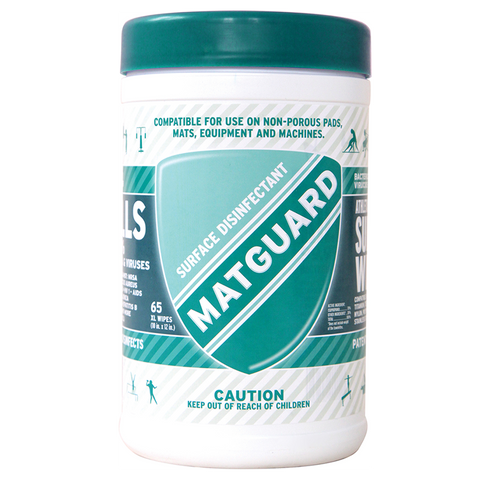
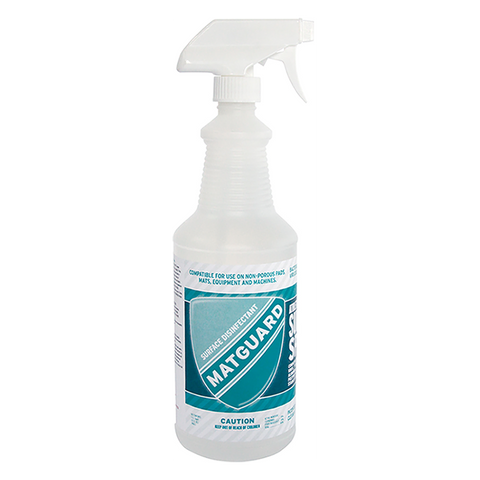
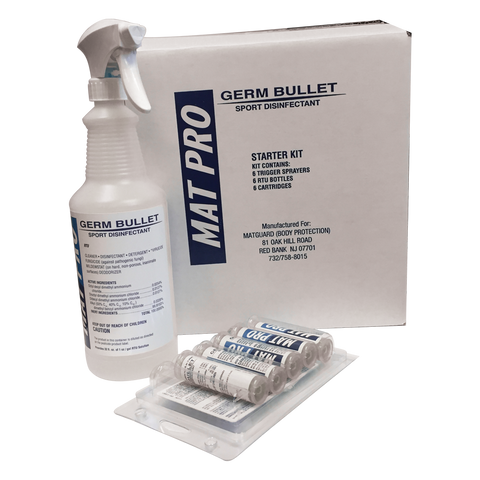
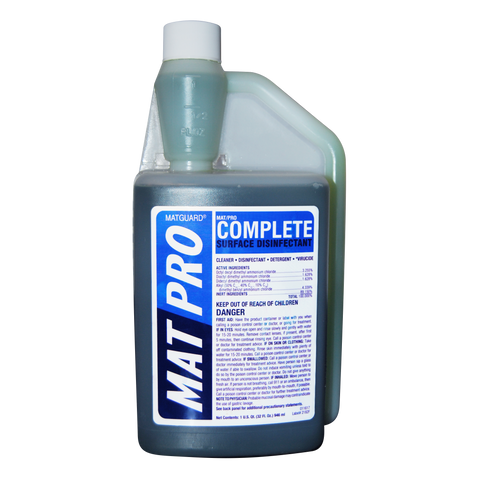
Want an easy post-practice routine? Stock antibacterial body wipes for athletes and disinfectant wipes/spray for gear touchpoints—then make it automatic.