

Turf Burn: A Guide
Turf burn is a painful abrasion that happens when your skin scrapes against artificial turf. The friction from turf blades and the rough backing layer can remove the top layer of skin almost instantly, leaving the area raw, exposed, and extremely sensitive. Because the upper skin layer is torn away rather than lightly scratched, turf burn tends to hurt far more than a typical scrape from natural grass or dirt.
Artificial turf also generates heat and friction much faster than natural surfaces, which is why turf burn can feel like your skin was dragged across sandpaper. And since turf fields often trap sweat, dirt, and bacteria, any open abrasion becomes more vulnerable to infection.
This is why disinfecting turf with TurfGuard Turf Disinfectant is essential for team training areas and shared fields.
What Does Turf Burn Look Like?
Turf burn has a very distinct appearance. Most athletes describe it as a raspberry-colored abrasion—bright red, raw, and visibly irritated. The texture often looks and feels like sandpaper, and depending on the severity, you may notice minor bleeding, clear fluid, or light oozing from the exposed skin.
Unlike a standard scrape, turf burn damages a wider, more uniform area of skin and tends to sting intensely for hours after the injury.
Symptoms of Turf Burn
Initial Pain and Tenderness
-
A sharp, intense sting immediately after the fall
-
Sensitivity when touched or when clothing rubs against it
Skin Appearance
-
Raw, bright pink or red abrasion
-
Possible mild swelling around the wound
Healing Time & What’s Normal
-
Most turf burns heal in 1–2 weeks
-
Pain decreases after the first few days but the area may stay tender until fully healed
Risks & Complications of Turf Burn
Infection Risk
Artificial turf is a hotspot for bacteria, especially in high-contact sports. Sweat, dirt, bodily fluids, and frequent foot traffic create the perfect environment for germs to thrive. When an open scrape like turf burn comes into contact with these bacteria, the risk of MRSA, staph, and other infections increases dramatically.
Bacteria can enter the body through even the smallest scrape, so keeping the wound clean is critical.
Coaches and athletic trainers use TurfGuard Turf Disinfectant to keep fields cleaner and reduce exposure to harmful bacteria.
When It May Need Medical Attention
Seek medical care if you notice:
-
Worsening redness
-
Increased pain after the wound was improving
-
Pus or cloudy discharge
-
Fever or chills
-
Swelling around the wound
-
Muscle or joint aches
These may be early signs of a bacterial infection and should not be ignored.
How to Treat Turf Burn at Home
Step 1 — Clean the Wound Thoroughly
-
Rinse with clean, lukewarm water
-
Remove debris, turf pellets, or dirt
-
Do NOT scrub—this can worsen the abrasion
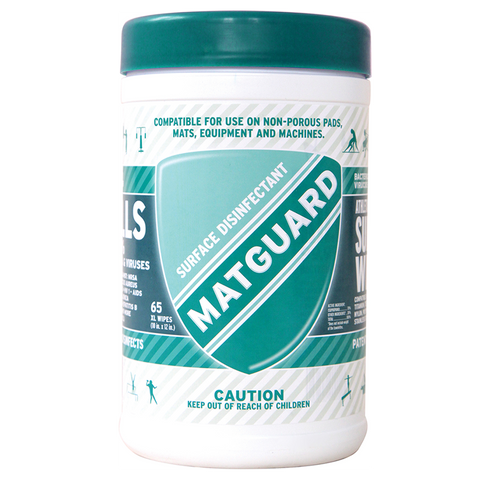
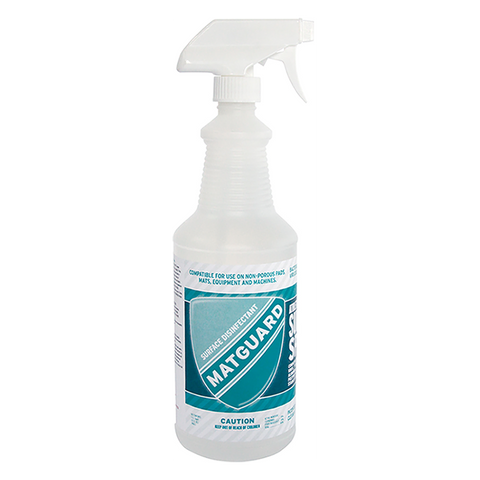
MATGUARD Body Wipes or Cleansing Spray can help gently clean the area when you’re not near a sink.
Step 2 — Control the Bleeding
-
Apply gentle pressure with a clean cloth or sterile pad
Step 3 — Apply an Antiseptic
-
Use aloe vera or antibiotic ointment
-
Apply a thin, even layer to protect the wound
Step 4 — Cover the Abrasion
-
Use a hydrogel dressing or a non-stick bandage
-
Change bandages daily
-
Keep the area moist and protected to speed healing
MATGUARD Body Wipes help maintain daily hygiene and stop sweat-related irritation while healing.
Step 5 — Monitor for Infection
-
Check the wound every day
-
If symptoms worsen or healing stalls, contact a doctor
How to Prevent Turf Burn
Wear Protective Clothing
-
Long sleeves, leggings, padded undershirts, or compression gear
-
Ideal for football, lacrosse, soccer, field hockey, and rugby
Keep Turf Surfaces Clean
Disinfecting shared turf dramatically lowers bacterial load, reducing the risk of infections caused by turf burns and other open scrapes.
TurfGuard Turf Disinfectant kills bacteria that thrive on artificial turf — ideal for schools, gyms, and training facilities.
Personal Hygiene After Practice
-
Shower as soon as possible
-
Use cleansing body wipes when showers aren’t available
-
Wash gear and uniforms regularly
MATGUARD Body Wipes and Spray help athletes clean sweat and bacteria off instantly after practice.
When You Can Return to Sports
Most athletes can return once:
-
The abrasion is fully closed
-
Pain significantly decreases
-
The wound can be covered without irritation
-
There's no risk of reopening the area during play
Healing skin is fragile. Rushing back too soon can tear the new skin layer and restart the entire healing process.
Consider using padded clothing or compression sleeves to protect the area during early practices.
Final Tips for Athletes
-
Keep the wound clean and covered
-
Avoid picking at scabs or dry skin
-
Maintain strict hygiene post-practice
-
Coaches: remind athletes to treat even minor turf burns to prevent infections
Simple habits go a long way in preventing complications and keeping athletes on the field, not on the sidelines.
Protect Yourself & Your Team
Turf burn is painful — infection is worse. Keep your players protected with clean turf and clean skin.
-
TurfGuard Turf Disinfectant — Sanitizes turf surfaces and reduces bacterial exposure
-
MATGUARD Body Wipes — Field-side cleaning for athletes
-
MATGUARD Spray — Disinfects gear, pads, and helmets