News RSS
Should You Wipe Down a Football Helmet After Every Practice?


Football helmets go through a lot over the course of a single practice. Sweat builds up inside the padding, dirt and grass can collect on the exterior, and the helmet is repeatedly touched while players put it on, take it off, adjust the chin strap, and move between drills. So, should you wipe down a football helmet after every practice? Yes, wiping down a football helmet after every practice is a good habit. That does not mean performing a complete deep cleaning every day. A quick post-practice wipe-down can focus on the areas that receive the most sweat and contact,...
What High School Coaches Should Know About Dirty Football Equipment


What High School Coaches Should Know About Dirty Football Equipment High school football equipment gets dirty fast. A single practice can leave helmets, shoulder pads, chin straps, gloves, blocking pads, and other gear covered in sweat, skin oils, dirt, grass, and grime. Multiply that across an entire roster practicing several days a week, and equipment hygiene can become a much bigger job than it first appears. For coaches, the concern goes beyond equipment that smells bad. Football involves close physical contact, shared spaces, sweaty gear, locker rooms, and equipment that may be used repeatedly without much time to dry. When...
Can Football Shoulder Pads Spread Bacteria?


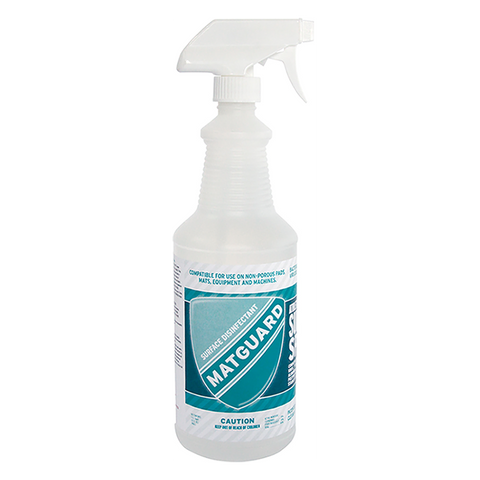
Can Shoulder Pads Carry Bacteria Between Players? Introduction Football shoulder pads take on a lot during the season. They collect sweat, skin oils, dirt, grass, turf particles, and general grime during practices and games. That does not mean shoulder pads automatically cause infections. But once equipment becomes contaminated, it can create another opportunity for bacteria to move between players, especially when gear is shared, reassigned, handled by multiple people, or stored while it is still damp. That is why regular cleaning, disinfection, and drying matter. Matguard disinfectant sprays can be worked into a simple football equipment routine without making the...
How to Clean Indoor Turf


Indoor turf takes on more than most people realize. Throughout the day, it collects sweat, dirt, dust, skin oils, spills, hair, tape, and debris from athletes, shoes, training equipment, and general facility traffic. These surfaces are common in training centers, school field houses, commercial gyms, batting facilities, football programs, indoor soccer centers, and multipurpose athletic spaces. In many of these facilities, athletes stretch, run drills, push sleds, complete floor exercises, and place their hands directly on the turf. Vacuuming or removing visible debris is important, but it does not address every cleaning concern. A complete indoor turf maintenance routine should...
Athletic Facility High-Touch Surfaces


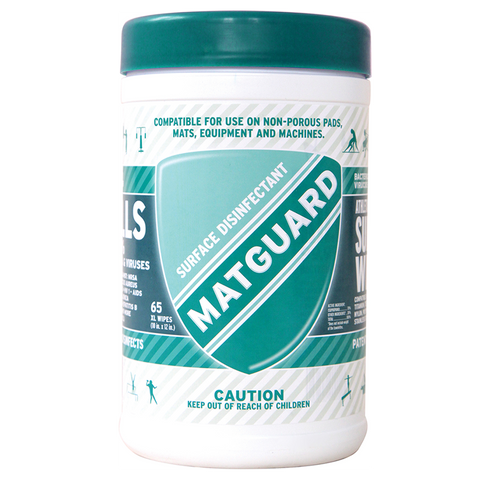
Athletes touch the same surfaces over and over throughout practices, games, workouts, and training sessions. Dumbbells, helmets, benches, locker handles, treatment tables, water fountains, and shared sports equipment all collect sweat, dirt, skin oils, and repeated hand contact throughout the day. No cleaning program can eliminate every germ from an athletic facility. Still, regularly cleaning and disinfecting high-touch surfaces can help reduce contamination and support a cleaner, healthier environment for athletes, coaches, trainers, and staff. Matguard disinfectant sprays and Matguard disinfectant wipes make it easier to disinfect frequently touched athletic surfaces as part of a daily cleaning routine. Quick Answer:...