News RSS
Heat Rash From Football Pads


Heat rash from football pads is a common skin issue that can sneak up on players, especially during intense practices and games. The combination of heavy padding, constant sweat, and repetitive friction creates the perfect storm for skin irritation. When sweat gets trapped under pads with no room to breathe, it clogs pores and leads to uncomfortable, itchy rashes. This guide will walk you through exactly what heat rash is, why it happens, how to treat it, and—most importantly—how to prevent it with the right hygiene habits and proper gear care. What Is Heat Rash? A Quick Overview Heat rash—also...
Common Football Skin Infections


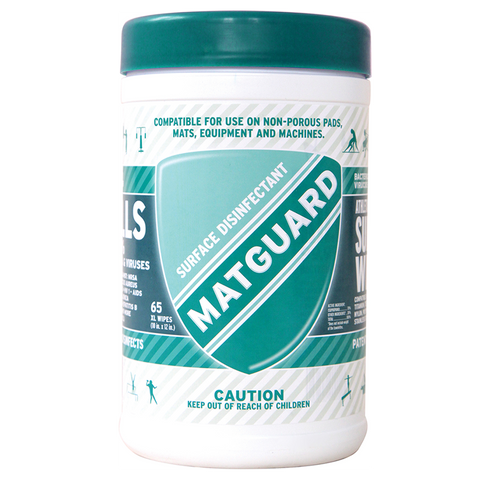
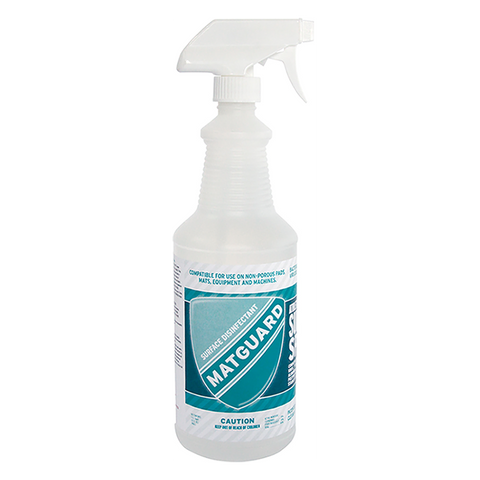
Football skin infections are more common than most people think. With nonstop physical contact, sweaty gear, and rough turf, football players are constantly exposed to germs that can cause serious skin problems. That’s why hygiene and proactive skin care are non-negotiable in contact sports. Keeping infections at bay protects performance, safety, and team morale. MATGUARD® offers athlete-safe disinfecting products—like Football Wipes and Sports Gear Spray—designed to prevent the spread of infections before they even start. Why Football Players Are at Risk High-Contact Nature of the Game From tackles to pile-ups, football is a full-contact sport. Skin-to-skin contact spreads bacteria, fungi,...
What Makes a Good Football Wipe?


Football gear goes through a lot—sweat, dirt, turf, and constant contact. And while it protects players during the game, it also becomes a hotbed for bacteria and germs if not cleaned regularly. Helmets, shoulder pads, and chin straps are some of the dirtiest parts of a football uniform. Without proper cleaning, they can lead to breakouts, skin irritation, and more serious infections like staph or MRSA. In this blog, we’ll break down exactly what makes a football wipe worth using. From its ingredients to its safety and convenience, here’s what to look for when choosing the right disinfectant wipe for...
How Warm Weather Fuels Football Bacteria


The Science Behind Bacterial Growth Warmth and Moisture: Why Bacteria Thrive in Hot, Damp Environments Bacteria love two things: heat and moisture. When temperatures rise—especially during late summer and early fall—it creates the perfect storm for bacterial growth. Add in a little humidity or dampness from sweat, and suddenly your gear, locker room, and even your skin become prime real estate for bacteria to multiply. Sweat, Dirt, and Contact: Football's Ideal Conditions for Bacteria Football is a high-contact sport where players are constantly sweating, diving into dirt, and sharing gear. That combination of body heat, sweat-soaked equipment, and repeated physical...
How Does MRSA Spread?


What Is MRSA? Definition and Meaning How does MRSA spread? It starts with understanding what MRSA actually is. MRSA stands for Methicillin-Resistant Staphylococcus Aureus, a type of bacteria that’s part of the larger staph family. While staph bacteria are commonly found on the skin or in the nose of healthy individuals, MRSA is different — it’s resistant to many antibiotics that are normally used to treat infections. This resistance makes MRSA particularly dangerous. Infections that would typically clear up with a short round of antibiotics can become much more serious and harder to treat. How Is It Different from Regular...