

When to Use Wipes vs Spray in Sports
Most teams don’t have a hygiene problem because they lack products. They have a wrong product, wrong use problem.
That’s where people get jammed up. They use the skin product on equipment, the equipment product on the wrong surface, or they expect one item to do everything.
Here’s the simple version:
-
Body wipes = for skin
-
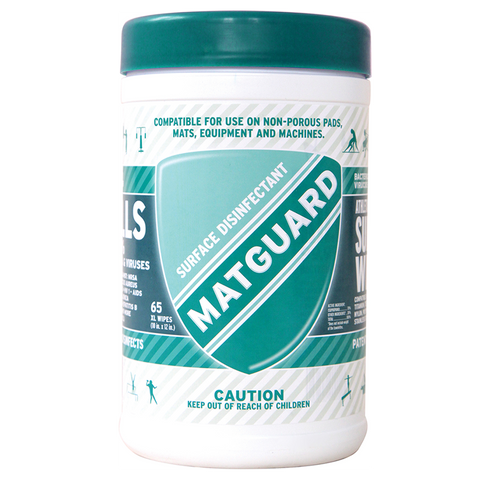
Surface wipes = for shared surfaces
-
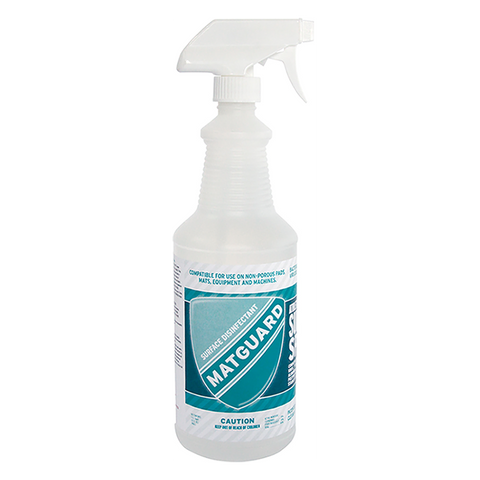
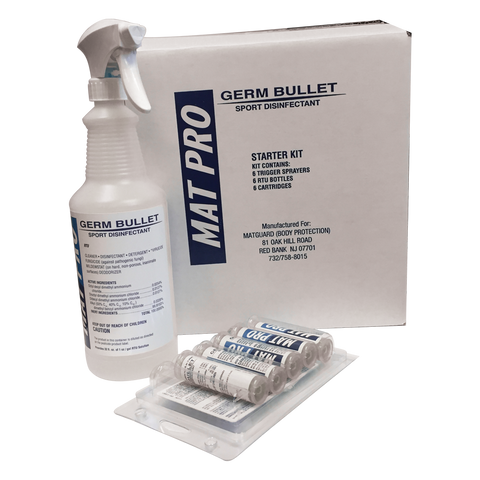
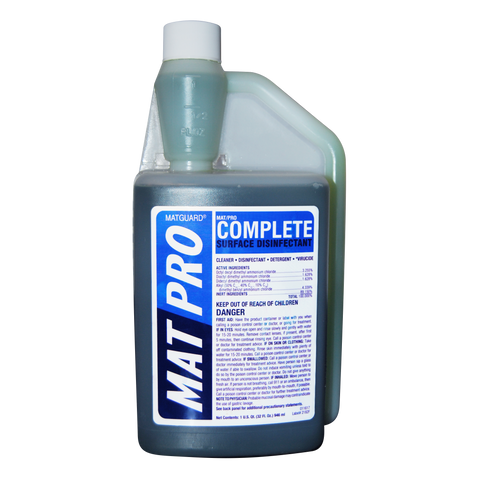
Disinfectant spray = for gear/equipment
This guide makes it easy with real sports examples: locker room, sideline, travel, post-practice, and gear room.
The Simple Rule
Body wipes = skin cleanup
Body wipes are for athlete cleanup after sweat and contact:
-
After games/practice
-
Between practices or when no shower is available
-
High-friction/sweat zones like the neck, arms, under pads, and legs
Think of body wipes as the “bridge” between practice and a real shower.
Surface wipes = fast cleaning on shared touchpoints
Surface wipes are best for high-touch shared spots:
-
Benches
-
Locker handles
-
Taping stations
-
Training tables
-
Counters
They’re ideal for quick wipe-downs between groups, sets, or sessions.
Disinfectant spray = gear and hard-to-wipe equipment areas
Spray is the better choice for sports gear and larger/awkward surfaces:
-
Helmets
-
Shoulder pads
-
Shin guards
-
Exterior of gloves/pads
-
Gear bags
If it has seams, curves, padding, or a shape that’s annoying to fully wipe, spray usually makes more sense.
Body Wipes: When to Use Them (And When Not To)
Best times to use body wipes
Body wipes are most useful when athletes need a quick cleanup but can’t shower immediately:
-
Right after practice or a game before the ride home
-
Between sessions (camp, tournaments, two-a-days)
-
Travel days when showers are delayed
This is where teams usually lose the routine. If the bag has wipes, cleanup actually happens.
Where on the body they make the most sense
Focus on the areas that get the most sweat and friction:
-
Hands and forearms
-
Neck and shoulders
-
Under pads/compression friction zones
-
Legs where turf burns or sweat buildup happen
What body wipes are not for
Body wipes are not a universal cleaner.
-
They are not for cleaning benches, helmets, or locker room surfaces
-
They are not a replacement for regular showers (they’re a bridge, not the full routine)
Keep body wipes in every player bag so post-practice cleanup actually happens, even when showers don’t.
Surface Wipes: When to Use Them
Best uses for surface wipes
Surface wipes are best for shared touchpoints people are constantly handling:
-
Locker room touchpoints
-
Taping stations
-
Training tables
-
Team benches and sideline surfaces
-
Shared counters and handles
They’re great when you need fast cleanup between users without pulling out a full cleaning setup.
Why wipes work well here
Surface wipes work because they’re:
-
Fast and grab-and-go
-
Easy for coaches, staff, and players to use consistently
-
Great for high-touch spots between groups
If you want something people will actually use in a busy environment, wipes are hard to beat.
What surface wipes are not ideal for
Wipes can do a lot, but they’re not the best tool for everything:
-
Large gear surfaces with seams and curves (slow and easy to miss spots)
-
Deep coverage on bulky equipment (spray is usually easier and faster)
Put surface wipes where traffic happens so they get used—locker room exits, taping stations, and equipment room doors.
Disinfectant Spray: When to Use It on Sports Gear
Best uses for disinfectant spray
Spray is usually the right move for gear cleaning routines:
-
Helmets
-
Shoulder pads
-
Shin guards
-
Exterior of gloves/pads
-
Gear bag interiors/exteriors
It’s especially helpful when the surface is large, shaped, padded, or hard to cover evenly with a wipe.
Why spray is the better option for gear
Spray works well on gear because it:
-
Covers larger areas faster
-
Reaches seams, edges, and awkward shapes more easily
-
Makes routine gear cleaning more realistic than trying to wipe every inch
What to watch out for
A few rules matter here:
-
Don’t over-soak padding or materials
-
Let it sit long enough to work (don’t spray and immediately use the gear)
-
Follow manufacturer directions for gear materials
Use disinfectant spray for gear cleaning routines and save wipes for quick touchpoints and between-use cleanup.
Real-World Sports Scenarios
After football practice, no shower before the ride home
-
Use: body wipes
-
Optional: surface wipes for phone and water bottle exterior
-
Later: shower + laundry
Cleaning a locker room bench between groups
-
Use: surface wipes
-
Not: body wipes
Cleaning a helmet and shoulder pads after practice
-
Use: disinfectant spray
-
Optional add-on: wipes for knobs, handles, and high-touch gear points
Travel tournament weekend
-
Body wipes for athlete cleanup
-
Surface wipes for shared touchpoints
-
Spray for gear at the end of the day
Common Mistakes
-
Using body wipes on equipment
-
Using one wipe for too many surfaces
-
Spraying gear and using it immediately
-
Keeping supplies in one hard-to-reach location
-
No restock plan, so everyone stops using the system
Build a Simple Team Routine
Player routine
-
Use body wipes after practice if no shower is available
-
Don’t share towels or bottles
Coach/trainer routine
-
Use surface wipes on shared touchpoints
-
Give quick reminders at the right times (not constant speeches)
Equipment manager routine
-
Use disinfectant spray on a gear cleaning cadence
-
Check dry time and restock supplies before they run out
Frequently Asked Questions
Can body wipes replace a shower?
No. Body wipes are a quick cleanup tool when showers aren’t available right away. They’re a bridge, not a full replacement.
Can surface wipes be used on helmets?
Surface wipes can help with certain high-touch exterior points, but spray is usually better for full helmet cleaning coverage.
Is spray better than wipes for gear?
Usually, yes. Spray is better for larger surfaces, seams, and awkward shapes. Wipes are better for quick touchpoints and shared flat surfaces.
What should teams keep in player bags vs training rooms?
Player bags: body wipes and personal hygiene items.
Training rooms/equipment areas: surface wipes and disinfectant spray for shared surfaces and gear routines.
How often should each be used?
-
Body wipes: after practice/games when no shower is immediate
-
Surface wipes: between users/groups on shared touchpoints
-
Spray: routine gear cleaning (daily/weekly cadence based on use)
Conclusion
Keep it simple: body wipes for skin, surface wipes for shared surfaces, and spray for gear.
The best hygiene system is the one your team will actually follow.