

What High School Coaches Should Know About Dirty Football Equipment
What High School Coaches Should Know About Dirty Football Equipment
High school football equipment gets dirty fast. A single practice can leave helmets, shoulder pads, chin straps, gloves, blocking pads, and other gear covered in sweat, skin oils, dirt, grass, and grime. Multiply that across an entire roster practicing several days a week, and equipment hygiene can become a much bigger job than it first appears.
For coaches, the concern goes beyond equipment that smells bad. Football involves close physical contact, shared spaces, sweaty gear, locker rooms, and equipment that may be used repeatedly without much time to dry. When cleaning is inconsistent, helmets and pads can become another place where unwanted buildup and microorganisms are allowed to accumulate.
The good news is that keeping football equipment cleaner does not require turning coaches into a full-time cleaning crew. What matters is having a repeatable system: identify the equipment that needs the most attention, clean it at the right times, let gear dry properly, and make disinfecting part of the normal practice routine.
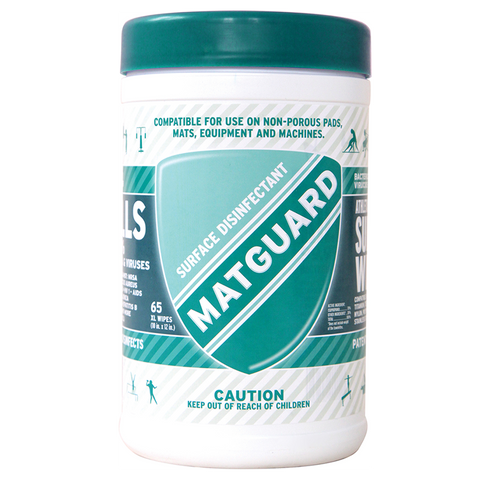
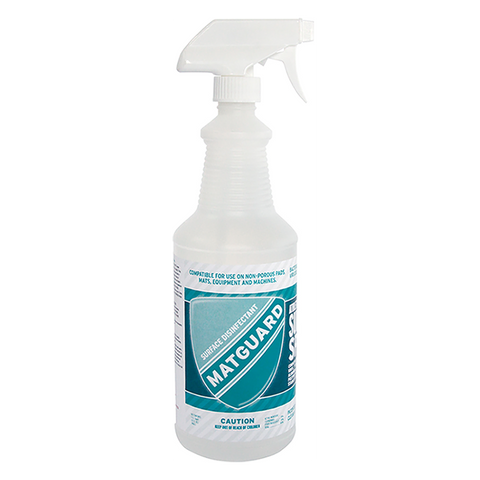
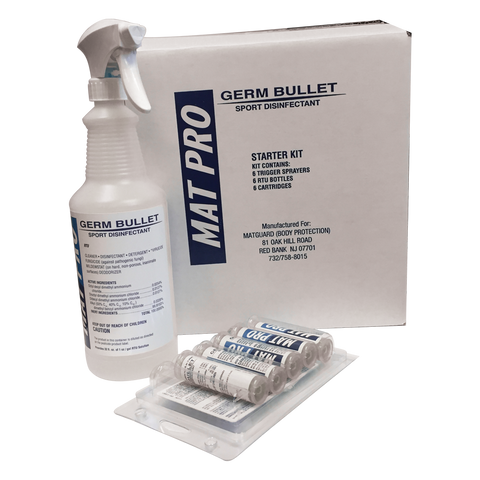
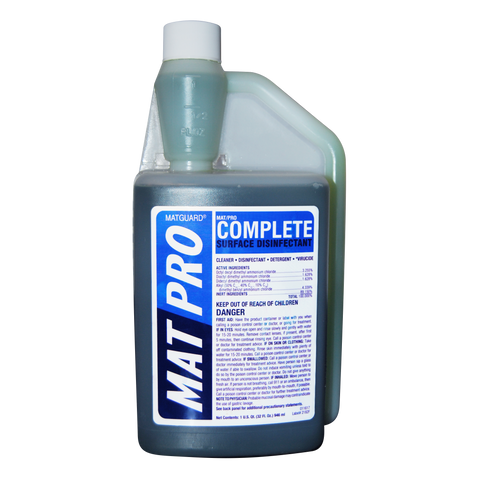
Matguard's helmet and pad disinfectants can help high school programs build that routine around the equipment players use every day.
Quick Answer: Why Should High School Football Equipment Be Disinfected?
Football equipment regularly comes into contact with sweat, skin, hands, dirt, and other players. Helmets and shoulder pads are particularly important because athletes wear them directly against the head, neck, shoulders, and upper body for long periods.
High school football programs should have a routine that includes:
-
Removing visible dirt and grime
-
Disinfecting helmets and protective pads regularly
-
Paying attention to chin straps and interior padding
-
Allowing wet equipment to dry completely
-
Cleaning shared equipment between users when practical
-
Keeping locker rooms and equipment storage areas clean
-
Inspecting equipment throughout the season
Coaches should not wait until gear smells or looks filthy before addressing it. Cleaning and disinfecting should be part of normal equipment management throughout the season.
Why Football Equipment Gets Dirty So Quickly
Players Sweat Directly Into Their Equipment
Football equipment is designed to stay securely against the athlete's body. That is important for protection, but it also means sweat can collect inside helmets and underneath shoulder pads during practice.
Helmet padding, chin straps, shoulder pad liners, and other contact areas can become damp after just one session.
During preseason practices and hot-weather workouts, the problem can become even more noticeable.
Football Involves Constant Physical Contact
Football is not a low-contact sport.
Players tackle, block, line up inches from each other, hit pads, fall onto turf or grass, and repeatedly touch their own equipment with their hands.
That means dirt and grime are not limited to one surface. They move across uniforms, gloves, helmets, pads, practice equipment, benches, locker rooms, and storage areas.
Equipment Is Used Several Days in a Row
A helmet may be worn Monday afternoon and then used again Tuesday without much downtime.
During busy portions of the season, teams may have practices, walkthroughs, games, film sessions, lifting, and equipment preparation happening within a tight schedule.
If sweaty equipment is thrown into a locker immediately after practice, it may not have enough airflow to dry properly before it is needed again.
Some Equipment Is Shared
While players generally have assigned helmets and shoulder pads, high school football programs also use plenty of shared equipment.
That can include:
-
Blocking pads
-
Tackling dummies
-
Sleds
-
Practice shields
-
Training equipment
-
Weight room equipment
-
Benches
-
Equipment carts
-
Certain backup or temporary equipment
Shared gear deserves its own cleaning routine because many athletes may handle it during a single practice.
The Football Equipment Coaches Should Pay the Most Attention To
Football Helmets
Helmets are an obvious priority.
Inside the helmet, padding comes into direct contact with the player's forehead, hair, scalp, and sweat. Players also constantly grab and adjust the shell, face mask, chin strap, and other components.
Coaches and equipment staff should pay attention to:
-
Interior padding
-
Chin straps
-
Jaw pads
-
Face masks
-
Exterior shells
-
Frequently touched hardware
Visible dirt should be removed before disinfecting. After that, use an appropriate football helmet disinfectant according to its label directions and the helmet manufacturer's care instructions.
Do not soak helmet padding or assume that stronger chemicals mean better cleaning. Protective equipment should always be maintained according to manufacturer guidance.
Shoulder Pads
Shoulder pads spend an entire practice against an athlete's upper body, often underneath a sweaty jersey.
Areas that deserve attention include:
-
Interior padding
-
Shoulder caps
-
Straps
-
Buckles
-
Chest padding
-
Frequently handled adjustment points
Matguard's helmet and pad disinfectants can be incorporated into the team's regular cleaning routine for compatible surfaces.
As with helmets, follow the disinfectant label and equipment manufacturer's care instructions.
Chin Straps
Chin straps are easy to overlook.
They also happen to sit directly against the player's face and are repeatedly touched whenever a helmet goes on or comes off.
Include chin straps whenever helmets are cleaned rather than treating them as a separate piece that gets forgotten.
Blocking Pads and Tackling Dummies
Think about how many players hit the same blocking pad during one drill.
These surfaces receive repeated contact from hands, arms, shoulders, helmets, jerseys, and gloves. They can quickly accumulate sweat and grime.
Wipe down frequently used blocking pads, tackling dummies, and practice shields as part of the team's post-practice routine.
Gloves and Other Personal Gear
Football gloves become sweaty and dirty quickly, but coaches should be careful about applying products without checking manufacturer care instructions.
Some soft goods may be washable, while others have specific cleaning requirements.
Players should also be encouraged to regularly clean personal items rather than leaving sweaty gloves and clothing inside their lockers or bags.
Dirty Equipment and Skin Infection Concerns
High school football combines several conditions that make good hygiene particularly important: close physical contact, sweating, shared spaces, occasional cuts and abrasions, and repeated use of athletic equipment.
Bacteria and fungi can contaminate surfaces, including athletic equipment. A dirty helmet or shoulder pad does not automatically mean an athlete will develop an infection, but poorly maintained gear adds another potential point of exposure.
That is why equipment cleaning should be part of a larger hygiene strategy rather than treated as the only solution.
Teams should also encourage players to:
-
Shower after practices and games
-
Keep cuts and abrasions properly covered
-
Avoid sharing towels and personal items
-
Wear clean practice clothing
-
Report suspicious skin problems
-
Keep lockers and equipment bags clean
-
Avoid practicing with potentially contagious conditions until properly evaluated
Coaches are not expected to diagnose skin infections. If a player develops a concerning rash, lesion, wound, or other skin problem, the appropriate medical or athletic training professional should evaluate it.
The Problem With Wet Football Equipment
Sweat is not just an odor problem.
When a helmet or set of shoulder pads stays damp for hours, the moisture remains trapped against padding, straps, and other materials.
One of the simplest improvements a football program can make is giving equipment an opportunity to dry.
Do Not Immediately Seal Sweaty Gear Away
After practice, players should not pile wet gear into closed bags or leave everything packed tightly together when it can be avoided.
Equipment needs airflow.
Improve Locker Room Airflow
Facilities should evaluate whether helmets and pads actually have enough room and ventilation to dry between practices.
Gear packed tightly into small lockers may stay damp longer.
Do Not Confuse Drying With Disinfecting
Drying equipment is important, but it does not replace cleaning and disinfecting.
Likewise, spraying a dirty piece of equipment with disinfectant does not replace removing heavy dirt and grime first.
A good routine incorporates both.
How to Disinfect Football Helmets and Pads
Step 1: Inspect the Equipment
Before cleaning, look for:
-
Cracks
-
Loose components
-
Damaged padding
-
Broken straps
-
Missing hardware
-
Unusual wear
-
Other visible damage
Cleaning does not repair compromised protective equipment. Follow the manufacturer's inspection and reconditioning requirements where applicable.
Step 2: Remove Visible Dirt
Remove mud, grass, dust, and other visible debris before disinfecting.
Use cleaning methods and materials appropriate for the specific piece of equipment.
Pay particular attention to crevices and high-contact areas where grime accumulates.
Step 3: Disinfect High-Contact Surfaces
Apply Matguard helmet and pad disinfectant according to the product label.
For helmets, focus on appropriate high-contact areas such as interior padding and frequently touched components.
For shoulder pads, address compatible interior and exterior surfaces that receive sweat and body contact.
Never mix disinfectants or add other chemicals unless specifically directed by the product manufacturer.
Step 4: Follow the Contact Time
Disinfectants need the proper contact time to work as directed.
Coaches and equipment staff should read the product label rather than assuming a quick spray and immediate wipe is sufficient.
Build the required contact time into the cleaning routine.
Step 5: Let Equipment Dry
Allow helmets and pads to dry before they are stored or used again.
Whenever possible, place equipment where there is adequate airflow rather than immediately returning damp gear to a closed locker or equipment bag.
How Often Should High School Football Equipment Be Cleaned?
There is no single schedule that works for every program. Cleaning frequency depends on how often equipment is used, whether it is shared, weather conditions, facility setup, and the type of equipment involved.
After Every Practice
Coaches should encourage players and staff to address heavily used and sweaty equipment after practice.
At minimum:
-
Remove obvious dirt
-
Address heavily soiled areas
-
Disinfect according to the team's established schedule
-
Allow equipment to dry
-
Keep wet gear out of sealed bags
High-contact items may need more frequent attention.
After Games
Games can leave equipment covered in significantly more sweat, turf debris, grass, mud, and grime than an ordinary practice.
Post-game equipment care should not be pushed off until the next practice.
During Two-a-Days, Camps, and Preseason
Preseason can be one of the hardest periods for equipment hygiene.
Players sweat heavily, practices may occur frequently, and equipment gets little downtime.
Increase cleaning and drying attention during these periods.
When Equipment Is Shared
Shared equipment should be cleaned and disinfected more frequently, particularly when several athletes use it consecutively.
Coaches Need a System, Not Another Chore
One of the biggest mistakes a football program can make is having no clear responsibility for equipment hygiene.
If everyone assumes somebody else is cleaning the equipment, it may not happen consistently.
Decide Who Is Responsible
Depending on the program, responsibility might involve:
-
Coaches
-
Equipment managers
-
Athletic trainers
-
Facility staff
-
Student managers
-
Players
Different people can handle different parts of the process.
Create a Post-Practice Routine
A basic routine could look like this:
-
Players return equipment to the designated area.
-
Obvious dirt and debris are addressed.
-
Helmets and pads are disinfected according to the program's schedule.
-
Shared practice equipment is wiped down.
-
Equipment is placed where it can dry.
-
Damaged gear is separated for inspection.
The easier the process is to repeat, the more likely it is to happen.
Keep Supplies Where They Are Needed
If the disinfectant is locked in a supply closet on the opposite side of the school, coaches are less likely to use it consistently.
Keep approved helmet and pad cleaning supplies accessible to the staff members responsible for equipment care.
Don't Forget the Locker Room
Cleaning football equipment while ignoring the surrounding environment leaves a major gap.
Locker rooms contain many high-touch surfaces, including:
-
Locker handles
-
Benches
-
Door handles
-
Equipment racks
-
Light switches
-
Sink handles
-
Shower areas
-
Training tables
-
Storage shelves
-
Equipment carts
These areas should be included in the school's overall cleaning plan.
Coaches should also pay attention to how players use the locker room. Wet towels on benches, dirty uniforms on the floor, and sweaty equipment piled together make it harder to maintain a clean space.
Equipment hygiene works best when it is supported by good locker room habits.
What About the Weight Room?
Football players often move directly between the field, locker room, and weight room.
That creates another set of shared high-touch surfaces:
-
Dumbbells
-
Barbells
-
Weight benches
-
Machine handles
-
Cable attachments
-
Pull-up bars
-
Medicine balls
-
Resistance equipment
Weight room equipment should have its own cleaning routine rather than being lumped into an occasional facility deep clean.
Players should know what they are expected to wipe down after use, and staff should make sure supplies are readily available.
Common Football Equipment Cleaning Mistakes
Waiting Until Equipment Smells
Odor should not be the trigger for cleaning.
By the time equipment develops a strong smell, sweat and grime may have been accumulating for days.
Only Cleaning the Helmet Shell
A shiny exterior does not mean the helmet is clean.
Interior padding, jaw pads, chin straps, and other high-contact areas deserve attention too.
Spraying and Immediately Wiping
If a disinfectant requires a specific contact time, wiping it off immediately may prevent it from working as directed.
Read the label.
Oversaturating Equipment
More disinfectant is not necessarily better.
Apply products according to label instructions and avoid soaking helmet or pad materials.
Putting Wet Equipment Into Lockers
Clean equipment still needs to dry.
Provide enough airflow whenever possible before storing gear.
Using Whatever Cleaner Is Nearby
Protective sports equipment is not the place to experiment with harsh household chemicals.
Use products appropriate for the intended surface and follow both product and equipment manufacturer directions.
Forgetting Shared Practice Equipment
Helmets and shoulder pads get most of the attention, but blocking pads, dummies, sled components, carts, benches, and training equipment are touched repeatedly too.
A Simple Football Equipment Cleaning Checklist for Coaches
After Practice
-
Remove obvious dirt and debris.
-
Address heavily soiled helmets and pads.
-
Disinfect equipment according to the team's routine.
-
Clean frequently used shared practice equipment.
-
Let wet gear dry.
-
Separate damaged equipment for inspection.
After Games
-
Inspect helmets and pads.
-
Remove turf, grass, mud, and debris.
-
Clean and disinfect appropriate surfaces.
-
Clean shared sideline and practice equipment.
-
Allow gear to dry before long-term storage.
Weekly
-
Review helmets and pads for buildup.
-
Check locker and storage areas.
-
Clean equipment racks and carts.
-
Inspect shared equipment.
-
Restock helmet and pad disinfectant.
-
Confirm that players understand the team's equipment hygiene expectations.
Throughout the Season
-
Adjust cleaning frequency during hot weather.
-
Increase attention during camps and two-a-days.
-
Replace or service damaged equipment as appropriate.
-
Review procedures if skin infections are reported within the team.
-
Keep cleaning responsibilities clear.
What Athletic Directors Should Consider
Equipment hygiene should not depend entirely on whether an individual coach happens to prioritize it.
Athletic departments can establish consistent expectations across football and other sports.
That may include:
-
Approved disinfectant products
-
Written equipment-cleaning procedures
-
Staff responsibilities
-
Supply purchasing and restocking
-
Locker room cleaning coordination
-
Procedures for shared equipment
-
Training for coaches and equipment personnel
-
Response procedures when contagious skin conditions are suspected
A department-wide approach also makes purchasing easier. Instead of each program using whatever product happens to be available, schools can standardize equipment-care supplies and procedures.
Why Consistency Matters More Than Occasional Deep Cleaning
A major end-of-season cleaning is useful, but it cannot replace what happens during the season.
Football equipment gets dirty every day it is used.
Small, repeatable habits are more manageable than allowing weeks of sweat and grime to accumulate and then trying to fix everything at once.
Consistent equipment care can help:
-
Reduce dirt and buildup
-
Control odors
-
Keep shared equipment cleaner
-
Make equipment easier to maintain
-
Improve the locker room experience
-
Make end-of-season cleaning easier
Most importantly, a consistent routine gives everyone a clear expectation for what happens to equipment after it comes off the field.
Frequently Asked Questions About Dirty Football Equipment
How Often Should Football Helmets Be Disinfected?
Football helmets should be cleaned and disinfected regularly based on use, sweat, sharing, and manufacturer guidance. During frequent practices, camps, and hot weather, equipment may require more attention. Always follow the disinfectant label and helmet manufacturer's instructions.
Should Football Shoulder Pads Be Disinfected?
Yes, compatible shoulder pad surfaces can be disinfected as part of a regular equipment-care routine. Interior padding, straps, and other areas exposed to sweat deserve particular attention. Follow the equipment manufacturer's cleaning guidance.
Can Dirty Football Equipment Spread Skin Infections?
Contaminated athletic equipment can provide an opportunity for certain microorganisms to transfer between people or surfaces. Equipment hygiene should be combined with showering, clean clothing, covered wounds, good hand hygiene, and appropriate management of suspected skin infections.
Why Do Football Pads Smell So Bad?
Sweat, skin oils, moisture, and other organic buildup can accumulate on football pads. If equipment stays damp or is stored without enough airflow, odors can become stronger.
Should Players Take Their Football Equipment Home to Clean It?
That depends on the school's equipment policy. Some programs may want cleaning handled through a controlled team process so approved products and procedures are used consistently.
Can You Spray Disinfectant Inside a Football Helmet?
Use only a disinfectant appropriate for the intended helmet surfaces and follow both the disinfectant label and helmet manufacturer's instructions. Avoid oversaturating padding or using harsh chemicals simply because they are available.
Should Blocking Pads and Tackling Dummies Be Disinfected?
Shared practice equipment should be part of the team's cleaning program. Blocking pads, tackling dummies, shields, and similar equipment receive repeated contact from many athletes and should not be overlooked.
What Is the Best Way to Keep Football Equipment From Smelling?
Remove dirt and sweat regularly, disinfect appropriate surfaces, and give equipment enough airflow to dry completely. Do not leave wet helmets, pads, gloves, and uniforms packed together in closed bags or lockers.
Conclusion
Dirty football equipment is unavoidable. Letting it stay dirty does not have to be.
High school football puts helmets, shoulder pads, chin straps, blocking pads, and training equipment through repeated sweat, dirt, physical contact, and heavy use. Coaches need a practical system that keeps equipment care from becoming an afterthought.
Remove visible grime, disinfect appropriate helmet and pad surfaces, follow product contact times, let equipment dry, clean shared gear, and make those steps part of the team's regular routine.
Explore Matguard helmet and pad disinfectant wipes as well as our disinfectant sprays today.