

Staph Infection and Football Guide
Staph infection and football are a bad combo because this sport mixes constant contact with sweaty gear and a lot of small skin breaks. Staph is a common bacteria that can live on skin without causing problems, but football makes it easier for it to get into cuts and spread through a team fast. This guide will show you what to look for early, how to stop it from spreading, how to clean gear the right way, and how to keep players on the field safely. This isn’t medical advice—if a sore looks suspicious or is getting worse, get it evaluated.
What Staph Means in Football (And Why It Spreads Fast)
Staph vs. MRSA (simple definitions)
Staph is short for Staphylococcus aureus, a bacteria a lot of people carry on their skin or in their nose. Most of the time it’s harmless—until it gets into the body through a cut, scrape, turf burn, or irritated skin. Then it can turn into a skin infection that spreads quickly if it’s ignored.
MRSA is still staph. It’s not a different “thing,” and it’s not a reason to panic—it’s a version of staph that’s resistant to certain antibiotics, which can make it harder to treat if you wait too long.
The dangerous part is how often it starts. A staph infection can look like “just a pimple” at first. In football, that assumption can cost you because players keep practicing, it rubs under pads, and it can go from small bump to draining sore fast.
Why football is higher risk
Football is built on skin-to-skin contact. Tackles, blocks, pile-ups, and constant grabbing create tons of chances for bacteria to transfer.
Then you’ve got the real entry points: turf burns, abrasions, blisters, and shaving nicks. Those tiny breaks in the skin are basically open doors. If bacteria gets in, it has what it needs to start an infection.
Finally, the environment does you no favors. Heat and sweat stay trapped under pads. Gear is tight and rubs skin. Locker rooms and training areas are high-touch. If cleaning and hygiene aren’t consistent, a team can start passing problems around without realizing it.
Where infections show up most
You’ll usually see staph where football beats up the skin the most.
Elbows, knees, shins, and forearms are common because they hit turf, get scraped, and take contact.
Under shoulder pads and compression gear is another hotspot because friction and sweat break skin down and keep it irritated.
Hands and fingers matter too—players are taping, gripping, touching equipment, grabbing jerseys, and hitting shared surfaces all day. Small cracks or cuts around fingers are easy entry points.
If players can’t shower right after practice, antibacterial body wipes are a practical bridge before the car ride home or the next class.
How Staph Spreads on a Football Team
Direct contact
The obvious spread is direct contact: tackling, blocking, pile-ups—football stuff. If one player has an uncovered sore or an infection that’s actively draining, it can spread to teammates through skin contact.
The other big issue is “played through it” injuries. A player ignores a sore, keeps practicing, it gets rubbed raw under gear, and now the risk goes up for everyone around them.
Indirect contact (shared items and surfaces)
Staph doesn’t need direct contact to move. Shared items can do it too.
Towels, razors, bar soap, and roller sticks are classic problems. Anything that touches skin and gets reused is a risk.
Then there are the team surfaces: benches, lockers, taping stations, training tables, and shared pads. These are high-touch zones that can turn into a chain of spread if cleaning is inconsistent.
The hidden spreaders
Most outbreaks don’t start with something dramatic. They start with one “small bump” that gets ignored until it becomes painful and draining.
They also spread when bandages don’t stay on. If a wrap falls off mid-practice, that’s not protection—it’s a false sense of security.
And players often don’t report early because they don’t want to miss reps, lose a starting spot, or look soft. That’s why teams need a culture where reporting skin issues is normal and expected.
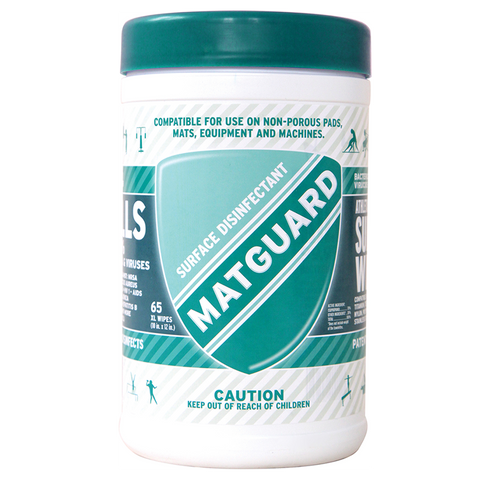
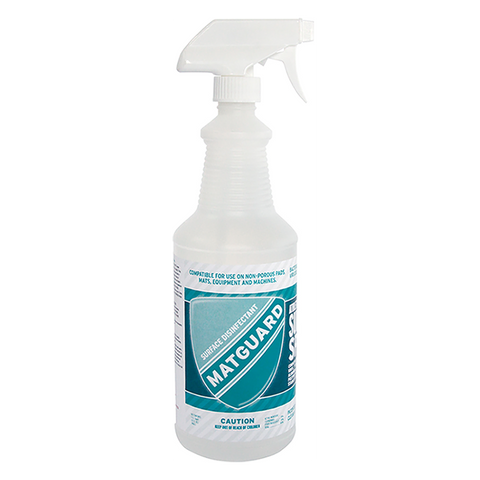
Put disinfectant wipes and spray by the equipment room door so pads and helmets get cleaned before they go back on the rack.
What Staph Looks Like (So You Catch It Early)
Early signs
Early staph often starts as a red bump that’s tender, warm, and swollen. It might feel like a deep, painful knot instead of a surface-level scratch.
That “deeper than it should be” pain is a common clue something isn’t normal.
When it’s urgent
Treat it as urgent if you see spreading redness, pus or drainage, fever, or pain that’s getting worse instead of better. Those are signs it’s moving in the wrong direction and needs real attention.
Look-alikes in football
A lot of things on a football player can look similar at first: ingrown hairs, insect bites, turf rash, friction blisters.
The difference is the trend. If it’s getting worse quickly—bigger, hotter, more painful, more swollen—that’s a red flag.
What not to do
Don’t squeeze it or try to “pop” it. That can make it worse and spread bacteria.
Don’t share ointments or balms (even if everyone on the team uses the same jar). That’s an easy way to pass bacteria around.
And don’t tape over a draining wound and pretend it’s handled. If it’s draining, it needs to be evaluated and managed correctly—not just covered and ignored.
staph infection and football can turn into a team problem fast if you don’t treat it like a process: spot it early, isolate the risk, clean correctly, and follow clear return-to-play rules.
What To Do If You Suspect Staph (Player, Parent, Coach)
Same-day steps
If a player has a suspicious bump, sore, or rash that’s getting worse, treat it seriously the same day.
First, pull them from contact until they’re evaluated. This isn’t punishment—it’s prevention. Most spread happens when someone tries to “tough it out” during practices and games.
Second, cover it with a clean, dry bandage that will actually stay on. If the bandage won’t hold during practice, that’s a sign the player shouldn’t be participating yet.
Third, notify the athletic trainer or a medical provider. Don’t wait for it to “declare itself.” Early evaluation is the difference between a small issue and a locker-room outbreak.
What a medical visit may involve
A clinician may take a culture, which is basically a sample to confirm what’s causing the infection. Cultures matter because they reduce guessing and help guide the right treatment.
Antibiotics might be recommended if needed, but that decision should come from the provider based on how it looks and how it’s progressing.
Early treatment prevents bigger outbreaks because it shortens the window where the infection can spread through contact, shared spaces, and reused gear.
Protecting the rest of the team
While one player is being evaluated, the team should tighten basics immediately.
Separate towels and laundry. No shared towels, no “borrowed” compression shirt, no mixing clean and dirty gear in one pile.
Sanitize high-touch areas that day: benches, locker handles, taping stations, training tables, shared rehab tools, and any loaner equipment.
Also, keep an eye on teammates for similar symptoms. If multiple players have “mystery bumps” in the same week, assume your hygiene system needs a reset.
Return-to-Play Rules That Keep Everyone Safe
The simple rule
No participation if it’s draining or can’t be fully covered. If it can leak, spread, or the bandage won’t stay on, it’s not safe for the player or the team.
Clearance workflow
Start with a trainer evaluation. They’ll help determine whether it can be safely covered and whether a medical visit is needed.
Get clinician sign-off when your program requires it, especially if it’s suspected staph/MRSA or if symptoms are worsening.
Keep basic documentation. Nothing complicated—just enough to track what happened, what steps were taken, and when clearance occurred. This keeps programs consistent and protects everyone if questions come up later.
Coaching it the right way
The best teams build a “report early” culture. No shame, no punishment, no jokes. Players won’t speak up if they think it’s going to cost them socially.
Coaches should do quiet check-ins and enforce consistent rules for everyone. Consistency is what keeps this from becoming a mess.
Prevention That Works (Player Habits)
Hygiene basics
Shower ASAP when possible. If you can’t shower right away, clean up as soon as you can and don’t stay in sweaty gear longer than necessary.
Wash hands often. Football touches everything—weights, lockers, tape, turf, benches.
Keep nails short. It sounds small, but it reduces skin breaks and bacteria buildup.
Don’t share soap, towels, or razors. Ever. That includes “it’s just once” situations.
Wound care that actually holds up in football
If you’ve got a cut, turf burn, or blister, treat it like a real injury.
Clean it, dry it, bandage it. Replace the bandage if it’s sweaty, peeling, or dirty.
And cover turf burns like wounds, because they are. Turf burn is one of the easiest ways bacteria gets in.
Laundry and gear habits
Wash practice clothes after every use. Not every other day. Not “when they smell.”
Don’t re-wear compression gear. It holds sweat against the skin and can irritate areas under pads.
Air out gear immediately. Damp gear sitting in a closed bag overnight is a perfect environment for problems.
Bag protocol (simple system)
Keep clean and dirty items separate. Use a cheap laundry bag inside the main bag if needed.
Carry a small kit: wipes, bandages, extra tape, and a few small trash bags for dirty items or used bandages.
Prevention That Works (Team/Coach/Equipment Manager Protocols)
Daily facility checklist
Benches, lockers, handles, and taping stations are high-touch zones. If your cleaning is inconsistent here, you’re basically rolling dice.
Training tables and shared rehab tools need daily cleaning too, and ideally between athletes when the schedule allows.
Equipment cleaning cadence
Helmets, shoulder pads, rib pads, chin straps, and gloves need a real cadence—not a random “we’ll do it later” approach.
A simple structure works:
-
After each use: shared or high-skin-contact items (especially chin straps and loaner gear)
-
Daily: touchpoint gear areas and equipment room surfaces
-
Weekly: deeper cleaning of pads/helmets and storage racks
Dry time matters. Don’t stack damp gear back on the rack. Cleaning without drying is one of the most common mistakes.
Shared towel policy
Personal towels only. No shared team towel pile, no “grab whatever is left.” This is a basic rule that prevents a lot of spread.
Practice structure to reduce skin trauma
Manage turf burn risk. If players are constantly getting scraped up, you’re increasing entry points.
Limit unnecessary contact reps when possible. You can still build toughness and technique without adding extra pile-up reps that create avoidable risk.
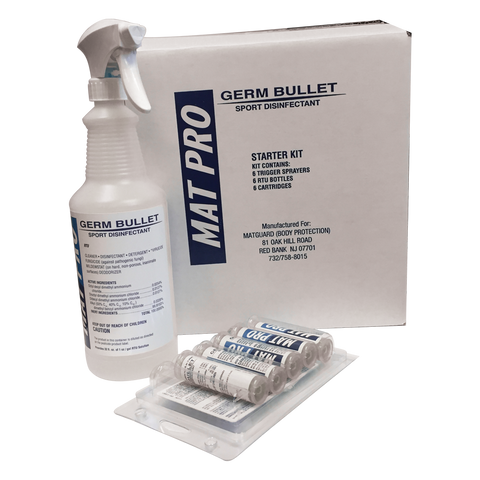
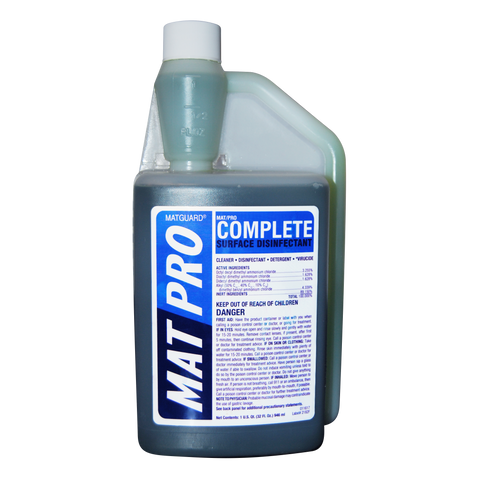
Put disinfectant wipes where the work happens, and use disinfectant spray for larger surfaces and hard-to-wipe gear.
Outbreak Response Plan (If Multiple Players Get Skin Infections)
Rapid containment
Track lesions and remove affected players from contact. If it’s draining or not coverable, they’re out until evaluated.
Tighten wound coverage enforcement immediately. No exceptions, no “he’s fine.”
Make short-term changes: no shared items, stricter sanitation, and a quick reset of how towels, laundry, and equipment are handled.
Deep cleaning priorities
Prioritize what gets touched and reused:
-
Shared pads and loaner gear
-
Training room and locker room touchpoints
-
Team transport touchpoints like bus seats and handles
Communication template (parents + players)
What to say: you’ve seen multiple skin infections, you’re increasing cleaning protocols, you’re reinforcing hygiene and wound coverage rules, and here’s what families should watch for.
What not to do: panic messaging, blame, or naming individuals. That drives it underground and makes reporting worse.
When to involve school administration/public health
If cases increase or spread continues, involve administration and follow your organization’s protocol.
Document dates, actions taken, and clearances. It keeps everyone aligned and proves the program responded responsibly.
Football-Specific Risk Zones You Should Not Ignore
Turf burns and abrasions
They’re high risk because they’re open doors. They also get rubbed by pads and uniforms, which keeps them irritated.
Cover them properly for practice with clean dressings that stay on. If it won’t hold, that’s a red flag.
Shaving policies
Micro-cuts increase risk. Shaving right before practice is especially bad because you’re creating tiny openings and then sweating under gear.
Safer alternatives: trimming instead of shaving, and avoiding shaving in high-friction areas during the season when possible.
Camp/two-a-days
Sweat plus pads plus frequency is when teams get in trouble.
You need extra cleaning, extra dry time, and extra skin checks during camp weeks—because the load is higher.
Travel games
Shared hotel spaces and laundry constraints increase risk.
Have a portable hygiene plan: clean/dirty separation, quick wipe-down habits, and a system for keeping damp gear from sitting sealed up for hours.
FAQ
Can you play football with a staph infection?
Not if it’s draining or can’t be fully covered. If there’s an active infection, the safest move is evaluation and a clear return-to-play plan.
Is staph always MRSA?
No. MRSA is a type of staph that’s resistant to certain antibiotics. Staph infections aren’t automatically MRSA.
How long does staph last?
It depends on severity and treatment. Some improve quickly, others take longer. The key is early evaluation when it’s worsening.
Can you catch staph from football gear?
Yes. Gear, shared equipment, and surfaces can contribute if they’re contaminated and not cleaned and dried consistently—especially when players have cuts or turf burns.
What’s the safest way to clean pads/helmets?
Use a consistent routine: clean high-contact areas, disinfect appropriately, and allow full dry time before storage or reuse.
What should parents watch for at home?
A red bump that gets bigger, warmer, more painful, or starts draining. Also watch for spreading redness or fever—those are reasons to get checked quickly.