

Can Football Shoulder Pads Spread Bacteria?
Can Shoulder Pads Carry Bacteria Between Players?
Introduction
Football shoulder pads take on a lot during the season. They collect sweat, skin oils, dirt, grass, turf particles, and general grime during practices and games.
That does not mean shoulder pads automatically cause infections. But once equipment becomes contaminated, it can create another opportunity for bacteria to move between players, especially when gear is shared, reassigned, handled by multiple people, or stored while it is still damp.
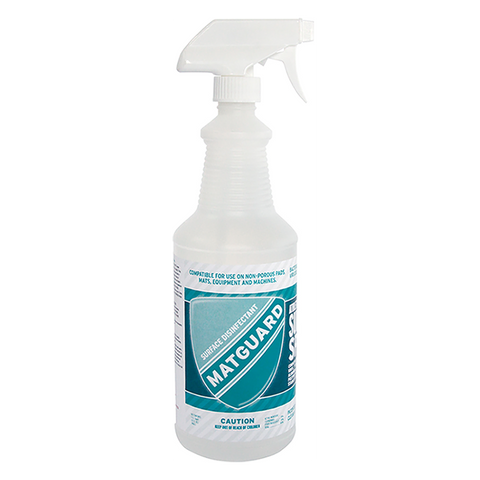
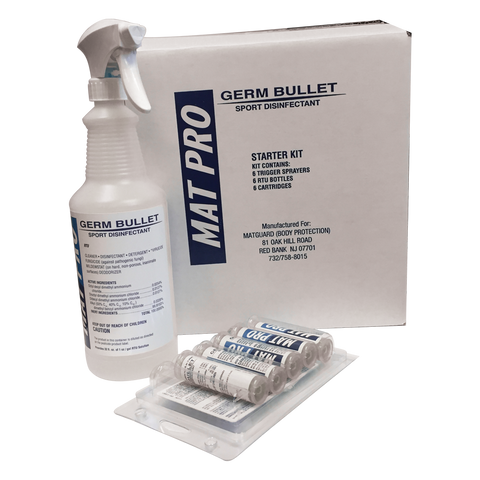
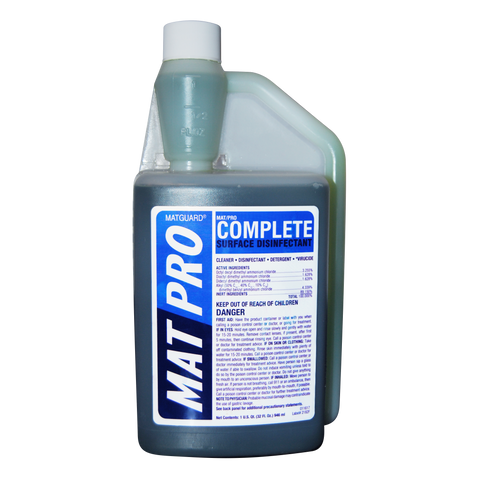
That is why regular cleaning, disinfection, and drying matter. Matguard disinfectant sprays can be worked into a simple football equipment routine without making the process overly complicated.
Quick Answer: Can Shoulder Pads Carry Bacteria Between Players?
Yes. Bacteria can contaminate athletic equipment surfaces, including football shoulder pads.
Transfer can happen through direct body contact, shared gear, dirty hands, nearby locker-room surfaces, and equipment that moves from one player to another.
Regular cleaning, proper disinfection, and thorough drying can help reduce surface contamination. The key is consistency. Coaches and equipment staff should not wait until pads look filthy or smell bad before cleaning them.
How Shoulder Pads Become Contaminated
Sweat and Skin Contact
The inside of shoulder pads sits close to the body for long stretches of time.
During hot practices, games, camps, and two-a-days, sweat can build up quickly around the chest, back, shoulders, and neck area. That moisture mixes with skin oils and other buildup on the interior padding.
Hands and Shared Contact
Players touch their pads constantly.
They grab straps, adjust buckles, lift the shoulder caps, carry the pads, and handle them while getting dressed or undressed. Coaches, equipment managers, and other athletes may handle them too.
That repeated contact creates more opportunities for dirt and bacteria to move onto high-touch areas.
Dirt and Locker Room Surfaces
Shoulder pads also pick up grime from the environment around them.
Common sources include:
-
Turf
-
Grass
-
Dust
-
Benches
-
Storage shelves
-
Equipment carts
-
Locker-room floors
Even if the interior gets most of the sweat, the exterior can still collect plenty of buildup over the course of a season.
Are Shared Shoulder Pads a Bigger Concern?
Shared or reassigned shoulder pads create more opportunities for contact between different players.
That can happen with:
-
Backup gear
-
Summer camps
-
Equipment fitting sessions
-
Temporary replacements
-
Reissued pads
-
Players changing sizes during the season
Shared equipment is not automatically unsafe. It just needs a more deliberate cleaning routine.
Before shoulder pads move from one player to another, they should be cleaned and disinfected according to the equipment manufacturer’s guidance and the disinfectant product label.
What Parts of Shoulder Pads Need the Most Attention?
Interior Padding
The interior deserves the most attention because it stays closest to the athlete’s body.
Focus on:
-
Chest padding
-
Back padding
-
Shoulder padding
-
Neck opening
These areas collect the most sweat and direct skin contact.
Straps and Buckles
Straps and buckles are touched every time the pads go on or come off.
They are easy to overlook because they do not look as dirty as padding, but they are some of the most frequently handled parts of the equipment.
Shoulder Caps
The hard shoulder caps come into contact with other players, jerseys, gloves, turf, and practice equipment.
They should be included in routine cleaning rather than treated as purely cosmetic surfaces.
High-Touch Adjustment Areas
Any part of the pads that players regularly grab, pull, tighten, or reposition should get attention.
That includes adjustment points, fasteners, edges, and strap connections.
How to Clean and Disinfect Football Shoulder Pads
Step 1: Inspect the Pads
Before cleaning, check the equipment for damage.
Look for:
-
Cracks
-
Loose straps
-
Torn padding
-
Broken buckles
-
Missing hardware
-
Unusual wear
Cleaning will not fix damaged protective equipment. Anything that looks compromised should be reviewed before the player uses it again.
Step 2: Remove Dirt and Grime
Brush or wipe away visible dirt first.
Remove grass, turf, mud, dust, and heavier buildup before applying disinfectant. This helps the cleaning process work on the actual equipment surface instead of sitting on top of grime.
Step 3: Disinfect High-Contact Areas
After visible dirt is removed, disinfect the appropriate surfaces according to the product label and equipment manufacturer guidance.
Matguard’s football helmet and pad disinfectant spray can be used as part of a regular equipment cleaning routine for compatible surfaces.
Focus on areas that get the most sweat, body contact, and handling, and avoid oversaturating the padding.
Step 4: Follow Contact Time
Disinfectants need time to work.
Do not assume that spraying a surface and immediately wiping it dry is enough. Follow the label-directed contact time and application instructions.
That means checking the product label for:
-
Contact time
-
Surface compatibility
-
Application method
-
Any relevant safety instructions
Step 5: Let the Pads Dry
After cleaning, give the pads enough time and airflow to dry before storing them.
Do not immediately shove damp equipment back into a locker or sealed bag. Spacing gear apart and allowing air to move around the padding can make a big difference.
When Disinfectant Wipes Make Sense
Disinfectant wipes are especially useful when you need a quick, controlled way to address smaller high-touch areas.
They work well for:
-
Straps
-
Buckles
-
Shoulder caps
-
Shared gear
-
Equipment fitting sessions
-
Quick touch-ups between uses
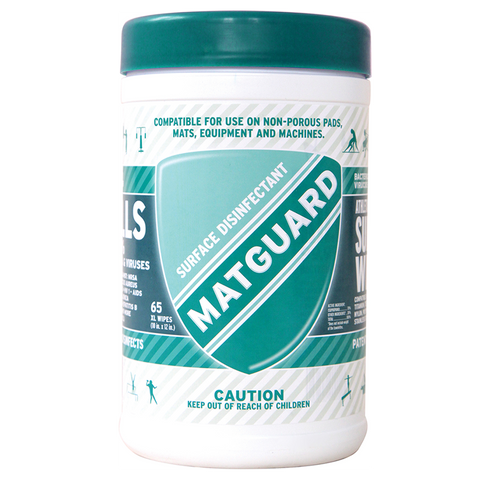
Matguard disinfectant wipes for football equipment can be useful when a full spray-down is not necessary.
Just like sprays, wipes should still be used according to the label, including the required contact time.
How Often Should Shoulder Pads Be Cleaned?
During the Regular Season
Cleaning frequency should depend on how much the pads are being used, how sweaty they get, and how much visible buildup is present.
Teams should not wait until equipment smells bad before dealing with it.
After Games
Games usually mean more sweat, dirt, turf, mud, and contact than a normal practice.
Pads should be checked and cleaned before that buildup sits for days.
During Camps and Two-a-Days
Cleaning matters even more during periods of heavy use.
Pads can get soaked with sweat and may have very little time to dry between sessions, so coaches and equipment staff should pay closer attention to both disinfection and airflow.
Before Reassigning Pads
Any time shoulder pads move from one player to another, clean and disinfect them first.
That is especially important with backup gear, temporary replacements, and reissued equipment.
Why Drying Matters
Damp pads can stay wet for hours when they are stored in a closed locker or packed tightly with other gear.
That makes drying an important part of equipment care.
A better routine includes:
-
Giving pads more airflow
-
Keeping gear off wet floors
-
Avoiding sealed bags for sweaty equipment
-
Spacing pads apart when possible
-
Letting interior padding dry before storage
Avoid using excessive heat or drying methods that could damage the equipment.
Common Cleaning Mistakes
Waiting Until Pads Smell
Odor is usually a sign that sweat and grime have already been sitting on the equipment for a while.
Cleaning should happen before it gets to that point.
Only Cleaning the Hard Exterior
The shoulder caps may look the dirtiest, but the interior padding usually gets the most sweat and body contact.
Both areas matter.
Oversaturating the Padding
More disinfectant is not better.
Use the amount directed on the label and avoid soaking foam or padded areas unnecessarily.
Ignoring Contact Time
A disinfectant needs the proper amount of time on the surface to work as directed.
Rushing this step defeats part of the purpose.
Putting Pads Away Wet
Even freshly cleaned pads should not go straight into a closed locker while damp.
Let them dry first.
Using Harsh Household Chemicals
Protective sports equipment should not be cleaned with random chemicals just because they are nearby.
Always follow the equipment manufacturer’s care guidance and use products appropriate for the surface.
Cleaning Pads Is Only Part of the Solution
Shoulder pad cleaning matters, but it is only one part of a larger football hygiene routine.
Players should also:
-
Shower after practices and games
-
Wash practice clothes regularly
-
Keep cuts and abrasions covered
-
Avoid sharing towels
-
Report suspicious skin issues
-
Keep lockers clean
-
Keep equipment bags clean
A disinfected set of shoulder pads will not make up for dirty clothes, open wounds, or poor locker-room habits.
The best approach is to combine equipment care with good personal hygiene across the entire team.
Frequently Asked Questions
Can Bacteria Live on Football Shoulder Pads?
Yes. Bacteria can contaminate football equipment surfaces, especially areas exposed to sweat, skin contact, dirt, and repeated handling.
Can Sharing Shoulder Pads Spread Bacteria?
Shared shoulder pads can create another opportunity for bacteria to move between players if the equipment is contaminated. Cleaning and disinfecting before reassignment can help reduce that risk.
Should Shoulder Pads Be Disinfected After Every Practice?
There is no single cleaning schedule that fits every team. Frequency should depend on use, sweat, sharing, visible buildup, and storage conditions. High-use equipment may need attention more often.
What Parts of Shoulder Pads Should Be Cleaned Most?
Focus on the interior padding, neck opening, chest and back padding, straps, buckles, shoulder caps, and other high-touch adjustment areas.
Can You Use Disinfectant Spray on Shoulder Pads?
Yes, if the product is appropriate for the equipment surface and is used according to both the disinfectant label and the shoulder pad manufacturer’s care instructions.
How Should Football Shoulder Pads Dry After Cleaning?
Allow them to air dry in a well-ventilated area. Avoid sealed bags, crowded lockers, and excessive heat.
Are Disinfectant Wipes Useful for Football Pads?
Yes. Disinfectant wipes can be practical for straps, buckles, shoulder caps, and other high-touch areas, especially when equipment is shared or being fitted to different players.
Conclusion
Football shoulder pads naturally collect sweat, skin oils, dirt, and bacteria over the course of a season.
The goal is not to make equipment sterile. It is to keep contamination, grime, and moisture from building up unnecessarily.
A simple routine works best: remove visible dirt, disinfect appropriate surfaces, follow the required contact time, and let the pads dry before storage.