

Should You Wipe Down a Football Helmet After Every Practice?
Football helmets go through a lot over the course of a single practice. Sweat builds up inside the padding, dirt and grass can collect on the exterior, and the helmet is repeatedly touched while players put it on, take it off, adjust the chin strap, and move between drills.
So, should you wipe down a football helmet after every practice?
Yes, wiping down a football helmet after every practice is a good habit.
That does not mean performing a complete deep cleaning every day. A quick post-practice wipe-down can focus on the areas that receive the most sweat and contact, followed by enough time for the helmet to dry before it is stored.
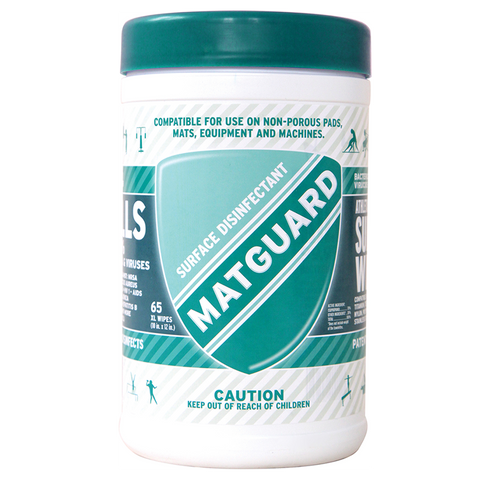
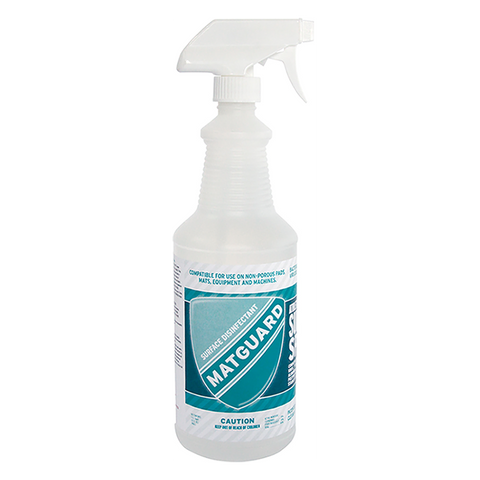
Making this part of the normal post-practice routine is much easier than waiting until a helmet has noticeable odor, dirt, or buildup. Players can also keep helmet wipes with their gear so the helmet can be wiped down before leaving the locker room or practice facility.
Why Should You Wipe Down a Football Helmet After Every Practice?
A football helmet spends an entire practice pressed against a player's head while trapping heat and moisture inside its padding. Depending on the practice, the helmet may also be exposed to dirt, grass, mud, rain, and contact with other equipment.
Over time, that can leave behind:
-
Sweat
-
Skin oils
-
Dirt and grass
-
Moisture
-
Odor-causing residue
-
Grime from repeated handling
One practice may not make a helmet look particularly dirty, but waiting until the equipment smells or has visible buildup is not the best way to approach helmet care.
Instead, think of wiping down the helmet the same way you might handle other parts of a post-practice routine. Cleats get knocked clean, uniforms go into the laundry, water bottles get emptied, and the helmet gets a quick wipe before it is allowed to dry.
The interior deserves particular attention because it can remain warm and damp after practice. Immediately putting a sweaty helmet into a closed equipment bag can keep that moisture trapped around the padding instead of giving the gear an opportunity to dry.
Consistency is the important part. A quick routine performed after each practice is much easier to maintain than dealing with several days or weeks of accumulated sweat and grime at once.
What Parts of a Football Helmet Should You Wipe Down?
You do not have to treat every inch of the helmet exactly the same after each use. For a regular post-practice wipe-down, concentrate on the areas that receive the most direct contact.
Interior Helmet Padding
Start with the interior padding.
These surfaces sit directly against the player's forehead, scalp, temples, and other areas of the head throughout practice. They are also where sweat and moisture are likely to collect.
Wipe the accessible padding thoroughly, paying particular attention to areas that feel damp after the helmet is removed.
Avoid soaking the padding. The goal during a normal post-practice cleanup is to wipe the surface and then allow the helmet to dry.
Chin Strap
The chin strap is another high-contact area that should not be overlooked.
It rests against the player's skin and can collect sweat, moisture, dirt, and residue throughout a practice or game. Players also regularly touch the strap when securing or removing their helmets.
Wipe the strap and the areas around its connection points as part of the same routine.
Jaw Pads
Jaw pads make repeated contact with the cheeks and sides of the face.
Because they sit tightly against the player, they can become sweaty even during practices where the rest of the helmet does not appear especially dirty.
Include both jaw pads when wiping the helmet interior.
Exterior Shell
The outside of the helmet collects a different type of buildup.
Depending on field and weather conditions, that can include dirt, grass, mud, fingerprints, and sweat transferred from a player's hands.
You generally do not need to obsess over making the shell spotless after every practice. Wipe areas with noticeable grime and give frequently handled surfaces regular attention.
Facemask and Frequently Touched Areas
Football players touch their facemasks and other parts of the helmet constantly. Those surfaces can pick up residue from hands, gloves, turf, and other equipment.
Include the facemask and other frequently touched areas in the post-practice routine as needed.
Quick post-practice checklist:
Interior padding → jaw pads → chin strap → facemask → exterior contact areas.
How to Wipe Down a Football Helmet After Practice
Helmet cleaning does not need to turn into a long chore after every practice. A simple routine can take only a few minutes once it becomes part of the player's normal equipment care.
Always follow the helmet manufacturer's cleaning and care instructions, particularly when choosing products to use on helmet materials.
Step 1: Remove Loose Dirt
Start by removing obvious dirt, grass, or mud.
If the exterior is covered in loose debris, getting that material off first makes it easier to properly wipe the surfaces underneath.
Do not grind dirt into the helmet while wiping. Remove larger debris before moving on to the high-contact areas.
Step 2: Wipe the High-Contact Areas
Next, focus on the parts of the helmet that spend the most time against the player's skin.
Start with:
-
Interior padding
-
Jaw pads
-
Chin strap
Give each surface enough attention to remove the sweat and residue left behind during practice.
Step 3: Wipe Frequently Touched Exterior Areas
Move to the exterior once the inside has been addressed.
Wipe the facemask and any areas of the shell that were frequently handled or became dirty during practice.
A helmet that has been through a muddy or rainy practice may need more exterior attention than one used during a dry practice on artificial turf. The routine does not have to be identical every day.
Step 4: Let the Helmet Dry
Cleaning is only part of the post-practice process.
After wiping the helmet, give it an opportunity to dry. Leaving damp padding sealed inside a closed bag can keep moisture trapped in the equipment.
Whenever possible, place the helmet in an open area with adequate ventilation rather than immediately zipping it into a gear bag.
Step 5: Store It in a Dry, Ventilated Area
Once practice is over, avoid leaving the helmet in an unnecessarily damp or enclosed environment.
Let it continue drying before the next use and follow the manufacturer's recommendations for storage.
The entire routine can be simple:
Remove loose dirt → wipe high-contact areas → wipe the exterior as needed → let the helmet dry → store it properly.
Is Wiping Your Helmet the Same as Deep Cleaning It?
No. A regular post-practice wipe-down and a more thorough helmet cleaning serve different purposes.
A post-practice wipe-down is intended to be quick enough that a player can realistically do it after practices and games. It focuses primarily on sweat, surface residue, and frequently touched areas.
A normal wipe-down:
-
Can be performed regularly
-
Concentrates on high-contact areas
-
Removes fresh sweat and surface buildup
-
Takes only a few minutes
-
Helps keep grime from accumulating between deeper cleanings
A more thorough cleaning may be appropriate periodically or when the helmet has heavier dirt and buildup.
Depending on the helmet and the manufacturer's instructions, a deeper cleaning may require additional steps or attention to components that are not part of an everyday wipe-down.
Do not remove helmet components or apply cleaning products simply because they seem appropriate. Football helmets are protective equipment, so follow the care instructions provided by the helmet manufacturer.
Regular wiping does not eliminate the need for more thorough care. It simply helps keep the helmet cleaner between those cleanings.
What About Football Shoulder Pads and Other Protective Gear?
The helmet is not the only piece of football equipment exposed to sweat during practice.
Players can also pay attention to protective equipment such as:
-
Shoulder pads
-
Chin straps
-
Knee pads
-
Hip pads
-
Other hard protective surfaces exposed to sweat and repeated contact
Shoulder pads in particular can hold a significant amount of sweat during a practice. Like helmets, they should be given an opportunity to dry instead of immediately being buried beneath damp clothing and other equipment.
Players who want to keep supplies available for several pieces of protective equipment can carry helmet and pad wipes in their football bag for their post-practice cleanup routine.
The goal does not have to be cleaning every piece of equipment from top to bottom every single day. Prioritize surfaces that directly contact the body, collect sweat, or are frequently handled.
Should You Clean a Football Helmet Before or After Practice?
For a regular routine, after practice makes the most sense.
Cleaning the helmet shortly after use addresses the sweat, moisture, dirt, and grime from that practice before the equipment is stored.
There are several benefits to making cleanup a post-practice habit:
-
Sweat and residue have just accumulated.
-
The helmet has time to dry before it is used again.
-
Dirty equipment is not being stored overnight without attention.
-
Players can build cleaning directly into their existing post-practice routine.
A player may still want to inspect the helmet before practice. Equipment that has been shared, stored for an extended period, or exposed to something since its last use may also need attention before it is worn.
For everyday use, however, keeping the routine tied to the end of practice makes it easy to remember:
Practice ends → helmet gets wiped → helmet dries → equipment is stored.
Don't Put a Sweaty Helmet Straight Into Your Equipment Bag
One of the easiest habits to improve is what happens immediately after the helmet comes off.
A player finishes practice, removes the helmet, drops everything into a bag, zips it closed, and heads home.
The problem is that the helmet may still be warm and damp from practice.
A closed equipment bag can also contain sweaty jerseys, gloves, pads, socks, and other gear. Putting all of those damp items together leaves very little opportunity for airflow.
Instead, treat drying as part of equipment care.
Wipe down the helmet, then allow air to circulate around it whenever possible. Once home, do not leave a closed equipment bag sitting untouched until the next practice.
Open the bag, remove wet or washable clothing, and give protective equipment an opportunity to continue drying.
This is especially important after hot practices, rain, games played in wet conditions, or any session where the helmet padding is noticeably damp.
Cleaning and drying work together. Wiping down the helmet and immediately sealing it into a damp environment can undermine the routine you just completed.
Make Helmet Cleaning Part of Your Post-Practice Routine
The easiest equipment-care routine is one that a player will actually follow.
There is no need to turn every practice into a full equipment-cleaning session. Instead, establish a repeatable process for the areas that receive the most sweat and contact.
Finish practice → wipe helmet and pads → allow gear to dry → store equipment properly → repeat after the next use.
So, should you wipe down a football helmet after every practice?
Yes.
A quick wipe-down after use is a simple way to stay on top of sweat, dirt, moisture, and everyday buildup before it accumulates. Pay particular attention to the interior padding, jaw pads, chin strap, facemask, and other frequently touched areas.
More thorough cleaning can still be performed when necessary according to the helmet manufacturer's care instructions.
Most importantly, make the process convenient. Keeping the right cleaning supplies in your equipment bag makes the routine much easier to maintain throughout the football season.
Frequently Asked Questions About Cleaning Football Helmets
Should You Wipe Down the Inside of a Football Helmet?
Yes. The interior padding, jaw pads, and other surfaces that regularly contact the player's head and face should receive attention during a post-practice wipe-down. These areas can collect sweat and moisture throughout practices and games.
How Often Should Football Helmets Be Cleaned?
High-contact areas of a football helmet can be wiped down after each practice or game. More thorough cleaning can be performed periodically or when heavier dirt and buildup are present. Always follow the helmet manufacturer's cleaning and care instructions.
Should Football Shoulder Pads Be Wiped Down Too?
Yes. Football shoulder pads also collect sweat and residue during practices and games. Regularly wiping appropriate surfaces and allowing the pads to dry can be incorporated into the same post-practice equipment routine.
Should You Let a Football Helmet Dry Before Putting It Away?
Yes. After wiping down a football helmet, allow it to dry before storing it in a closed equipment bag whenever possible. Airflow can help prevent moisture from remaining trapped around the helmet padding between practices.