

Post-Practice Symptoms Parents Should Know
Most things kids feel after practice are normal—sore muscles, a few bruises, maybe a blister. But some signs are “don’t wait,” and catching them early is how you avoid bigger problems.
This guide helps you tell what’s normal after practice versus what needs evaluation, and what to do next without panicking or overreacting.
Quick note: this isn’t medical advice. If you’re unsure, or something looks like it’s getting worse fast, get checked.
The Fast “Normal vs Not Normal” Rule
Normal after practice
These are common and usually improve with basic rest and care:
-
Muscle soreness the next day
-
Mild bruises
-
Typical blisters
-
Light turf burn irritation
Also normal: minor stiffness that improves with rest, a shower, fluids, and a good night’s sleep.
Not normal
These are the signals to take seriously:
-
Symptoms that rapidly worsen, spread, or include fever
-
Pain that seems out of proportion to what happened, especially if it’s getting worse instead of better
A good rule: if it’s trending the wrong direction overnight, don’t “wait a few more days.” That’s how minor issues turn into urgent ones.
Skin Issues Parents Should Take Seriously
Red flags for possible skin infection (staph/MRSA/impetigo)
Skin infections often start small and get big quickly. Watch for:
-
A red bump that grows and becomes warm and painful
-
Swelling with pus or drainage, or a “boil” look
-
Spreading redness or red streaking
-
Fever, or your child just looks sick and wiped out
What parents often mistake as “nothing”
A lot of parents hear “it’s just a pimple” or “probably a spider bite.” Sometimes it is—but if it’s getting worse quickly, treat it as suspicious.
-
A “pimple,” “spider bite,” or ingrown hair that grows, warms up, and becomes more painful
-
A turf burn that becomes more painful, starts oozing, or gets crusted instead of drying out and calming down
What to do that night
Keep it simple and safe:
-
Cover it with a clean, dry bandage
-
Don’t squeeze it or try to pop it
-
Separate towels, wash practice clothes, and keep nails short
-
If it’s worsening, draining, spreading, or painful, contact the trainer or a medical provider instead of guessing
Concussion and Head Injury Signs After Practice
Same-day evaluation signs
If your kid took a hit, fell hard, or even just “got their bell rung,” don’t brush it off. Same-day evaluation is smart when you see:
-
A headache that worsens
-
Repeated vomiting
-
Confusion or acting “not like themselves”
-
Unusual sleepiness that feels off
Emergency signs (don’t wait): balance problems that are obvious, slurred speech, or unequal pupils. If any of those show up, treat it as urgent.
“Next-day” concussion signs
Some concussion symptoms don’t show up until later. The next day, watch for:
-
Sensitivity to light or noise
-
Trouble focusing or “foggy” thinking
-
Irritability or mood changes
-
Sleep changes (sleeping way more, way less, or waking a lot)
Parent actions
-
Remove from play. No same-day return if you suspect a concussion.
-
Monitor at home and follow the team’s return-to-learn and return-to-play guidance. The goal is a safe, step-by-step ramp back, not “let’s see if they can push through.”
Heat Illness Red Flags (Especially in Camp/Two-a-Days)
Heat exhaustion signs
These are the “take this seriously right now” symptoms:
-
Heavy sweating
-
Dizziness or headache
-
Nausea
-
Cramps
-
Weakness or looking wiped out
Heat stroke warning signs (emergency)
Heat stroke is a true emergency. Watch for:
-
Confusion
-
Fainting
-
Very hot skin
-
Rapid breathing
-
Seizures
What to do immediately
Get them into shade or AC, start cooling them down, and hydrate if they’re alert and can drink safely. If heat stroke signs are present, seek urgent care/911—don’t try to “sleep it off.”
Respiratory and Asthma Warning Signs
When it’s more than “out of shape”
There’s a difference between being winded and not being able to breathe well. Red flags include:
-
Wheezing
-
Chest tightness
-
Persistent cough that won’t settle
-
Trouble speaking full sentences without stopping to breathe
Emergency sign: bluish lips or severe shortness of breath. That’s not a “wait and see” situation.
Practical steps
Use the prescribed inhaler plan if your child has one. If symptoms don’t improve quickly, or keep returning after practices, get evaluated and let the coach/trainer know.
Orthopedic “Don’t Wait” Injuries
Possible fracture or serious sprain
If you see any of these, don’t try to “walk it off”:
-
Severe pain
-
Obvious swelling or deformity
-
Inability to bear weight or use the limb normally
Urgent signs: numbness/tingling, or fingers/toes that look cold or pale. That can mean circulation or nerve involvement.
Overuse injuries that need evaluation soon
Not everything is a dramatic injury. If pain returns every practice, your kid is limping, or swelling doesn’t resolve, it’s worth getting checked. Overuse issues get easier to manage when you catch them early.
“Stomach Bug” vs Practice-Related Concerns
When vomiting is concerning
Vomiting after practice is not always a stomach bug. It’s more concerning when it’s paired with:
-
A severe headache or any head hit earlier
-
High heat exposure (especially if they were cramping, dizzy, or weak)
Dehydration signs
If they can’t keep fluids down or you notice:
-
Dark urine
-
No urination
-
Extreme fatigue
-
Dry mouth
…think dehydration and take action.
What Parents Can Do at Home (Simple, Safe First Steps)
The 10-minute check
When they get home, do a quick scan:
-
Skin check: scrapes, turf burns, blisters, any new bumps
-
Hydration check: did they pee, what color is it, are they dizzy?
-
Pain scale: what hurts, where, and is it getting worse?
Clean and cover
Wash wounds, dry them, bandage them, and get them out of sweaty gear fast. Most problems get worse when kids stay in damp clothes and ignore open skin.
Hygiene habits that prevent problems
-
Don’t share towels or bottles
-
Wash practice clothes after each use
-
Shower ASAP, or wipe down when a shower isn’t possible
When to Call the Coach/Athletic Trainer Immediately
Call or message the trainer/coach the same day if you have:
-
Any suspected concussion symptoms
-
A spreading skin infection or draining sore
-
Heat illness signs during or after practice
-
A severe injury that limits movement or normal use
FAQ
How do I know if a “pimple” is staph?
If it’s getting bigger fast, warm, painful, swollen, or starts draining, don’t assume it’s nothing. Cover it and get it evaluated—especially if there’s fever or spreading redness.
Should I keep my child home if they have a rash?
If it’s spreading, oozing, crusting, or painful, or if it can’t be covered, it’s safer to keep them out and get guidance. If it’s mild and improving, ask the trainer what the team’s policy is.
Can my child practice with a covered sore?
Only if it can be fully covered securely and isn’t draining. If bandages won’t stay on or there’s active drainage, they shouldn’t be in contact practice.
When is a headache after practice an emergency?
A headache that rapidly worsens, comes with repeated vomiting, confusion, slurred speech, balance issues, or unequal pupils should be treated as urgent.
What’s the fastest way to reduce infection risk at home?
Get them out of sweaty gear quickly, shower or wipe down, clean and cover any skin breaks, and wash practice clothing after each use. Also: no sharing towels or bottles.
Conclusion
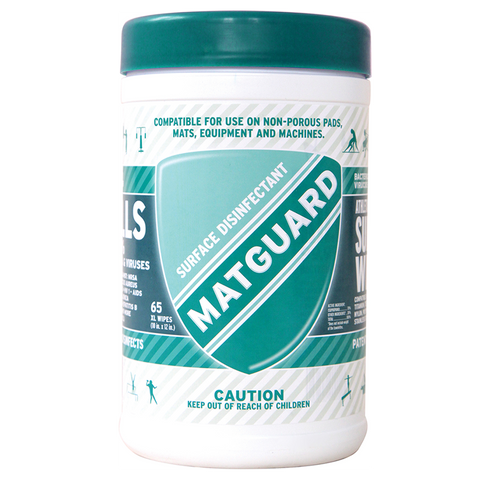
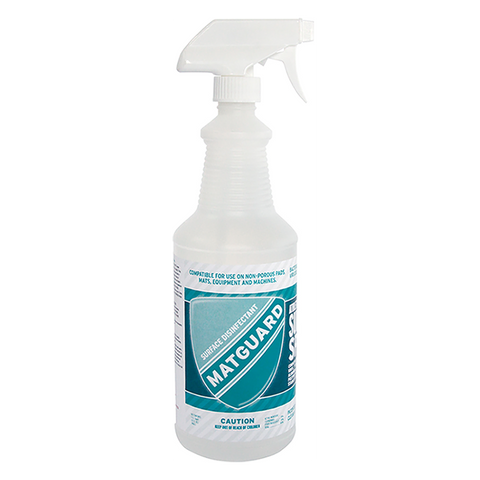
Keep it simple: fast cleanup, clean and cover wounds, and don’t share the high-risk stuff. If showers aren’t immediate, keeping antibacterial body wipes in the sports bag helps reduce the “sweaty gap,” and disinfectant wipes/spray are useful for quick gear touchpoints and travel days.