

No Sharing Team Policy Athletes Follow
Most team hygiene problems don’t come from “bad kids.” They come from vague rules and shared stuff.
Teams say “don’t share,” but usually stop there. No one defines what counts as sharing, what the backup plan is when someone forgets something, or who is actually responsible for enforcing the rule.
This guide gives coaches and program leaders a simple no-sharing policy, how to roll it out, and how to make it stick—without turning every practice into a lecture.
Why Teams Need a No Sharing Policy
“Don’t share” is too vague
Athletes hear “don’t share,” then still share towels, tape, deodorant, bottles, or loaner gear “just this once.”
If the rule isn’t specific, athletes make up their own version:
-
“Water bottles count, but towels don’t”
-
“It’s fine if it’s my teammate”
-
“It’s okay if we wipe it first”
That’s how avoidable problems keep happening.
Shared items = fast spread risk
Shared items create a fast chain across the team, especially when they touch skin, sweat, or the mouth.
Common spread-risk items include:
-
Towels
-
Razors/clippers
-
Water bottles
-
Mouthguards
-
Deodorant
-
Shared skin-contact items and touchpoints
One item getting passed around can expose a lot of athletes quickly.
The real goal: habit, not fear
This isn’t about scaring kids. It’s about reducing spread risk and keeping more athletes active and available.
The best framing is team discipline and respect:
-
Respect your teammates
-
Respect shared spaces
-
Respect the routine
That message lands better than fear-based speeches.
What Your “No Sharing” Policy Should Cover
Personal items that should never be shared
These should be clearly listed as personal-only items:
-
Towels
-
Razors/clippers
-
Deodorant
-
Water bottles
-
Mouthguards
-
Soap/body wash
-
Ointments, balms, or creams that touch skin directly
If it touches skin (or saliva), don’t pass it around.
High-risk team items that need controlled use
Some items are shared by nature, but they need a system:
-
Athletic tape rolls and taping station tools
-
Roller sticks, massage guns, and rehab tools
-
Loaner gear (pads, gloves, jerseys)
-
Practice pinnies if they’re reused without laundry
These aren’t “never share” items. They’re “control use and clean before reuse” items.
The simple rule athletes remember
Give athletes two lines they can actually remember:
-
If it touches skin, it’s personal.
-
If it touches sweat, it gets cleaned.
That’s the policy in plain English.
The Policy Language
What to say (sample policy statement)
Your policy should be short, clear, and usable. In plain language, it should define:
-
What counts as a personal item
-
What counts as shared equipment
-
What “clean before reuse” means in your program
A good policy doesn’t sound like legal paperwork. It sounds like instructions athletes can follow.
What to avoid in policy wording
Avoid the stuff that gets ignored:
-
Overly medical language
-
Long lists nobody reads
-
Threat-heavy wording with no practical steps
If players can’t repeat the rule back to you, it’s too complicated.
Add a “what to do instead” section
This is the part most teams forget, and it’s why athletes break the rule.
Build in backup actions:
-
Forgot towel = use a single-use backup
-
Mixed-up bottle = replace/relabel, don’t borrow
-
Loaner gear = sign out, clean, and dry before return
When athletes know the backup plan, they stop improvising.
How to Roll It Out So Athletes Actually Follow It
Start with a 3-minute team talk
Keep it short and clear:
-
Why it matters (missed practices, avoidable spread, team-wide impact)
-
What the rule is
-
What the backups are when someone forgets something
This should sound like a standards talk, not a health class lecture.
Show the team the supplies and locations
Don’t just say “use the wipes.” Show them exactly where things are:
-
Towels and bottle labels
-
Wipes/spray stations
-
Laundry/dirty gear bins
People follow systems they can see.
Use repetition at the right moments
You don’t need a speech every day. You need short reminders at the right times:
-
Pre-practice reminder (30 seconds)
-
Travel day reminder
-
End-of-practice gear check
That rhythm is what turns policy into habit.
Set Up the Environment So Compliance Is Easy
Labeling system (prevents accidental sharing)
A simple labeling system prevents most mix-ups:
-
Names on bottles, towels, chin straps, gloves, and bags
-
Color tape + marker system for quick ID
If gear gets piled together after practice, unlabeled items become “shared” fast.
Backup supplies (so athletes don’t borrow)
If there’s no backup, athletes borrow. Plan for that.
-
Single-use towels or paper alternatives
-
Extra labeled bottles or disposable cups (if your program uses them)
-
Bandages and tape at the trainer station
The goal is to remove the excuse.
Cleaning stations in the right places
Put cleaning tools where the behavior happens:
-
Taping stations
-
Equipment room exits
-
Bench/sideline areas
-
Locker room exits
If supplies are across the building, compliance drops.
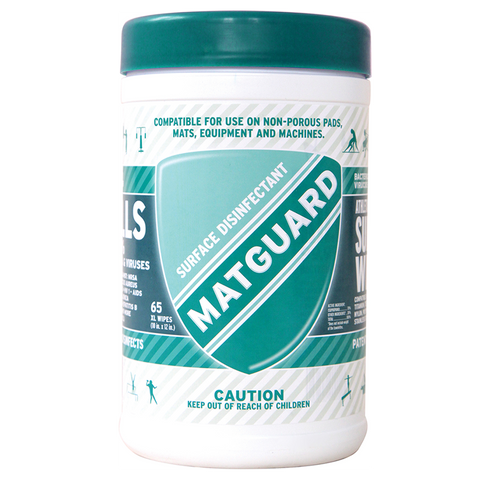
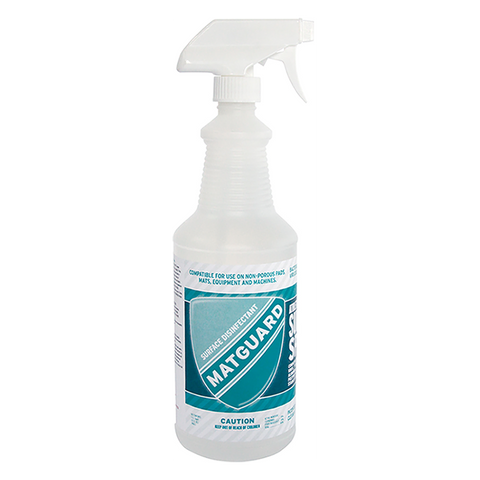
Keep Matguard Athletic Equipment & Surface Wipes and Matguard Surface Spray where traffic happens so “clean before reuse” is easy to follow.
Roles and Accountability (Who Enforces What)
Coaches
Coaches set the tone. If they repeat the rules and enforce them consistently, athletes follow. If coaches ignore it when it’s inconvenient, the policy dies.
Athletic trainers / staff
Trainers and staff help manage the highest-risk zones:
-
Taping stations
-
Rehab tools
-
Wound coverage expectations
-
Quick correction when something isn’t clean or properly covered
Equipment managers
Equipment managers are key for shared gear control:
-
Loaner gear sign-out
-
Cleaning cadence
-
Dry-time rules before gear goes back into rotation
Team captains
Captains should model the standard without shaming teammates. Peer example works better than calling people out.
Parents (especially youth sports)
Parents can make compliance way easier by packing:
-
Labeled items
-
Backup towels
-
Clean clothes
-
A basic hygiene kit
If the bag is set up right, athletes are less likely to borrow.
The Most Common Policy Failures (And Fixes)
“We told them once”
Problem: Teams do one talk at the start of the season and assume the rule is locked in.
Fix: Weekly reset + short reminders. Repetition beats one-time speeches.
No supplies in the right places
Problem: Wipes and spray exist, but they’re locked up or far away.
Fix: Station wipes/spray where athletes actually move and touch things.
Loaner gear chaos
Problem: Loaners get handed out, returned damp, and thrown back on a rack.
Fix: Sign-out + immediate clean + dry rack system before reuse.
Mixed messages from coaches
Problem: Some players get held to the rule, others don’t.
Fix: One standard for starters, bench players, and everyone else.
Shaming instead of coaching
Problem: Public callouts make athletes hide issues and avoid reporting.
Fix: Private correction, clear team standards, no embarrassing kids in front of the group.
Travel, Tournaments, and Camp Weeks (Where Policies Break)
Travel day no-sharing rules
Travel is where “just this once” happens. Tighten the basics:
-
Towels
-
Bottles
-
Deodorant
-
Pillows/blankets
-
Hotel toiletries
If it touches skin or the mouth, treat it as personal.
Camp/two-a-day adjustments
Camp weeks need a stricter setup:
-
Extra towels and clothes
-
More wipes/spray stations
-
Midday gear dry-out and skin checks
More sweat + more reps = more chances for problems.
Tournament weekend quick controls
You don’t need a full policy rewrite. You need fast controls:
-
Personal gear zones
-
Separate clean/dirty bags
-
Shared rehab tools cleaned between athletes
Add a Skin/Wound Reporting Rule (Without Stigma)
What athletes should report early
Add reporting to the policy so athletes know exactly what matters:
-
Draining sores
-
Worsening bumps
-
Suspicious rashes
-
Turf burns that are getting worse instead of better
Why this belongs in the policy
“No sharing” only works if active issues are identified early. If athletes hide skin problems, shared-item rules alone won’t protect the team.
Sample reporting language
Use a simple line like:
“Tell a coach or trainer early. Reporting is not punishment.”
That one sentence removes a lot of hesitation.
Sample No Sharing Team Policy Template (Copy/Paste)
Short version (locker room sign)
Use a short sign with 5–7 rules athletes can scan in seconds:
-
No sharing towels, bottles, razors, deodorant, or mouthguards
-
Label your gear
-
Clean shared tools before return
-
Report draining sores or worsening rashes early
-
Keep dirty gear contained
-
Use team backup supplies instead of borrowing
Full version (parent/team handbook)
Your full version should include:
-
Policy statement (why it exists)
-
List of personal-only items
-
Shared equipment cleaning expectations
-
Enforcement and accountability roles
-
Travel/camp addendum
Keep it readable. If it looks like a legal form, nobody reads it.
Practice-end checklist
A quick end-of-practice checklist makes enforcement real:
-
Labels checked
-
No shared personal items left out
-
Dirty gear contained
-
Touchpoints cleaned
Frequently Asked Questions About Team Sharing Equipment
What items should never be shared on a team?
Towels, razors/clippers, deodorant, water bottles, mouthguards, soap/body wash, and any cream or balm that touches skin directly.
What if an athlete forgets a towel or bottle?
Use a backup option (single-use towel, labeled spare bottle, or approved disposable cup). Don’t borrow a teammate’s.
Can teams share rehab tools if they’re cleaned?
Yes—if your policy defines how and when they’re cleaned, and staff actually enforce it.
How do we handle loaner gear safely?
Use sign-out, clean immediately after use, and allow full dry time before it returns to the rack.
How strict should coaches be?
Very consistent, not dramatic. The goal is clear standards and repeatable habits, not yelling.
Conclusion
Make the rule specific, make supplies easy to reach, and assign responsibility. That’s how a no-sharing policy goes from “nice idea” to something athletes actually follow.
CTA: Build your no-sharing policy around simple habits and stock the right tools—Matguard Athletic Equipment & Surface Wipes and Matguard Surface Spray make “clean before reuse” realistic for teams.