

When a Pimple Needs Evaluation
In sports, the most common “it’s nothing” mistake is a bump that looks like a pimple… until it isn’t. One day it’s small, the next day it’s swollen, painful, and suddenly you’re wondering if your kid should even be at practice.
This guide shows you how to spot red flags early, what to do tonight, and when to stop guessing and get evaluated.
Quick note: this isn’t medical advice. If it’s worsening fast or you’re unsure, get checked.
Why Athletes Get These Bumps More Than Most People
The sports perfect storm
Athletes get “mystery bumps” more often because sports create the perfect conditions:
-
Sweat + friction + tight gear: skin gets irritated and rubbed raw in the same places over and over.
-
Small breaks in skin: turf burns, blisters, shaving nicks, cracked knuckles—tiny openings that barely register.
-
Shared spaces and touchpoints: locker rooms, training tables, benches, taping stations, loaner gear, even shared towels and bottles.
None of this means someone is “dirty.” It just means the environment is built for skin problems to start.
The “entry point” concept
Most infections don’t start on perfect skin. They start when bacteria get into a tiny opening you barely notice. A blister edge, a turf burn, a shaving nick under compression gear—those are the entry points that turn a small bump into a bigger issue.
What a Normal Pimple Usually Looks Like
Typical features
A normal pimple is usually:
-
Small, superficial, and only mildly tender
-
Not hot to the touch and not rapidly growing
-
Improving over a couple of days with basic hygiene and leaving it alone
What it usually doesn’t do
A normal pimple typically:
-
Doesn’t spread quickly beyond its original area
-
Doesn’t create major swelling or deep, throbbing pain
If it’s acting “bigger” than a normal pimple, treat it like a different category.
The Red Flags: Signs It’s Not Just a Pimple
The “get evaluated soon” list (same day / next day)
These are the signs to stop guessing and plan evaluation:
-
Rapid growth over hours (not days)
-
Warmth plus increasing tenderness
-
Swelling that keeps building
-
Pus/drainage or a “boil” look
-
Multiple bumps appearing (especially in the same area)
-
Your child/athlete looks run down or “not themselves”
The “urgent” list (don’t wait)
These are the “don’t sleep on it” signs:
-
Fever
-
Red streaking from the area
-
Location on the face/near the eye, genitals, or near a joint
-
Severe pain out of proportion
-
Numbness, rapid swelling, or reduced movement
Common Look-Alikes Parents and Players Confuse
Ingrown hair / razor bump
How it starts: small bump where hair grows back in, usually localized.
How it changes when infected: it gets warmer, more painful, swells more, and may start to drain or form a boil-like center. The direction matters—worse fast is the warning sign.
Insect bite / “spider bite”
This explanation is overused because early infections and bites can look similar. The problem is that “bite” becomes an excuse to wait.
What makes it suspicious: rapidly spreading redness, increasing pain, warmth, swelling, drainage, or your kid feeling sick. Bites usually itch more than they deeply hurt. Deep tenderness and heat are a different vibe.
Friction blister / turf burn bump
Rubbing can inflame a spot and create a raised, irritated area.
When it becomes an infection risk: when the skin is open, wet-looking, crusting, expanding, warmer, or increasingly painful—especially under pads or compression where it stays sweaty.
The “Do Not Do This” List
Don’t pop it, squeeze it, or drain it
That spreads infection risk and worsens inflammation. If it’s something boil-like, trying to DIY it can make it bigger and harder to treat.
Don’t tape over a draining bump and keep playing
Covering isn’t control. If it’s actively draining, or you can’t fully cover it securely for the entire practice, they shouldn’t be in contact.
Don’t share creams, balms, towels, or razors
This is how “helping out” turns into a team-wide issue. If it touches skin, it’s personal—no exceptions.
What To Do Tonight (Simple Home Steps)
Clean, cover, and watch the trend
-
Clean gently and dry it well.
-
Bandage if needed (especially if it can rub on gear or clothing).
-
Take a photo tonight so you can compare tomorrow. Trend matters more than one snapshot.
Reduce the “sweaty window”
Shower ASAP. If that’s not possible, wipe down before the ride home so sweat and friction aren’t sitting on the area for another hour.
Keep antibacterial body wipes in the sports bag for the no-shower gap.
Keep it from spreading at home
-
Separate towels (no sharing)
-
Wash practice clothes after use
-
Don’t reuse compression gear
-
Keep nails short (scratching spreads and irritates)
When the Athlete Should Sit Out
Simple rule for contact sports
If it’s draining or can’t be fully covered securely → no contact.
Why this protects the athlete and the team
Sitting out early avoids outbreaks, speeds recovery, and prevents worsening. The “play through it” approach is how one kid becomes three kids.
What a Medical Visit Might Include
What they check
A clinician may check:
-
Size, warmth, tenderness, and surrounding redness
-
Swelling and whether there’s a focal “boil” point
-
Nearby lymph nodes
Cultures and treatment
-
Cultures happen when a provider needs clarity on what’s causing it (often when it’s draining, spreading, or recurring).
-
Treatment can be topical or oral meds (provider decision), based on severity and appearance.
-
Drainage procedures are done only when medically indicated—not as a home project.
Team Prevention So This Doesn’t Keep Happening
The no-sharing essentials
These are the usual spreaders:
-
Towels
-
Razors/clippers
-
Deodorant
-
Water bottles
Fix those habits and a lot of “mystery bumps” disappear.
Post-practice routine that works
Keep it simple:
-
Wipe down (or shower)
-
Change into dry clothes
-
Clean key touchpoints (hands, bottle exterior, phone case, chin strap exterior)
-
Contain dirty gear and air out the bag
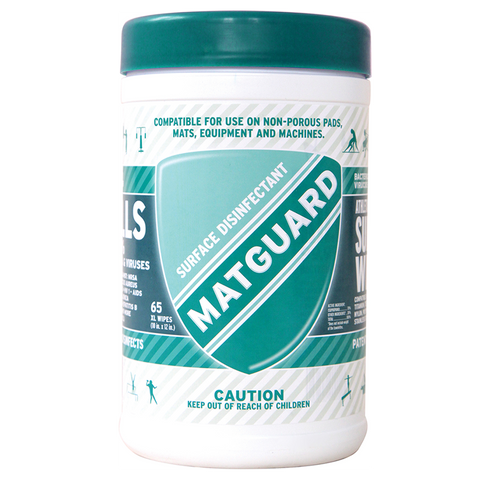
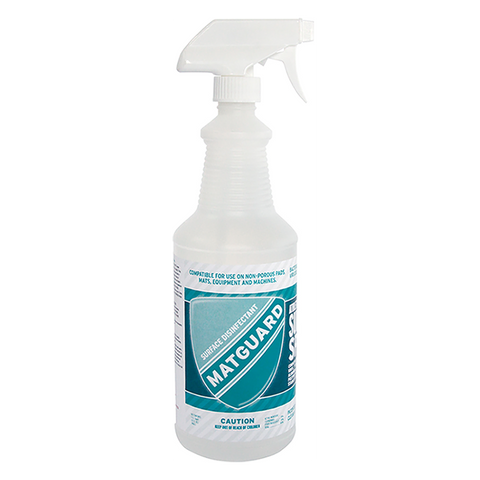
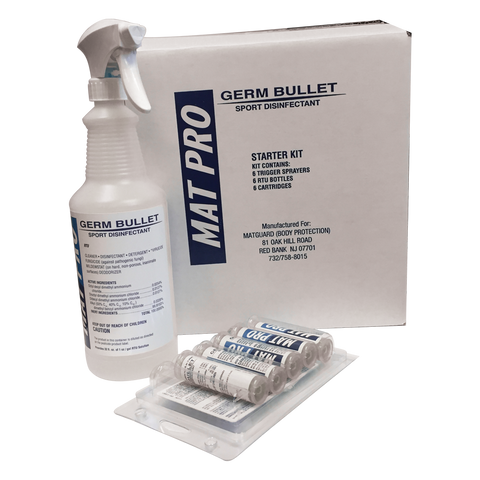
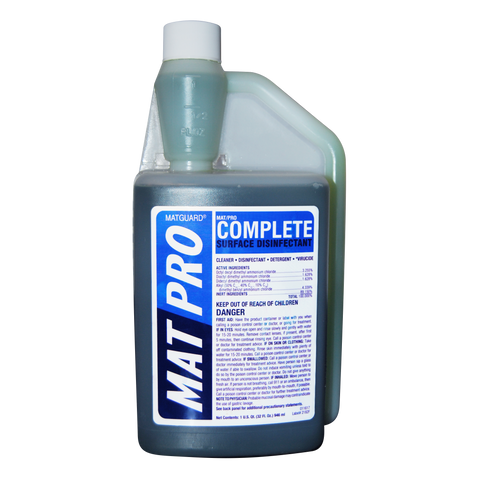
Keep disinfectant wipes/spray at taping stations and equipment exits.
FAQ
How fast is “too fast” for a pimple to grow?
If it noticeably enlarges over a few hours or is clearly worse by bedtime, that’s too fast to ignore.
Can my kid practice if it’s covered?
Only if it can be fully covered securely and isn’t draining. If the bandage won’t stay put or there’s drainage, they should sit out of contact.
Is it always staph/MRSA?
No. Not every bump is staph/MRSA. But the red flags are the same: worsening fast, warmth, swelling, pain, and drainage.
What if it keeps coming back?
Recurring bumps are a strong reason to get evaluated and review hygiene/gear routines. Reuse of compression gear, poor dry time, and shared items are common culprits.
Should I use antibiotic ointment?
For small cuts/scrapes, many families use basic first aid. But if the bump is worsening, warm, very painful, draining, or spreading—don’t self-treat and guess. Get evaluated.
Print-This Mini Checklist
Watch tonight
-
Is it bigger than it was this morning?
-
Is it warm to the touch?
-
Is pain increasing or deep/tender?
-
Any drainage, crusting, or boil-like center?
-
Any spreading redness beyond the bump?
-
Does your child look sick or unusually wiped out?
Call tomorrow if…
-
It’s clearly worse by morning
-
Warmth/swelling/pain is increasing
-
New bumps appear nearby
-
A turf burn/blister in the area is open and not improving
-
You can’t fully cover it securely for practice
Go now if…
-
Fever
-
Red streaking
-
Face/eye area, genitals, or near a joint with significant symptoms
-
Severe pain out of proportion
-
Rapid swelling, numbness, or reduced movement
Conclusion
Trend matters. If it’s worsening fast, treat that as your signal to get checked—early action prevents bigger problems.
Stock antibacterial body wipes for post-practice cleanup and disinfectant wipes/spray for gear touchpoints to reduce spread risk.