

What Should You Look for in a Helmet and Pad Spray?
Helmets and pads go through a lot.
They absorb sweat, pick up odors, get tossed into bags, sit in lockers, and are used over and over again throughout a season. In some programs, equipment is even shared between athletes. Yet cleaning routines often get overlooked until the gear starts to smell.
Choosing the right helmet and pad spray involves more than finding something that masks odors. The best products fit naturally into your routine, work with athletic equipment, and help support a cleaner environment for athletes.
Here is what to look for before making a purchase.
Why Helmet and Pad Sprays Matter
Protective equipment is one of the hardest-working parts of any athletic program.
Unlike uniforms that get washed after use, helmets and pads often stay in rotation for days or weeks at a time. That means sweat, moisture, and daily wear can build up quickly.
For programs that share equipment, regular cleaning becomes even more important. Athletes expect gear to feel clean and comfortable, whether it belongs to them or not.
Helmet and pad sprays also help manage odors. While a fresh smell is nice, odor control is really a sign that equipment is being maintained consistently instead of ignored until it becomes a problem.
Good cleaning habits can also help extend the life of expensive gear. When equipment is cared for properly, programs may avoid unnecessary wear and replacement costs.
Features to Look For in a Helmet and Pad Spray
Not every spray is designed for athletic equipment. Looking beyond the marketing claims can help you find a product that actually fits your program's needs.
Appropriate Disinfecting Claims
Start by reading the label.
If a product makes disinfecting claims, understand exactly what those claims mean. Look for information about what the product is intended to address and how it should be used.
It is also important to verify that the spray is intended for athletic equipment. A product designed for household counters may not be the best option for helmets, shoulder pads, or protective gear.
The label should help you understand both the intended use and the instructions required to get the expected results.
Ease of Application
If a product is difficult to use, people are less likely to use it consistently.
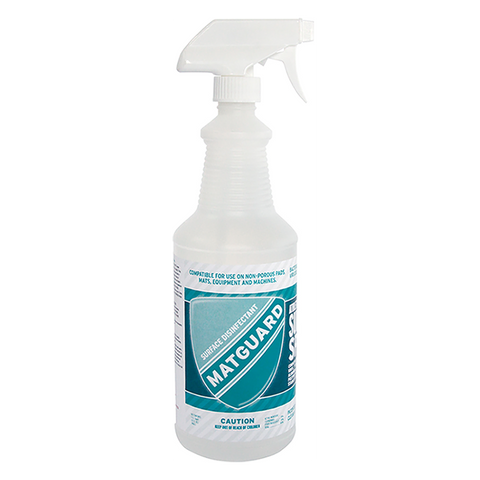
Look for spray bottles that are easy to handle and provide even coverage. Staff should be able to apply the product quickly between practices, after games, or during routine cleaning.
Consider how the spray works in real-world situations. Does it reach interior padding? Is it easy to carry? Can coaches or athletic trainers apply it without disrupting their schedule?
Convenience matters because consistency matters.
Surface Compatibility
Athletic equipment contains a variety of materials.
Interior padding, foam inserts, plastic shells, straps, liners, and synthetic fabrics may all react differently to cleaning products. Using the wrong spray can lead to discoloration, stiffness, residue, or unnecessary wear over time.
A quality helmet and pad spray should be compatible with the materials commonly found in athletic gear.
Protective equipment is expensive. The products used to maintain it should help protect that investment, not shorten its lifespan.
Practical Contact Times
Contact time refers to how long a surface needs to remain wet for a product to work as directed.
This detail is easy to overlook, but it can have a big impact.
A spray that requires long contact times may not fit the reality of a busy athletic schedule. Coaches and trainers often need to move quickly between practices, games, and equipment turnover.
Choosing a product with practical instructions makes it easier to build cleaning into the normal rhythm of your program.
Residue Considerations
Nobody wants to put on equipment that feels sticky.
Some products can leave behind buildup that affects comfort or changes how equipment feels during use. Over time, residue can attract dirt or create an unpleasant experience for athletes.
Look for products designed to minimize residue while supporting regular maintenance.
Clean equipment should still feel comfortable and ready to use.
Common Mistakes When Choosing a Spray
Programs sometimes focus on the wrong factors when selecting equipment care products.
Avoiding these common mistakes can save time and frustration.
Prioritizing Scent Over Performance
A pleasant scent should never be the deciding factor.
A spray that smells great but does not fit your cleaning needs may not support the routines your facility depends on. Focus on practicality first. Fragrance should be secondary.
Ignoring Label Instructions
Even a quality product will not perform as intended if the directions are ignored.
Take time to understand application methods, contact times, and safety recommendations. The label provides important guidance that supports consistent use.
Using Products Not Intended for Equipment
Not every cleaning product belongs on athletic gear.
Products designed for unrelated surfaces may not be compatible with helmets and pads. Before using something new, confirm that it is intended for the equipment you plan to clean.
Applying Inconsistently
Cleaning equipment only when it starts to smell is not much of a strategy.
The most effective routines are predictable. Regular application after use is often easier than trying to solve problems after they develop.
Consistency is what turns a product into a routine.
Building Helmet and Pad Cleaning Into Your Routine
The best cleaning plans are simple enough to stick with.
After Practices
Set aside a few minutes after practice to address protective gear.
A quick cleaning routine can help prevent sweat and odors from sitting on equipment day after day. Making it part of the normal post-practice process encourages consistency.
During Competition Periods
Busy stretches of the season often mean heavier equipment use.
Tournament weekends, playoff runs, and back-to-back games can increase the need for regular maintenance. Having supplies readily available makes it easier to keep up with demand.
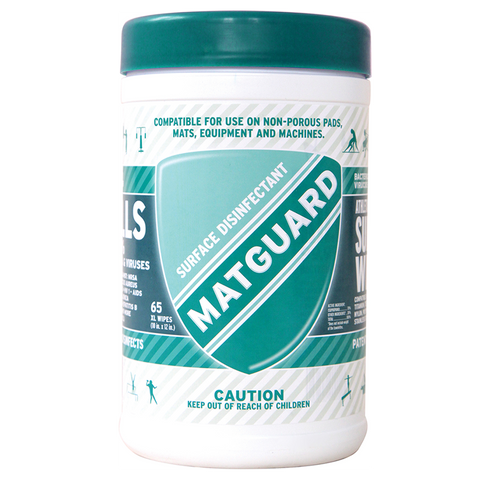
During these periods, programs may also benefit from keeping disinfectant wipes nearby for quick attention to high-touch equipment and shared areas.
End-of-Season Maintenance
The end of the season is a good opportunity for a more thorough equipment review.
Inspect helmets and pads for damage, wear, missing parts, or areas that need repair before equipment is stored away.
Taking care of gear before the offseason can help programs start the next season in a better position.
Questions to Ask Before Purchasing
Before choosing a product, ask a few practical questions.
Is it designed for athletic equipment?
Is it easy for staff and coaches to use?
Does it fit your program's schedule?
Are the instructions realistic for daily routines?
Will it support consistent cleaning habits?
Will athletes actually be comfortable using equipment treated with it?
The answers can help narrow your options and lead to a better long-term fit.
Conclusion
The best helmet and pad spray is not necessarily the one with the strongest fragrance or the flashiest marketing.
It is the one that balances effectiveness, practicality, and ease of use.
Athletic programs thrive on routines. Choosing products that fit naturally into those routines can help support cleaner equipment, more comfortable athletes, and a more organized approach to equipment care throughout the season.