

The Ultimate Checklist for Opening a New Athletic Facility
Opening a new athletic facility takes more than buying equipment, setting practice times, and getting athletes through the door.
Before the first workout, game, class, or training session, the facility needs a plan. Staff need to know what they are responsible for. Equipment needs to be checked. Cleaning routines need to be clear. Safety procedures need to be ready before there is a problem.
A strong opening checklist helps create a safer, smoother operation from day one. Use this guide to plan the essentials before your facility officially opens.
Develop Operational Policies Early
Do not wait until opening week to decide how the facility will run.
Operational policies set expectations for staff, coaches, athletes, parents, and visitors. They also help prevent confusion when the building gets busy.
These policies should cover cleaning, equipment use, emergency response, communication, supervision, and general facility rules. The goal is simple: everyone should know what to do before the doors open.
Create Cleaning Protocols
Cleaning protocols should be specific.
A vague plan like “clean everything daily” is hard to follow and even harder to enforce. Instead, break the facility into areas and assign clear tasks.
Daily cleaning may include:
-
Locker rooms
-
Restrooms
-
Weight room equipment
-
Training tables
-
Mats
-
Benches
-
Door handles
-
Shared sports equipment
Weekly tasks may include deeper cleaning of storage rooms, bleachers, office areas, equipment cages, floors, and less-used surfaces.
You should also assign responsibility. Coaches, custodial staff, athletic trainers, and facility employees may all handle different parts of the process. Make it clear who cleans what, when it gets done, and how it should be documented.
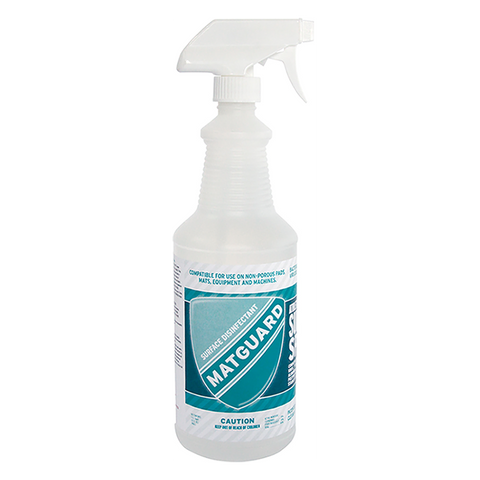
For high-touch areas and shared gear, keep a reliable disinfectant spray available so staff can clean surfaces consistently throughout the day.
Build Emergency Procedures
Emergency procedures should be written before the facility opens.
Start with injury response. Staff should know who contacts emergency services, where first aid supplies are located, how incidents are documented, and who communicates with parents or guardians when needed.
You should also have a plan for illness concerns. If an athlete reports symptoms, a skin concern, or another health issue, staff should know how to respond, who to notify, and when the athlete should be removed from activity until further evaluation.
Communication matters here. Your plan should explain who makes decisions, who contacts families, who updates coaches, and how information is recorded.
Prepare the Physical Space
The facility itself should support safe, efficient movement.
Before opening, walk through the building as if you are an athlete, coach, parent, visitor, and staff member. Look for anything that could cause confusion, slow people down, create crowding, or make cleaning harder than it needs to be.
Inspect All Equipment
Every piece of equipment should be inspected before use.
Check weight machines, racks, benches, mats, turf areas, nets, goals, training tables, storage units, cardio equipment, and sport-specific gear. Look for damage, loose parts, unstable surfaces, worn padding, sharp edges, missing hardware, or anything that needs repair.
Document what you inspect. Keep maintenance notes, purchase dates, warranty details, repair records, and replacement schedules in one place.
This helps with accountability and gives your staff a better system for long-term facility care.
Evaluate Facility Layout
Layout affects safety, traffic flow, supervision, and cleaning.
Make sure athletes can move through the space without unnecessary crowding. Entry and exit points should be easy to understand. Walkways should stay clear. Storage areas should be organized so equipment does not end up blocking doors, hallways, or training spaces.
Think about where athletes will gather before and after activity. Think about where parents may wait. Think about how teams will move during busy times.
A good layout makes the facility easier to manage. A poor layout creates bottlenecks before anyone even starts practicing.
Set Up Hygiene Stations
Hygiene stations should be easy to find and easy to use.
Place them near entrances, locker rooms, training areas, weight rooms, equipment rooms, and other high-traffic spaces. If supplies are hidden in a back closet, people are less likely to use them.
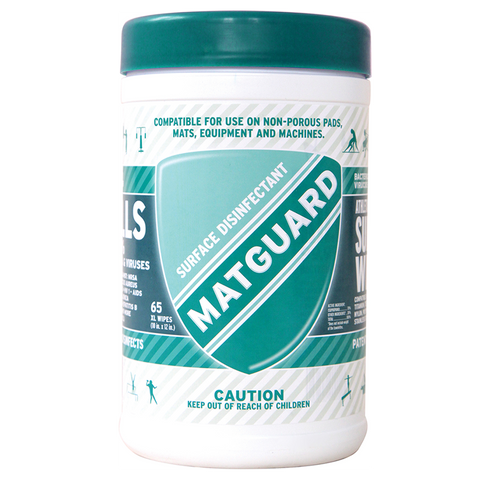
Stations may include hand sanitizer, tissues, trash cans, posted reminders, cleaning supplies, and disinfectant wipes for quick surface cleaning.
Accessibility matters. Athletes, coaches, trainers, and staff should be able to clean hands, wipe down equipment, and dispose of trash without disrupting the flow of the facility.
Stock Essential Supplies
A facility can have great policies and still run into problems if supplies are missing.
Before opening, build an inventory list and decide how often supplies will be checked. Assign someone to monitor stock so cleaning products, first aid materials, and maintenance items do not run out during a busy week.
Cleaning and Disinfecting Products
Cleaning and disinfecting supplies should match how the facility is used.
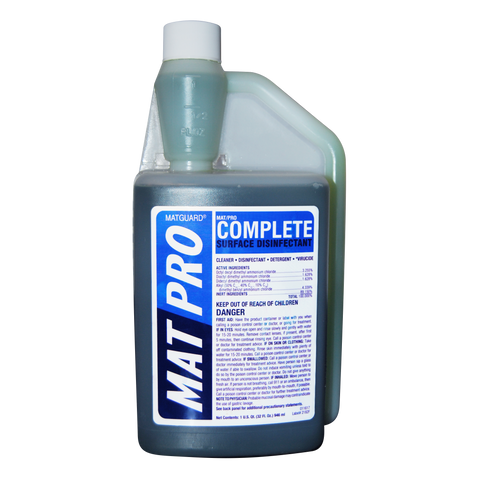
Stock products for mats, floors, locker rooms, restrooms, training tables, equipment rooms, and shared gear. Make sure staff understand the difference between cleaning and disinfecting. Cleaning removes dirt and buildup. Disinfecting targets specific germs on surfaces when products are used correctly.
Review product labels for contact times, surface compatibility, dilution instructions, and safety requirements.
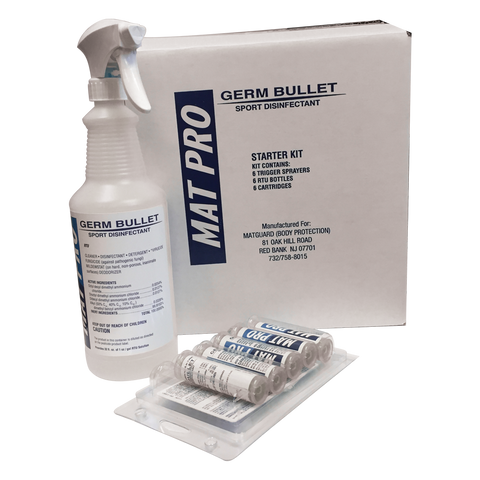
For athletic gear, helmets, and pads, keep a practical helmet and pad spray available so equipment care becomes part of the regular routine.
PPE and Safety Supplies
Personal protective equipment should be available for staff who need it.
Depending on the facility, this may include gloves, masks, eye protection, aprons, spill cleanup supplies, and other safety items. PPE should be stored in an obvious location and replaced when inventory gets low.
Staff should also know when PPE is required, not just where it is kept.
First Aid Materials
First aid supplies should be stocked, visible, and easy to access.
Include basic materials such as bandages, gauze, gloves, antiseptic supplies, cold packs, athletic tape, emergency contact forms, and incident report forms. If your facility has an AED, make sure it is installed, inspected, and clearly marked.
Do not assume staff know where everything is. Review first aid locations during training.
Facility Maintenance Items
Small maintenance problems can become bigger problems fast.
Keep basic items on hand, such as trash bags, mop heads, paper products, replacement batteries, signage, floor marking tape, repair tools, and storage labels.
The goal is to fix small issues quickly before they interfere with daily operations.
Train Your Staff Before Opening
Staff training should happen before athletes arrive.
A new facility can look ready from the outside, but if staff are unsure what to do, the operation will feel messy fast. Training helps everyone understand the standards, the schedule, and their role.
Cleaning Expectations
Staff should know exactly what needs to be cleaned, when it needs to be cleaned, and which products to use.
Review daily and weekly cleaning checklists. Show staff where supplies are stored. Explain contact times, product labels, and documentation procedures.
This is especially important for high-touch areas and shared equipment. The easier the process is to understand, the more likely it is to be followed.
Emergency Procedures
Emergency training should cover injuries, illness concerns, severe weather, facility issues, and communication steps.
Staff should know who takes the lead, who calls for help, who clears the area, and who documents the incident. Practice scenarios if possible.
Clear emergency procedures help people stay calm when something actually happens.
Equipment Use Policies
Every facility needs rules for equipment use.
This includes who can use certain areas, whether supervision is required, how equipment should be returned, what athletes should report, and what happens when gear is damaged.
Equipment policies protect athletes and help extend the life of your investment.
Communication Standards
Communication should be consistent from day one.
Staff should know how to report problems, who receives updates, how schedules are shared, and how families or athletes are notified about changes.
Good communication prevents small issues from turning into confusion.
Educate Athletes and Families
Athletes and families need to understand the rules too.
Before the facility gets busy, explain expectations clearly. This may include facility hours, entry procedures, equipment rules, hygiene expectations, locker room policies, reporting injuries, and respecting shared spaces.
Do not make the message overly complicated. People are more likely to follow rules when they are simple, visible, and repeated often.
Make it clear that facility safety is a shared responsibility. Staff can create the system, but athletes and families play a role in keeping the space clean, organized, and respectful.
Conduct a Final Walkthrough
Before opening day, do one final walkthrough with key staff members.
Test the facility like it is already in use. Open doors. Check signage. Review cleaning stations. Walk through emergency procedures. Inspect equipment. Confirm supplies. Make sure staff know where everything is.
Use the walkthrough to identify gaps.
Ask questions like:
-
Are cleaning supplies stocked and easy to access?
-
Are first aid materials ready?
-
Are traffic patterns clear?
-
Are storage areas organized?
-
Are emergency contacts and procedures available?
-
Does every staff member understand their role?
-
Are high-touch surfaces included in the cleaning plan?
Fixing these issues before opening day is much easier than trying to solve them with athletes, coaches, and families already in the building.
Conclusion
Opening a new athletic facility is exciting, but preparation is what makes it successful.
The best facilities do not just look good on day one. They operate smoothly because expectations are clear, staff are trained, equipment is ready, supplies are stocked, and safety procedures are already in place.
A strong opening checklist gives your team a better start and creates a foundation for long-term success.