

The Science of Sweat: Why Clean Gear Matters More Than You Think
The Hidden Side of Sweat
Picture this: a long football practice under the lights, hours of contact drills, and the familiar sound of shoulder pads hitting. By the end, your gear is soaked and the locker room carries that unmistakable “post-practice smell.” Everyone shrugs it off as normal—but what’s happening inside that sweat-soaked equipment is anything but harmless.
Sweat itself isn’t the problem. The real issue is what grows on it afterward. Warm, damp gear becomes a perfect habitat for bacteria, yeast, and fungi. Once they take hold, they spread fast—from one surface, one player, and one piece of gear to the next.
Let’s break down what really happens when you leave sweat on your equipment—and why regular cleaning is about more than just odor.
What Sweat Actually is (and Isn’t)
Sweat is mostly water, but it also carries salts, proteins, and oils from your body. Those extra compounds are what make sweat such an ideal food source for bacteria. When bacteria feed on these materials, they release acids and gases—the real cause of that strong, sour smell after a long workout.
The odor doesn’t come from the sweat itself; it comes from the microscopic life feeding on it. In intense conditions, athletes can produce up to a liter of sweat per hour. That means constant moisture buildup inside helmets, pads, gloves, and shoes—all of which trap heat and limit airflow.
Without proper cleaning, that trapped sweat turns into a living environment for germs that thrive in warmth and humidity.
How Bacteria Thrive on Damp Gear
Warmth + Moisture = Growth
Inside every gym bag and locker room, the conditions are nearly identical to what bacteria love most—warmth, darkness, and moisture. Gear that never fully dries gives microbes everything they need to grow.
Common culprits include Staphylococcus aureus (a leading cause of MRSA) and Trichophyton, the fungus behind athlete’s foot and ringworm. Think of your gym bag as a miniature petri dish—every drop of leftover sweat is an open invitation for bacteria to multiply.
The 24-Hour Window
It doesn’t take long for that growth to get out of control. Within just 24 hours, bacteria on a damp surface can multiply by the thousands. Air drying alone isn’t enough to stop it—it simply slows the process down.
The longer you wait to clean your gear, the more bacteria have already won. By the next practice, that “locker room smell” isn’t just unpleasant—it’s a sign of bacterial buildup spreading across your equipment.
The Real Risks — Not Just Smell
That post-practice odor might seem like an inconvenience, but it’s actually a warning sign. Sweat-soaked gear can harbor bacteria and fungi that cause real health issues—and even damage the equipment athletes rely on every day.
Skin Infections and MRSA
One of the biggest threats in athletic environments is staph infection. These bacteria spread quickly through contaminated gear, benches, and shared equipment. In close-contact sports like football or wrestling, one player’s unclean pads or helmet can expose an entire team.
MRSA (Methicillin-Resistant Staphylococcus aureus) is a particularly dangerous strain because it resists common antibiotics. Once it enters a cut or scrape, it can cause painful, persistent infections that require medical treatment. Regular gear cleaning and personal hygiene are the best defense.
Respiratory and Allergy Irritation
Bacteria and mildew don’t just live on surfaces—they also release airborne compounds that can irritate the skin, eyes, and lungs. These odors contain volatile organic compounds (VOCs) that trigger coughing, sneezing, or skin inflammation.
For athletes with asthma, eczema, or seasonal allergies, that “musty locker room air” can actually make symptoms worse. Keeping equipment clean and well-ventilated helps improve air quality and overall comfort.
Gear Degradation
Health isn’t the only thing at risk—dirty gear wears out faster, too. Sweat’s salts and oils slowly break down foams, fabrics, and adhesives, causing padding to harden, straps to loosen, and materials to lose their protective structure.
Cleaning isn’t just about staying healthy—it’s about protecting your investment. Regular disinfection extends the lifespan of expensive equipment and helps it perform the way it was designed to.
How to Break the Cycle
Once you understand how fast bacteria multiply, breaking the cycle becomes simple: clean, dry, and repeat.
Clean After Every Practice
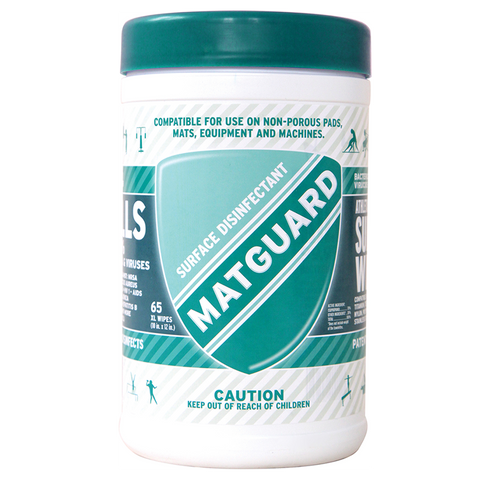
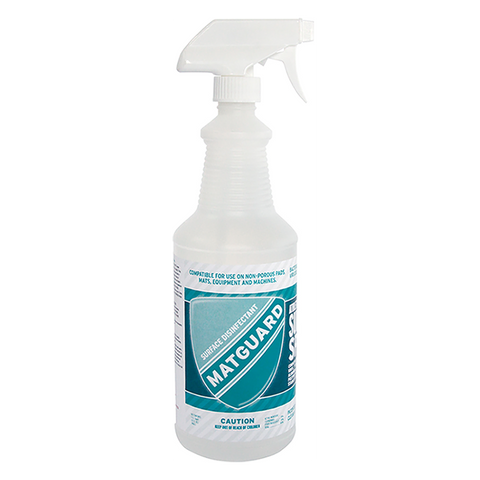
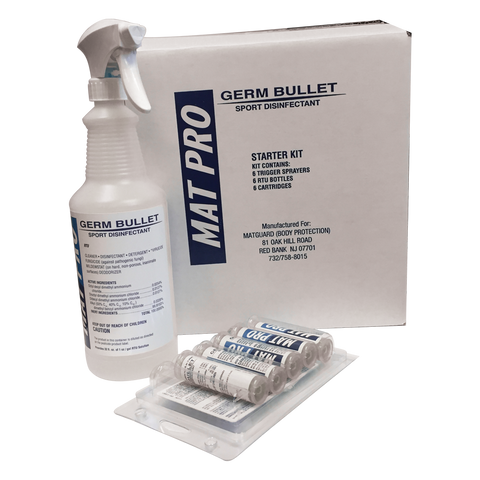
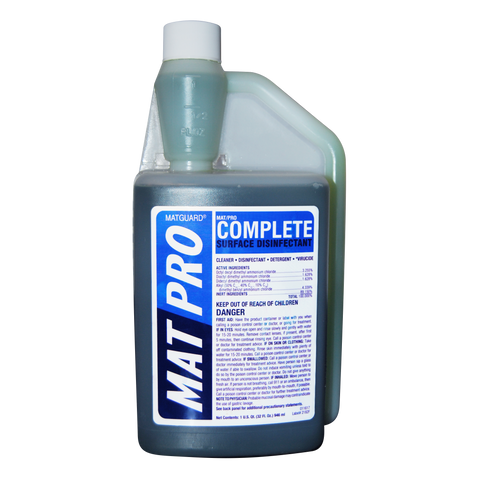
After each session, spray down helmets, shoulder pads, gloves, and shoes with an alcohol-based disinfectant. Look for products that are safe on skin and fabrics, like Matguard’s disinfectant wipes and disinfectant sprays. They kill bacteria effectively without leaving residue or damaging materials.
Let It Breathe
Moisture is the enemy of clean gear. Open bags, unstrap pads, and let air circulate after every use. If possible, keep fans or ventilation running in locker areas to reduce humidity and help equipment dry faster. A few minutes of airflow can stop hours of bacterial growth.
Wash What You Can
Undershirts, towels, and compression gear should be washed immediately after every practice or game in hot water with a disinfectant detergent. These items stay closest to the skin, which means they carry the most bacteria and sweat buildup.
If it touches your skin, it needs cleaning.
The Science-Backed Bottom Line
Sweat itself isn’t the problem—it’s what bacteria do with it that causes issues. Regular disinfection and drying prevent those microbes from multiplying and spreading. The payoff is better health, fresher gear, and fewer infections across the team.
A cleaner locker room isn’t just a nicer place to be—it’s a healthier, safer one.
Stay Protected with Matguard
Matguard’s alcohol-based sprays and disinfectant wipes are engineered to kill bacteria where it starts—on sweat-soaked gear. Trusted by schools, gyms, and athletic programs nationwide, Matguard helps athletes stay safe, confident, and ready to play.