

Summer Storage Tips for Sports Equipment
The end of the season does not mean sports equipment should be tossed into a garage, locker, closet, or equipment room and forgotten until next year.
Summer heat, humidity, leftover sweat, and trapped moisture can create major odor problems. Dirty gear can also develop mold, mildew, and bacteria buildup when it sits for weeks or months without being cleaned.
Cleaning equipment before storage helps protect the gear, reduce odors, and make the next season easier to start. Instead of opening a bag full of stale pads, damp helmets, or smelly gloves, athletes and teams can bring out equipment that is cleaner and ready to inspect.
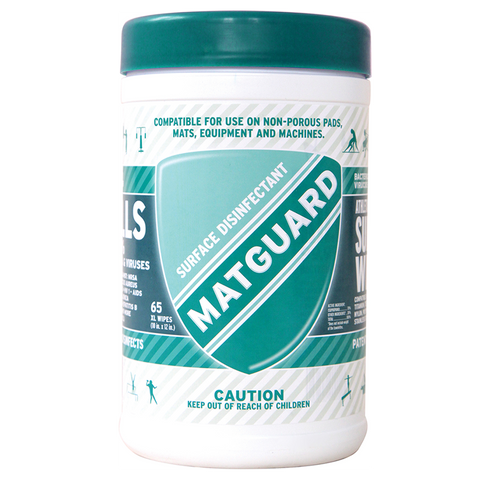
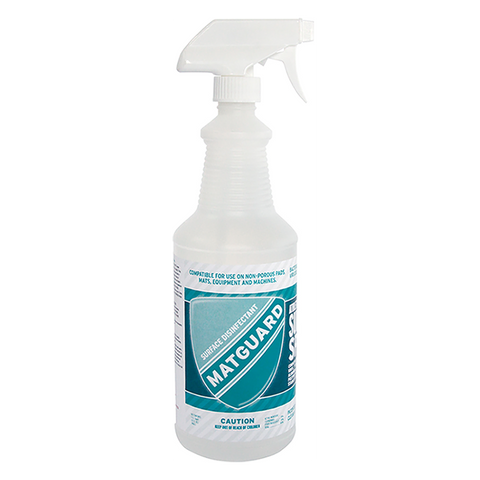
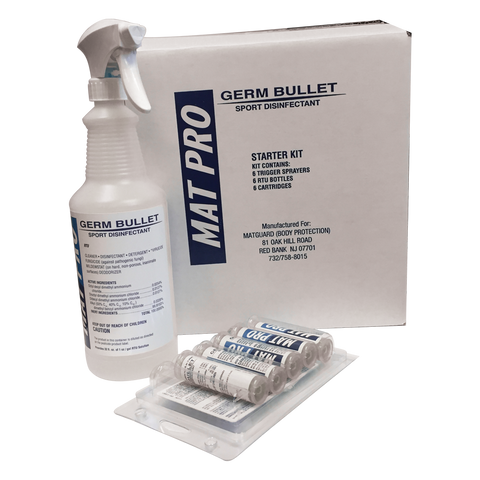
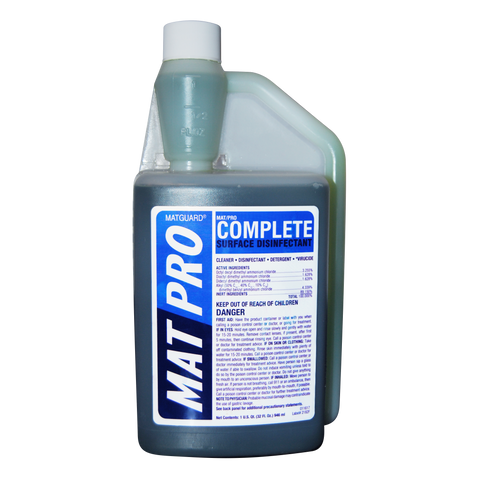
Matguard disinfectant sprays and disinfectant wipes are helpful tools for end-of-season cleaning because they make it easier to disinfect high-touch sports equipment before it goes into storage.
Quick Answer: How Should You Store Sports Equipment During the Summer?
Before storing sports equipment for the summer, clean everything first. Remove dirt, sweat, and visible grime from helmets, pads, gloves, bags, and shared gear.
Then disinfect high-touch surfaces with Matguard disinfectant spray or Matguard disinfectant wipes. Focus on areas that touch skin, hands, sweat, or shared surfaces.
Let everything dry completely before storage. Damp gear should never be packed away.
Store equipment in a cool, dry location with airflow when possible. Keep gear off damp floors, avoid sealed plastic bags for wet or recently cleaned equipment, and inspect everything before the next season begins.
Why Summer Storage Matters
Heat Speeds Up Odor Growth
Heat makes leftover sweat and grime smell worse. If equipment is stored in a hot garage, attic, car trunk, or outdoor shed, odors can become much harder to remove later.
Moisture Gets Trapped
Moisture is one of the biggest problems in summer storage. Damp pads, gloves, helmets, bags, and protective gear can stay wet inside enclosed spaces.
Once moisture is trapped, equipment can smell musty and feel unpleasant when it is pulled out again.
Dirt Continues Breaking Down Equipment
Dirt, clay, grass, sweat, and body oils do not just sit there. Over time, buildup can make materials look worn, feel sticky, and become harder to clean.
Cleaning before storage helps remove grime before it settles in for months.
Mold and Mildew Can Develop
When dirty or damp gear is stored in a warm, poorly ventilated space, mold and mildew can become a problem.
This is especially common in equipment bags, padding, gloves, and anything with fabric, foam, or straps.
Equipment May Sit for Months
Sports equipment can sit untouched for an entire summer. If it goes into storage dirty, it will likely come out smelling worse.
A little cleanup at the end of the season can save a lot of frustration later.
Equipment That Should Always Be Cleaned Before Storage
Some gear should never be packed away dirty.
Clean and dry these items before summer storage:
-
Helmets
-
Shoulder pads
-
Shin guards
-
Batting helmets
-
Catcher’s gear
-
Hockey equipment
-
Lacrosse gear
-
Wrestling headgear
-
Gym mats
-
Protective padding
-
Equipment bags
Any equipment that touches sweat, skin, hands, turf, mats, locker rooms, benches, or shared surfaces should be cleaned before it is stored.
Step 1: Clean Equipment Before Storing It
Start by removing dirt, sweat buildup, and visible grime.
Wipe down hard surfaces, clean straps, brush away dried mud or clay, and pay attention to areas that touch the body. Sweatbands, padding, chin straps, handles, gloves, and interior helmet padding often need extra attention.
After removing visible buildup, disinfect high-touch surfaces with Matguard disinfectant spray or Matguard disinfectant wipes.
Wipes are useful for quick surface cleaning, while spray works well for larger equipment areas or end-of-season cleaning routines.
Step 2: Let Everything Dry Completely
Do not rush this step.
Sports equipment should be fully dry before it goes into storage. Air drying is usually best. Place gear in a well-ventilated area and give padding, straps, gloves, and bags enough time to dry naturally.
Avoid packing damp gear into sealed containers right after cleaning. That traps moisture and can lead to odor, mildew, and musty equipment.
Ventilation matters. If air cannot move around the gear, it will take longer to dry.
Step 3: Choose the Right Storage Location
The best storage location is cool, dry, and well ventilated.
Good options include:
-
Climate-controlled rooms
-
Dry basements
-
Equipment rooms
-
Shelving instead of floors
Try to avoid:
-
Hot attics
-
Damp garages
-
Outdoor sheds
-
Areas with poor ventilation
If you need to use a garage or basement, keep equipment off the floor. Shelving, hooks, open bins, and racks are better than placing gear directly on concrete or damp surfaces.
Step 4: Organize Equipment Properly
Keep Similar Equipment Together
Group helmets with helmets, pads with pads, gloves with gloves, and uniforms or soft goods separately. This makes it easier to inspect and find everything later.
Label Storage Bins
Label bins by sport, team, size, season, or player. This is especially helpful for schools, teams, and families with multiple athletes.
Separate Clean and Dirty Equipment
Do not mix cleaned gear with items that still need attention. If something was missed, clean it before it gets packed with the rest.
Do Not Stack Heavy Equipment on Delicate Gear
Heavy helmets, pads, or bins can crush gloves, foam padding, straps, and smaller protective items. Store delicate gear where it will not be bent, compressed, or damaged.
Step 5: Check Equipment Before the Next Season
Before athletes start using stored gear again, inspect everything.
Look for:
-
Cracks
-
Loose straps
-
Worn padding
-
Broken buckles
-
Odors
-
Mold
-
Moisture damage
If equipment smells bad, feels damp, or looks dirty, clean it again before use.
Storage helps protect gear, but it does not replace preseason inspection. Damaged protective equipment should be reviewed before it goes back into play.
Common Summer Storage Mistakes
Storing Dirty Equipment
Dirty equipment only gets worse in storage. Sweat, dirt, and grime should be removed before gear is packed away.
Packing Damp Gear
Damp gear can develop musty odors, mildew, and moisture damage. Always let equipment dry completely first.
Using Plastic Bags Without Ventilation
Plastic bags can trap moisture, especially if equipment is not fully dry. Breathable storage or open bins are often better for gear that needs airflow.
Leaving Equipment in Hot Vehicles
Cars and trunks get extremely hot in summer. Leaving equipment there can make odors worse and may damage some materials.
Forgetting to Clean Equipment Bags
Equipment bags collect sweat, dirt, grass, mud, and odors too. Empty the bag, shake out debris, wipe it down, disinfect high-touch areas, and let it dry.
Ignoring Helmet Padding
Helmet padding touches sweat and skin directly. Clean and dry helmet interiors before storage, not just the outside shell.
Summer Storage Tips for Teams and Schools
Teams and schools should treat summer storage as part of the end-of-season process.
Start with an equipment inventory. Check what needs to be cleaned, repaired, replaced, or discarded. Create a cleaning schedule so the job does not get pushed off until the week before next season.
Use a storage checklist for helmets, pads, mats, bags, uniforms, and shared gear. Label shared equipment by size, sport, team, or season.
Assign staff responsibilities so everyone knows who is cleaning, inspecting, organizing, and storing each type of equipment.
Keep Matguard disinfectant sprays and disinfectant wipes available during the cleanup process so staff can disinfect gear before it is stored.
Tips for Parents
Parents should clean equipment before putting it away for the summer, even if the season feels completely over.
Take gear out of bags, wipe down helmets and pads, clean gloves and shin guards, and let everything dry thoroughly. Do not store equipment while it is still damp from sweat, rain, or cleaning.
Choose a storage area where air can circulate. Avoid sealing sweaty gear in bags or bins.
Before fall practices or the next season, check everything again. Look for odor, cracks, worn padding, broken straps, missing pieces, or anything that may need to be replaced.
Why Cleaning Before Storage Makes Next Season Easier
Cleaning equipment before summer storage saves time later.
It helps reduce odor, limits old grime, and keeps shared gear in better condition. It can also extend the useful life of equipment by preventing months of sweat and dirt from sitting on materials.
For teams and schools, clean storage makes preseason prep faster. Coaches and equipment managers are not stuck opening smelly bags, sorting dirty pads, or trying to clean everything at the last minute.
For parents, it means less stress when the next season starts.
A simple end-of-season cleaning routine leads to cleaner gear, better organization, and a smoother return to play.
Frequently Asked Questions
Should sports equipment be cleaned before storing it?
Yes. Sports equipment should be cleaned and dried before storage. Removing sweat, dirt, and grime helps reduce odors and keeps gear in better condition.
Can sports equipment grow mold during summer?
Yes, especially if it is stored damp, dirty, or in a poorly ventilated area. Warm and humid storage spaces can make mold and mildew more likely.
Where is the best place to store sports equipment?
A cool, dry, well-ventilated space is best. Climate-controlled rooms, dry basements, shelves, racks, and organized equipment rooms are better than hot attics or damp garage floors.
Is a garage okay for storing sports equipment?
A garage can work if it is dry and the equipment is fully cleaned and dried first. Keep gear off the floor and avoid sealing damp items in plastic bags or bins.
Should helmets be disinfected before storage?
Yes. Helmets should be cleaned, disinfected, and allowed to air dry before storage. Pay attention to interior padding, chin straps, ear areas, and the outside shell.
How do you prevent sports equipment from smelling?
Clean equipment after use, disinfect high-touch surfaces, let everything dry completely, and store gear in a place with airflow. Do not store sweaty or damp gear in closed bags.
Can disinfectant wipes be used before storing equipment?
Yes. Matguard disinfectant wipes are useful for wiping down high-touch surfaces before storage. Matguard disinfectant spray can also be used as part of a more thorough cleaning routine.
How often should stored equipment be inspected?
Inspect equipment before storage and again before the next season. Teams and schools may also want to check stored equipment periodically during the offseason.
Conclusion
Proper summer storage starts before the equipment goes into the closet, garage, locker, or equipment room.
Clean and disinfect sports equipment first. Remove sweat, dirt, grime, and moisture so gear does not sit dirty for months.
Matguard disinfectant sprays and disinfectant wipes make end-of-season cleaning faster and easier for athletes, parents, coaches, schools, and athletic facilities.
Explore Matguard disinfectant products to build a cleaner summer equipment storage routine and make next season easier from day one.