

Stop Sharing Items Spreading Skin Infections
Most team skin infections don’t start with “bad luck.” They start with shared stuff—towels, razors, tape, loaner gear, and anything that touches skin, sweat, or an open scrape.
This post covers the most common shared items that spread skin infections on teams, what to do instead, and simple habits teams can actually enforce without turning practice into a lecture.
Quick safety note: this isn’t medical advice—if a rash or sore is spreading, painful, draining, or paired with fever, get evaluated.
Why Shared Items Spread Skin Infections So Easily
Skin-to-skin contact is only half the problem
Bacteria and fungi don’t need a tackle to spread. They transfer to objects, then jump to the next athlete who uses that item.
Sweat, friction, and small cuts (turf burns, blisters, shaving nicks) make it easier for infections to take hold because they create easy entry points.
“Looks clean” is not the same as clean
A quick wipe with a dry towel doesn’t do anything. It might move sweat around, but it doesn’t remove what matters.
Warm, damp environments also keep microbes around longer. Wet towels, sweaty gear, and sealed-up bags are where problems hang out between practices.
The team effect
One shared item can expose 10–30 athletes in a day. That’s why this spreads fast when teams don’t have hard rules.
Stop Sharing This: The High-Risk List (And What To Do Instead)
Towels (the biggest offender)
-
Why it’s risky: Direct contact with skin + sweat + reused by multiple people.
-
Do instead: Personal towel only. One athlete, one use, straight into a laundry bag.
-
Enforcement tip: Make “no towel lending” a hard rule. For emergencies, bring single-use backups—never a shared towel pile.
Razors and clippers
-
Why it’s risky: Micro-cuts + direct contamination from blades and clipper heads.
-
Do instead: Never share razors. If clippers are used, sanitize between users and use guards, or keep clippers personal.
-
Enforcement tip: Put a locker room sign up and repeat it before travel: “No shared razors or clippers.”
Bar soap and shared shower products
-
Why it’s risky: Everyone touches it and it sits wet, which makes sharing effortless.
-
Do instead: Use a liquid soap pump or personal travel bottles.
-
Enforcement tip: Remove community soap from showers so it can’t become a shared item.
Deodorant sticks
-
Why it’s risky: Direct skin contact and reuse.
-
Do instead: Personal deodorant only. Spray deodorant is fine, but it’s still personal.
-
Enforcement tip: Simple rule coaches can repeat: “If it touches skin, it’s yours.”
Water bottles, mouthguards, and helmet chin straps (accidental swaps)
-
Why it’s risky: Saliva + skin contact + fast mix-ups when gear gets tossed in a pile.
-
Do instead: Label everything and assign storage spots. Never “borrow” a bottle or mouthguard, and don’t swap chin straps.
-
Enforcement tip: Use color tape + name labels, then do a 30-second end-of-practice check before players leave.
Athletic tape rolls and taping station tools
-
Why it’s risky: Hands touch skin, then touch the tape roll, scissors, and counters—now everyone touches it.
-
Do instead: Use athlete-specific tape rolls or controlled dispensing, and sanitize scissors/counters regularly.
-
Enforcement tip: Keep the station trainer-managed and disinfect between groups (position drills, after practice, etc.).
Roller sticks, massage guns, and shared rehab tools
-
Why it’s risky: Used on skin, often on irritated areas, then handed to the next athlete.
-
Do instead: Wipe/disinfect between athletes. When possible, assign personal rollers for daily use.
-
Enforcement tip: Add a “clean before return” bin so tools don’t go back into circulation dirty.
Pads and loaner gear (shoulder pads, gloves, practice jerseys)
-
Why it’s risky: Sweat traps + reused without consistent cleaning and dry time.
-
Do instead: Minimize sharing. If loaners exist, treat them as high-risk and clean after every use, then fully dry before storing.
-
Enforcement tip: Require a loaner sign-out and attach a simple cleaning checklist to the loaner rack.
Wrestling/cheer/gym mats and turf-touch items (kneepads, elbow pads)
-
Why it’s risky: Repeated contact with abrasions; surfaces can hold contamination if cleaning is inconsistent.
-
Do instead: Disinfect mats consistently and cover abrasions. Clean kneepads/elbow pads routinely like practice gear.
-
Enforcement tip: Assign one responsible person per day and keep a basic cleaning log so it actually happens.
The “Stop Sharing” Team Rules That Actually Work
The simple rule athletes remember
You don’t need a 3-page policy. You need two lines players can repeat without thinking:
-
If it touches skin, it’s personal.
-
If it touches sweat, it gets cleaned.
That covers almost everything. Towels, razors, deodorant, mouthguards, water bottles, gloves, chin straps, pads—if it touches a body, it doesn’t get passed around. And if it’s sweaty or high-touch, it doesn’t go back into circulation without cleaning.
Labeling system
Labeling sounds basic, but it prevents most “accidental swaps.”
-
Put names on bottles, towels, chin straps, gloves, and bags.
-
Use color tape plus a sharpie if you’re in a hurry.
-
Give everything a home: the same hook, cubby, or shelf every day.
Add a two-minute end-of-practice gear check. It’s quick: players grab their labeled items, coaches scan for anything left behind, and you stop the “who’s is this?” pile from becoming a shared pile.
Laundry and bag protocol
This is where teams quietly fail.
-
Separate clean and dirty. Dirty gear goes in a laundry bag inside the main bag.
-
Don’t re-wear compression gear. That’s a sweat trap that stays pressed against skin.
-
Prioritize dry time for pads and gloves. Air them out immediately and don’t stack damp gear back on a rack.
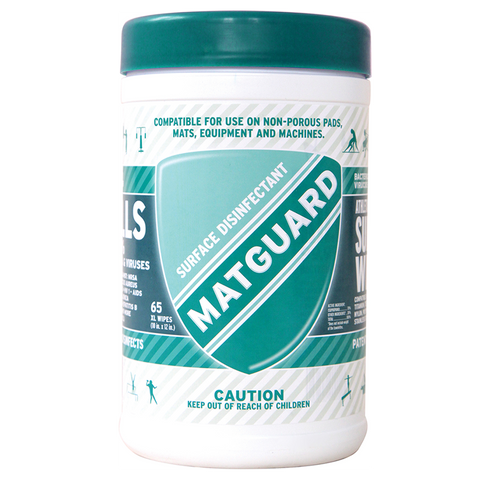
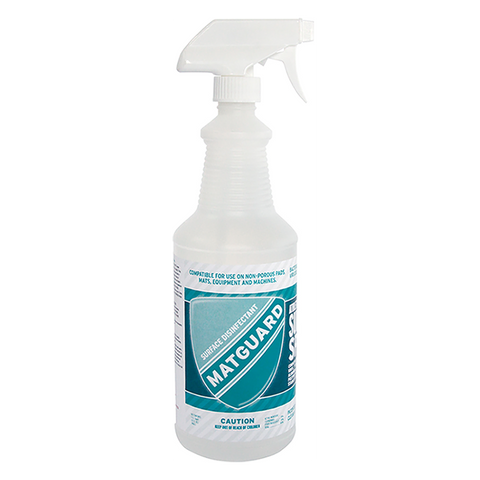
Make it easy to follow the rules—keep Matguard antibacterial body wipes in player bags for post-practice cleanups, and keep Matguard disinfectant wipes/spray at taping stations and equipment exits.
FAQ
What’s the biggest item that spreads skin infections on teams?
Towels. They touch skin directly, soak up sweat, and get shared constantly when teams don’t have strict rules.
Can you get staph or ringworm from towels?
Yes. Towels are one of the easiest ways to transfer skin issues between athletes because they’re direct-contact and often reused.
Do disinfectant wipes work on sports equipment?
They can, as long as you use them consistently and focus on the high-touch, high-sweat areas (and you don’t skip dry time for gear).
How often should shared rehab tools be cleaned?
After each athlete when possible. At minimum: after every practice day, plus extra attention during camp, tournaments, and outbreak situations.
What if we don’t have showers after practice?
Have a plan that works in the real world: wipe down immediately, change out of sweaty gear fast, and shower as soon as you’re home. The goal is to cut down the time sweat and friction sit on skin.
If you want fewer problems this season, keep it simple: stop sharing the high-risk items, clean touchpoints consistently, cover skin breaks, and make hygiene supplies easy to access.
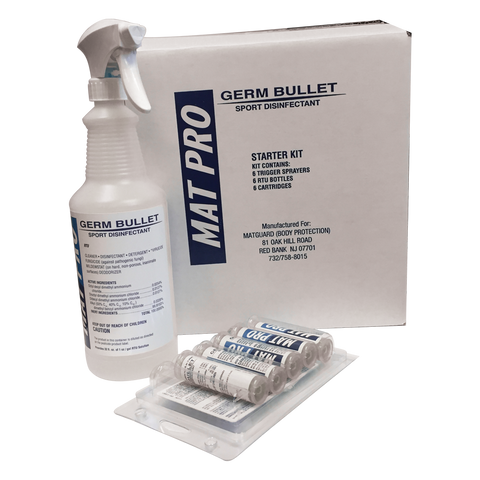
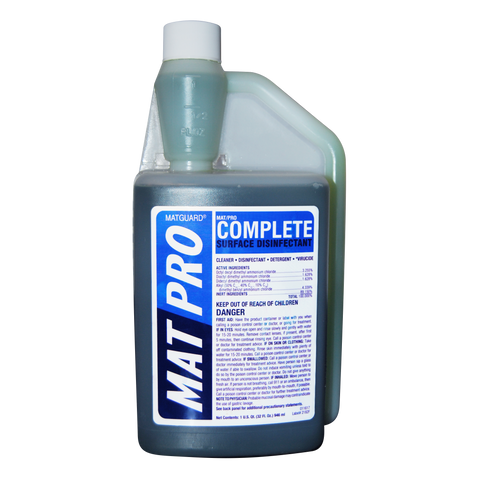
Stock Matguard antibacterial body wipes for athletes and Matguard disinfectant wipes/sprays for gear, surfaces, and shared stations—then run it as a routine, not a reminder.