

How Ski & Snowboard Rental Shops Should Handle Gear Hygiene
Ski and snowboard rental gear moves fast during peak season. Boots, helmets, poles, bindings, benches, and fitting tools get handled over and over, often by customers coming in from snow, sweat, and wet outerwear.
The goal is not to overcomplicate the process. A smart hygiene system uses disinfectant wipes for fast touchpoints and disinfectant spray for fuller gear coverage, so your team can keep rentals moving without skipping cleaning.
Why Gear Hygiene Matters in Ski & Snowboard Rental Shops
Shared gear creates repeated contact
Boots, helmets, goggles, poles, and bindings are handled by multiple customers every day. Even if the gear looks clean, the touchpoints still need attention between rentals.
The more people using the same equipment, the more important it becomes to have a repeatable cleaning process.
Moisture makes hygiene harder
Snow, sweat, and wet outerwear create the perfect setup for odor and buildup. Boots and helmets are especially vulnerable because they trap moisture against liners, padding, straps, and footbeds.
If wet gear gets stacked or stored too quickly, it can smell worse and become harder to reset for the next customer.
Clean gear improves customer confidence
Customers notice clean boots, helmets, counters, and fitting areas. They also notice odor, wet benches, sticky touchpoints, and messy return zones.
A clean rental process makes your shop look more organized and professional, especially during peak season when things get busy fast.
What Ski & Snowboard Gear Should Be Cleaned Between Rentals
Ski and snowboard boots
Boots should be cleaned between rentals because they have the most direct contact with customers. Focus on interior contact areas, buckles, straps, outer shells, and footbeds.
The inside of the boot matters, but so does the outside. Customers and staff handle shells, clips, and buckles constantly during fittings and returns.
Helmets
Helmets need attention because they touch hair, skin, sweat, hats, and hands. Clean interior padding, straps, clips, adjustment systems, and outer shell touchpoints.
Allow helmets to dry properly before placing them back on the ready rack.
Snowboards and skis
Skis and snowboards may not have the same body contact as boots or helmets, but they still get handled often. Focus on bindings, topsheets, carry points, and areas staff touch during adjustment.
Bindings are especially important because customers and employees handle them throughout the rental process.
Poles and accessories
Poles, goggles, and small rental add-ons are easy to overlook. Clean grips, straps, baskets, goggles, and anything that gets passed from customer to customer.
Small items can move through the shop quickly, so they need a simple reset process too.
Use the Wipe vs Spray System
Disinfectant wipes for fast touchpoints
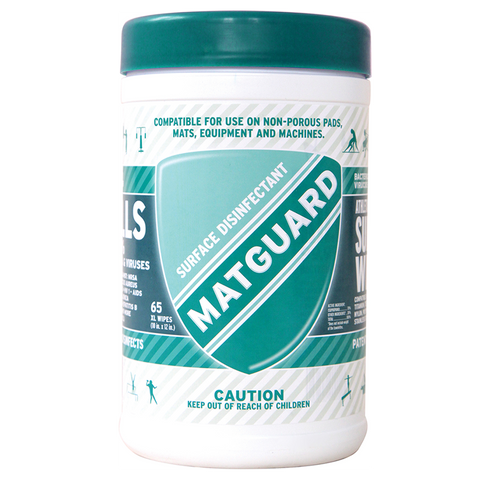
Disinfectant wipes are best for quick resets during busy periods. Use them on buckles, straps, handles, counters, benches, fitting tools, card readers, pens, clipboards, and other high-touch areas.
Keep disinfectant wipes stocked at fitting benches, return counters, and ready racks so staff can reset high-touch areas quickly.
Disinfectant spray for full coverage
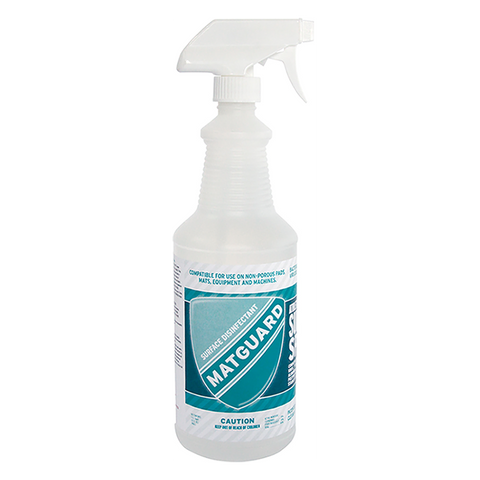
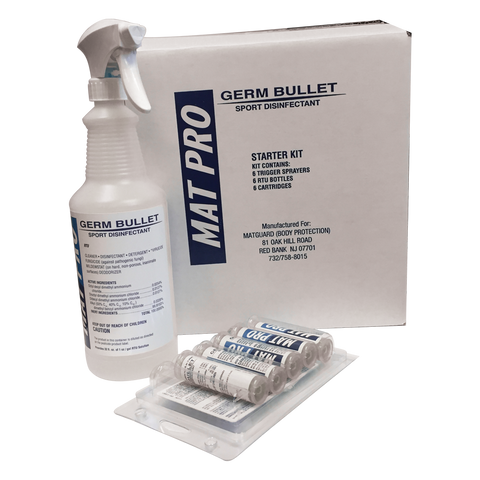
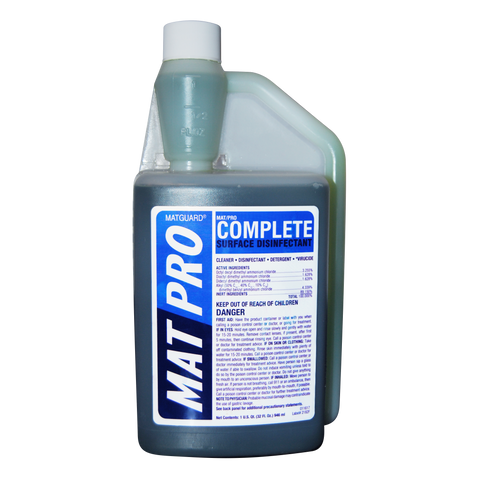
Disinfectant spray is better for fuller coverage on larger surfaces and awkward shapes. Use it on boots, helmets, padding, seams, shells, gear surfaces, and hard-to-reach areas.
Use disinfectant spray at your main cleaning station for rental gear that needs fuller coverage before it goes back out.
Create a Dirty-to-Clean Workflow
Step 1: Intake returned gear
Start by inspecting returned gear. Look for moisture, dirt, damage, odor, missing parts, or anything that needs extra attention before it goes back into circulation.
Returned gear should go straight into a dirty return area, not onto the ready rack.
Step 2: Separate wet or heavily used items
Wet gear needs its own process. Do not mix wet boots, helmets, gloves, goggles, or accessories with clean gear.
Separate anything heavily used, visibly dirty, or damp so it can be cleaned and dried properly.
Step 3: Clean and disinfect
Use disinfectant spray for larger surfaces, seams, padding, shells, and full gear coverage. Then use disinfectant wipes for high-touch areas like buckles, straps, clips, handles, and adjustment points.
This keeps the process simple: spray for coverage, wipes for speed.
Step 4: Dry before storage
Avoid stacking wet boots, helmets, or gear immediately after cleaning. Dry time matters, especially in ski and snowboard shops where moisture is already part of the environment.
Use drying racks or designated drying zones so gear has space before going back into storage.
Step 5: Move to “Cleaned & Ready”
Once gear is cleaned and dry, move it to a clearly marked ready area. Use racks, tags, labels, or status cards so staff know what can go back out.
There should be no guessing between dirty, drying, and ready gear.
Fitting Area Hygiene Checklist
Benches and stools
Benches and stools get constant use during peak rental hours. Customers sit, adjust boots, set down gear, and touch the same surfaces over and over.
Wipe these areas frequently during busy periods, especially between groups.
Sizing tools and adjustment areas
Sizing tools, measuring devices, binding adjustment stations, and shared tools should be cleaned throughout the day.
These items may not look dirty, but they are touched repeatedly by staff and customers.
Counters and payment areas
The front counter is one of the highest-touch areas in the shop. Wipe card readers, pens, clipboards, tablets, touchscreens, and counter edges.
These surfaces should be reset throughout the day and again at closing.
Daily Cleaning Tasks for Ski Rental Shops
End-of-day boot reset
At the end of the day, reset boots before they sit overnight. Clean shells, buckles, straps, liners, footbeds, and boot racks.
This helps reduce odor and makes the next morning smoother.
Helmet and accessory reset
Spray or wipe helmets, straps, clips, goggles, and small add-ons. Check for anything damaged, damp, or not ready to go back out.
Accessories are easy to rush, but they still need a consistent cleaning process.
Rack and storage cleanup
Wipe rack touchpoints, bin handles, drying areas, and storage surfaces. Clean gear should not sit on dirty racks or inside dirty bins.
This is the daily reset that keeps the whole workflow cleaner.
Weekly Deep Cleaning Tasks
Boot storage and drying areas
Boot storage and drying areas can collect moisture, odor, dust, and grime. Clean under racks, around dryers, and around high-moisture zones.
This is especially important during peak season when boots are rotating constantly.
Helmet racks and accessory bins
Wipe shelves, hooks, baskets, bins, and helmet rack contact points. These areas hold cleaned gear, so they need to stay clean too.
Do not let the storage area undo the work your team already did.
Fitting zone detail cleaning
Once a week, go beyond quick wipes. Clean mirrors, rails, floors, baseboards, corners, and areas under benches.
These spots build up fast during ski season, especially when customers bring in snow, salt, and wet gear.
Common Hygiene Mistakes Ski Shops Make
Stacking wet gear too soon
Wet gear should not be stacked or stored immediately after cleaning. This traps moisture and can make odor worse.
Fix it by building dry time into the return process.
Only cleaning what looks dirty
Gear does not need to look dirty to need cleaning. Buckles, straps, padding, bindings, and handles still get touched constantly.
Fix it by cleaning touchpoints every time.
Mixing returned gear with ready gear
This creates confusion and makes it hard for staff to know what is clean. It also increases the chance of dirty gear going back out.
Fix it by using separate dirty, drying, and cleaned-ready zones.
Keeping supplies too far away
If disinfectant wipes and disinfectant spray are stored in the back, staff will not use them consistently when the shop is busy.
Fix it by placing supplies where the workflow actually happens: fitting benches, return counters, cleaning stations, and ready racks.
Frequently Asked Questions About Ski Rental Gear Hygiene
Should ski boots be disinfected after every rental?
Yes. Ski and snowboard boots should be disinfected after every rental, especially liners, buckles, straps, footbeds, shells, and other touchpoints.
How should helmets be cleaned between renters?
Helmets should be sprayed or wiped around padding, straps, clips, adjustment systems, and outer shell touchpoints. Then they should be given proper dry time before going back out.
What is the fastest way to clean during peak season?
Use disinfectant wipes for touchpoints and disinfectant spray for fuller gear coverage at a central cleaning station. This keeps the process fast without skipping the areas that matter.
Do skis and snowboards need disinfecting?
Yes, but focus on the areas people actually handle. Clean bindings, carry points, topsheets, adjustment areas, and any surfaces touched by customers or staff.
How do shops prevent clean and dirty gear from mixing?
Use separate return bins, drying racks, and clearly labeled cleaned-ready storage. Tags, signs, and color-coded zones help staff quickly see what stage each item is in.
Conclusion
Ski and snowboard rental hygiene comes down to a repeatable system: separate dirty gear, clean touchpoints, spray for coverage, allow dry time, and move items to a clearly marked ready area.
Stock disinfectant wipes where quick resets happen and keep disinfectant spray at the main cleaning station so your team can move fast without cutting corners.