

How Often Should Rental Gear Be Cleaned?
Rental gear gets used by multiple people, often back-to-back. That means every return is a potential hygiene risk if cleaning is inconsistent, rushed, or skipped.
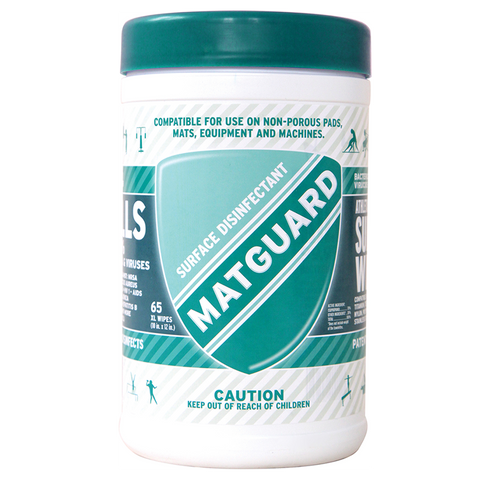
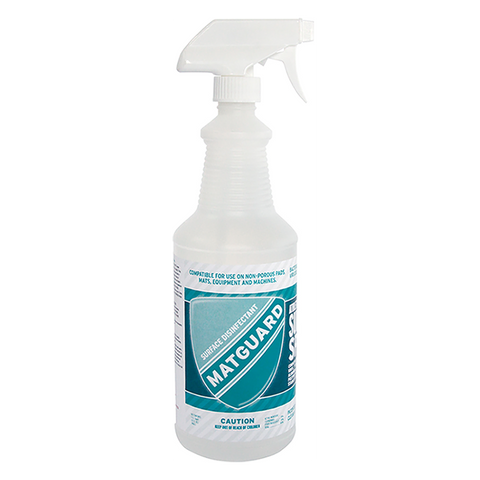
The short answer: rental gear should be cleaned between every use, with a daily reset and a deeper weekly routine. Using disinfectant wipes for quick touchpoints and disinfectant spray for full coverage helps your team keep up without slowing down operations.
Quick Answer: How Often Should Rental Gear Be Cleaned?
Between every rental
Every returned item should be disinfected before it goes back out. This is especially important for gear that touches hands, skin, sweat, clothing, or shared fitting areas.
Focus on two things: high-contact touchpoints and full gear coverage. Wipe the areas people grab, adjust, buckle, or lean on, then use spray for larger surfaces, seams, padding, and spots wipes may miss.
Daily cleaning
Daily cleaning is your end-of-day reset. This is when your team handles the surfaces and areas that may get overlooked during busy rental turnover.
Counters, racks, bins, card readers, tools, drying racks, and shared staff items should all be cleaned before closing. Think of it as resetting the shop for the next day.
Weekly deep cleaning
Weekly cleaning is where you catch the areas that do not get cleaned during regular turnover. Storage racks, shelves, bin handles, corners, and high-use accessories all need attention.
This does not need to be complicated. Schedule it, assign it, and keep it consistent.
What Needs to Be Cleaned Between Every Rental
High-touch points
High-touch points should be cleaned every time because they are handled constantly. These are the areas most likely to transfer grime, sweat, bacteria, or odor from one customer to the next.
Common high-touch points include:
- Handles
- Straps
- Buckles
- Touchscreens
- Counters
- Clips
- Rails
- Adjustment points
Use disinfectant wipes for fast, between-customer resets on anything hands touch frequently.
Full gear surfaces
Some items need more than a quick wipe. Gear with padding, seams, helmets, protective surfaces, seats, or body-contact areas should get fuller coverage before being rented again.
This includes:
- Padding
- Helmets
- Protective gear
- Seats
- Outer surfaces
- Seams
- Hard-to-reach areas
Use disinfectant spray to fully cover gear surfaces, seams, and areas wipes can miss.
Shared fitting areas
Fitting areas should be treated like part of the rental process, not a separate cleaning task. Customers sit, stand, adjust, try on, touch, and move around these areas all day.
Clean benches, stools, sizing tools, mirrors, rails, and other shared items regularly throughout the day, especially during high-traffic periods.
Daily Cleaning Tasks Rental Shops Should Not Skip
Front counter and POS area
Your front counter gets touched constantly. Customers lean on it, sign forms, use card readers, grab pens, and interact with staff.
Clean the card reader, touchscreen, pens, clipboards, counter edge, and any shared checkout tools at the end of each day. During busy seasons, these may need quick wipe-downs throughout the day too.
Gear processing areas
Your cleaning table, drying rack, storage bins, and ready rack are part of the hygiene system. If those areas are dirty, clean gear can pick up grime before it ever reaches the customer.
Wipe the cleaning station surface, spray or wipe drying rack contact points, and clean bin handles. These areas are easy to forget, but they matter.
Staff touchpoints
Staff touchpoints can carry contamination back into customer-facing areas. Radios, shared devices, door handles, counters, and break room surfaces all get used repeatedly.
Daily cleaning is your safety net when the shop gets busy and things get missed during turnover.
Weekly Deep Cleaning
Storage racks and inventory areas
Storage racks hold gear all week, so they need more than an occasional glance. Dust, moisture, grime, and buildup can collect on rack bars, hooks, shelves, and bin handles.
Once a week, wipe or spray these areas and check for anything that should be pulled, cleaned, repaired, or removed from circulation.
Dead zones
Every rental shop has dead zones. These are the spots behind racks, under benches, in corners, along baseboards, and near equipment storage where dirt collects quietly.
Build these into your weekly deep clean so they do not become long-term problem areas.
High-use shared items
Loaner gear, accessories, sizing tools, demo items, and small add-ons often get handled more than anyone realizes.
If something gets passed around repeatedly, it should be part of the weekly detail-cleaning routine, even if it is also wiped during the day.
Factors That Affect Cleaning Frequency
Type of gear
Skin-contact gear should be cleaned after every use. That includes helmets, pads, straps, wearable items, seats, and anything that touches sweat or skin.
Hard goods still need cleaning, but the focus may be more on handles, grips, controls, adjustment points, and other touch areas.
Volume of rentals
A slow day and a peak-season Saturday are not the same. Higher rental volume means more frequent cleaning cycles, more restocking, and tighter separation between dirty and clean items.
If your shop is busy, cleaning has to be part of the workflow, not something saved for later.
Environment
Indoor gyms, outdoor rental shops, humid spaces, wet-weather rentals, and sweat-heavy environments all create different cleaning needs.
Moisture, heat, and repeated body contact usually mean cleaning needs to happen more often and with better drying time built in.
Seasonality
Peak season requires stricter routines. When rentals increase, shortcuts become more tempting, but the risk of missed cleaning also goes up.
Before busy season starts, restock disinfectant wipes, disinfectant spray, tags, bins, gloves, and anything else your team needs to keep moving.
What Happens If You Don’t Clean Often Enough
Increased bacteria and odor
Moisture, sweat, and repeated handling create buildup fast. Even if gear looks fine, it can start to smell or feel dirty when cleaning is inconsistent.
Once odor sets in, it can be harder to fix than prevent.
Higher risk of skin infections
Shared rental gear can create hygiene concerns, especially in sports, fitness, and close-contact environments.
Anything that touches skin, sweat, hands, or shared surfaces should be cleaned consistently to reduce risk and keep gear safer between users.
Customer complaints and lost trust
Customers notice dirty gear immediately. They may not notice every good cleaning habit, but they will absolutely notice odor, grime, stains, or sticky surfaces.
Clean gear makes your shop look more professional. Dirty gear makes people question the entire operation.
Operational confusion
When there is no clear cleaning system, clean and dirty items get mixed. Staff waste time asking what is ready, what needs cleaning, and what should be pulled from circulation.
That confusion slows the shop down and increases mistakes.
How to Keep Up Without Slowing Down Your Shop
Use the “wipe vs spray” system
Keep it simple: wipes are for speed, spray is for coverage.
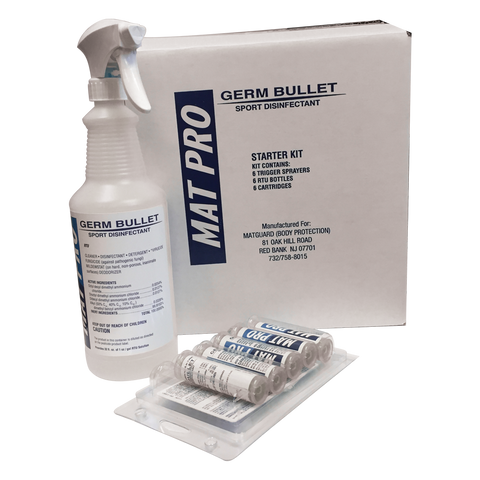
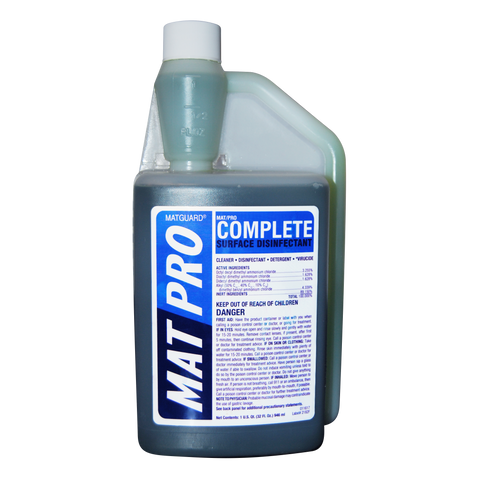
Use disinfectant wipes for quick resets on handles, straps, counters, benches, and touchpoints. Use disinfectant spray for gear surfaces, seams, padding, drying racks, and larger areas.
Stock disinfectant wipes at high-touch points and disinfectant spray at your cleaning station to keep the process fast and consistent.
Build cleaning into your workflow
Cleaning should happen during turnover, not later. When returned gear comes in, it should move through the same process every time: inspect, clean, dry, tag, and return to the ready area.
Do not let dirty gear pile up unless it is clearly separated and labeled.
Set clear responsibilities
Assign cleaning responsibilities by zone or shift. One person can handle returns, another can manage fitting-area resets, and another can check the ready rack.
If everyone is responsible, cleaning usually becomes no one’s responsibility.
Keep supplies visible
If supplies are within reach, they get used. If they are hidden in a closet, they get skipped.
Place wipes at counters, fitting areas, and ready racks. Keep spray at the main cleaning station where full gear coverage happens.
Frequently Asked Questions About Cleaning Rental Gear
These are the most common questions rental shops ask about how often gear should be cleaned and what really matters.
Do we really need to clean after every rental?
Yes. Anything that touches hands, skin, sweat, clothing, or shared surfaces should be cleaned before the next customer uses it.
Is wiping enough?
Wipes are great for touchpoints, but full gear coverage usually requires spray. Use wipes for speed and spray for seams, padding, larger surfaces, and hard-to-reach areas.
What if we’re too busy?
At minimum, wipe touchpoints, spray main surfaces, allow dry time, and keep dirty and clean gear separated. Busy days are exactly when a simple system matters most.
Do all items need the same cleaning frequency?
No. High-contact and skin-contact gear needs more frequent cleaning than low-contact items. Still, every rental item should be checked and cleaned as needed before going back out.
How do we know if we’re cleaning enough?
You are on the right track if your process is consistent, visible, easy for staff to follow, and built into turnover. If staff have to guess, the system needs to be simplified.
Conclusion
Rental gear should be cleaned between every use, with daily resets and weekly deep cleaning built into your routine. When your team uses disinfectant wipes for quick touchpoints and disinfectant spray for full coverage, cleaning becomes fast, consistent, and part of the workflow.
Keep the system simple, keep supplies stocked, and make cleaning part of every rental.