

MRSA in Athletes: DJ Wonnum Recovery Story
Detroit Lions EDGE DJ Wonnum is healthy now, but the road back was anything but simple. What started as a quad injury turned into a much bigger medical situation that involved multiple surgeries, a MRSA infection, IV antibiotics, and even blood clots during recovery.
That is what makes this story worth paying attention to. It is a reminder that an injury is not always the hardest part. In some cases, the real problem begins after the procedure, when healing gets interrupted and infection enters the picture.
For a deeper look at how infections like this spread in athletic environments, our MRSA prevention guide breaks it down simply.
Timeline of DJ Wonnum’s Injury and Recovery
December 2023 — Initial Quad Injury
Wonnum’s recovery timeline appears to start on December 24, 2023, when he suffered a partial tear in his left quad late in the season. Surgery followed shortly after, which normally would have marked the beginning of a straightforward rehab process.
Instead, that recovery path became much more complicated.
Early 2024 — Complications Begin
After the initial surgery, Wonnum reportedly dealt with a reaction to internal sutures. That kind of issue can slow healing and create new problems at the surgical site, especially when the body is not responding normally to what was used during the repair.
Because of that complication, he needed a follow up procedure to address it.
Mid 2024 — MRSA Infection Develops
The biggest setback came when a MRSA infection developed at the surgical site. At that point, the situation had clearly shifted from normal injury recovery to infection management.
Instead of just focusing on rehab and getting strength back, the priority became treating an active infection that required much more serious medical attention, including another surgery.
Summer 2024 — IV Treatment and Setbacks
To treat the infection, Wonnum reportedly had a PICC line placed so he could receive daily IV antibiotics. That treatment process lasted for roughly six weeks, which shows how serious the infection had become.
This was no longer just a matter of missing practice time or easing back into football shape. It was extended medical treatment tied directly to recovery complications.
Additional Complication — Blood Clots
The setbacks did not stop there. The PICC line reportedly led to blood clots, which created another medical issue on top of everything else. He then had to take anticoagulant medication to manage that complication.
That is what made this recovery so difficult. One injury led to surgery, surgery led to complications, complications led to infection, and treatment brought risks of its own.
Late 2024 — Return to Play
After months of dealing with the injury and its complications, Wonnum eventually returned during the 2024 season. He missed significant time, but he did make it back to the field.
The big takeaway here is simple: this was not a normal recovery. A single injury turned into a chain reaction of medical issues that kept extending the timeline.
What Went Wrong Medically
Reaction to Sutures
One of the early reported problems involved a reaction to internal sutures. In cases like this, the body can respond with inflammation, irritation, drainage, or delayed healing around the surgical area.
That does not always sound dramatic at first, but it can create the kind of conditions that make recovery harder and raise the chances of further complications.
MRSA Infection Explained
MRSA is a type of staph bacteria that is resistant to some commonly used antibiotics. It is well known for causing skin and wound infections, and in more serious cases, it can require targeted antibiotic treatment and surgical drainage.
That is a big reason MRSA matters in sports. It is not some rare, one in a million issue. In environments built around close contact, shared gear, and frequent skin damage, it becomes a real risk that athletes, trainers, and teams need to take seriously.
Why Athletes Are More Vulnerable to Infections
Constant Skin Exposure
Athletes deal with cuts, scrapes, abrasions, turf burns, and general skin irritation all the time. Those openings may seem minor, but they can give bacteria an easy entry point.
When that happens in a high contact environment, infection risk goes up fast.
Shared Equipment
Athletes also spend a lot of time around shared gear and shared surfaces. Helmets, shoulder pads, mats, benches, and training equipment can all hold bacteria if cleaning is inconsistent.
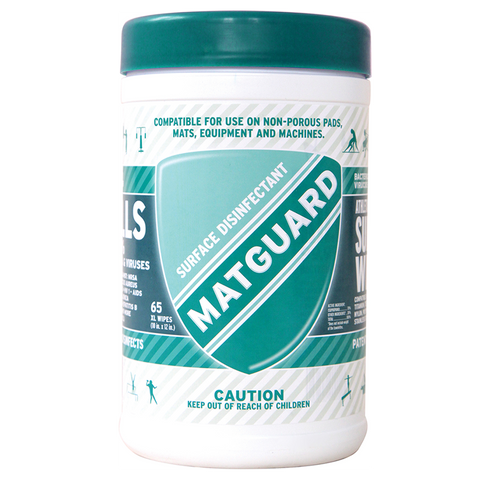
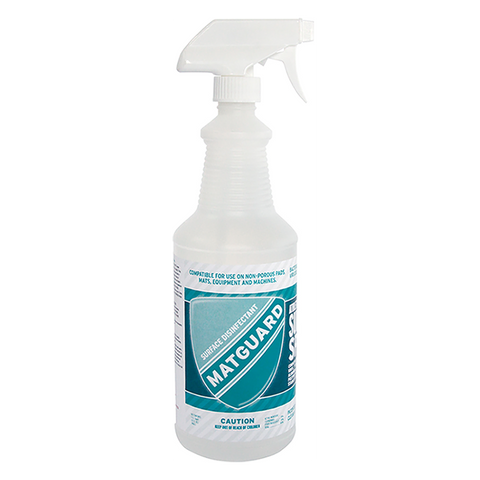
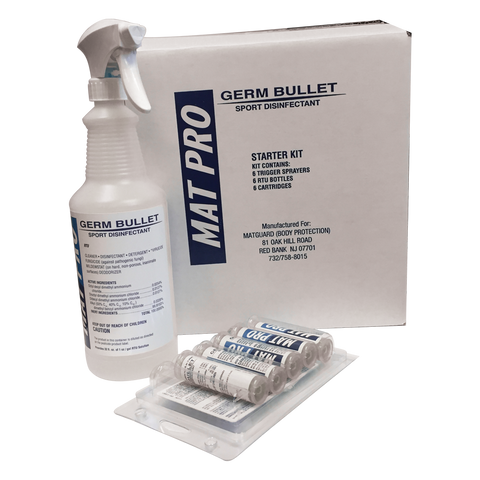
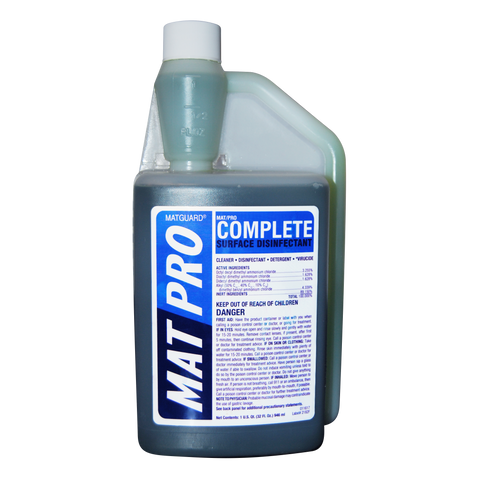
This is exactly why disinfecting shared gear consistently with a proper helmet and pad spray matters more than most athletes realize.
High Contact Environments
Football, wrestling, and similar sports create constant skin to surface and skin to skin contact. That alone increases exposure risk.
The more contact involved, the easier it is for bacteria to move from one athlete, one piece of gear, or one surface to the next.
Locker Room Conditions
Locker rooms and equipment areas can also work against athletes when hygiene slips. Heat and moisture create the kind of conditions bacteria like, especially when used gear gets stored without being properly cleaned or dried out.
That is how preventable problems start sticking around.
How Infections Like This Can Escalate
From Minor Issue to Major Setback
This is the part people often miss. What begins as a seemingly manageable issue can turn into something much bigger very quickly.
A wound problem can become a surgical complication. An infection can lead to IV treatment. That treatment can introduce new risks, including issues like blood clots. Once infection becomes part of the story, it is rarely just one issue.
That is what makes cases like Wonnum’s so important to talk about. They show how fast the situation can shift from recovery to damage control.
What Athletes Can Actually Control
Equipment Hygiene
Athletes cannot control every injury, but they can control how gear is cleaned and maintained. Pads, helmets, and other equipment should not be left dirty between uses, especially after hard practices, games, or shared sessions.
Using a dedicated helmet and pad spray regularly is one of the simplest ways to reduce bacteria buildup on the gear you wear every day.
Wound Awareness
Cuts, scrapes, turf burns, and surgical sites should never be ignored. If something looks irritated, swollen, painful, or unusually slow to heal, that matters.
Early attention can make a huge difference before a small issue has the chance to become a bigger one.
Environment Awareness
Athletes can also pay attention to the spaces around them. Clean surfaces matter. So does avoiding the use of gear that has not been properly cleaned.
A lot of infection prevention is not complicated. It is just about being consistent before something goes wrong.
Final Thoughts
DJ Wonnum’s situation shows how serious infections can become, especially when they complicate an already difficult recovery. This was not just about a football injury. It was about everything that happened after, when the healing process got disrupted and the medical issues kept stacking up.
That is why infection control deserves more attention than it usually gets. It is easy to overlook until it becomes urgent.
For athletes, prevention is one of the few things fully in their control. Check out our helmet and pad spray here for all your skin infection prevention.