

How to Clean Batting Helmets
Batting helmets take a beating during the season. They collect sweat, bacteria, dirt, clay, sunscreen, hair products, and general grime from practices, games, tournaments, and batting cage sessions.
That buildup happens fast, especially when helmets are shared. In youth leagues, school programs, travel baseball, softball teams, and indoor batting facilities, one helmet may be worn by several players in the same day.
Regular cleaning helps batting helmets look better, smell fresher, and stay ready for the next player. It also makes equipment maintenance easier for parents, coaches, athletic directors, and facility staff.
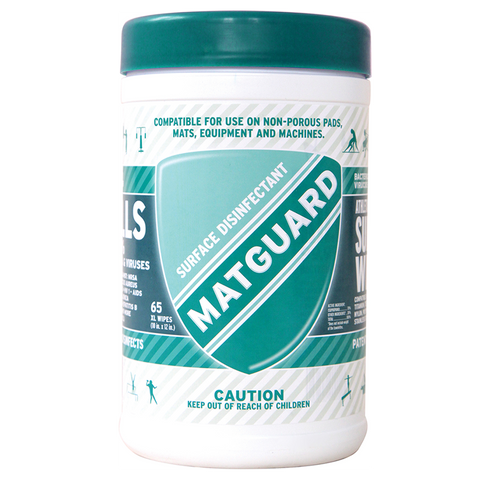
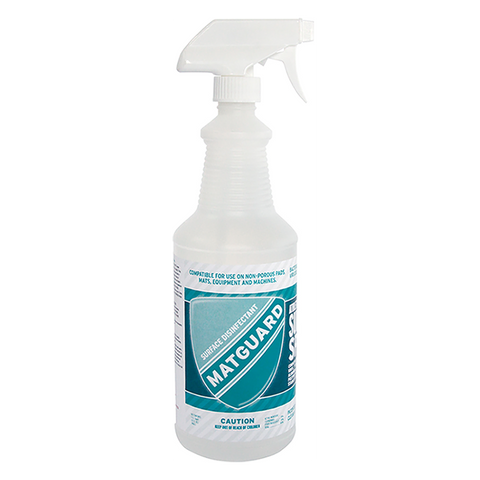
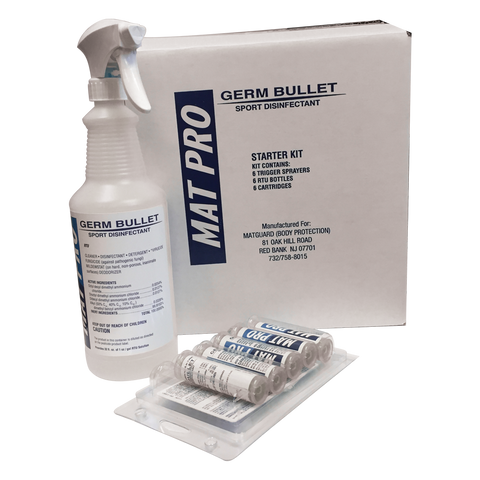
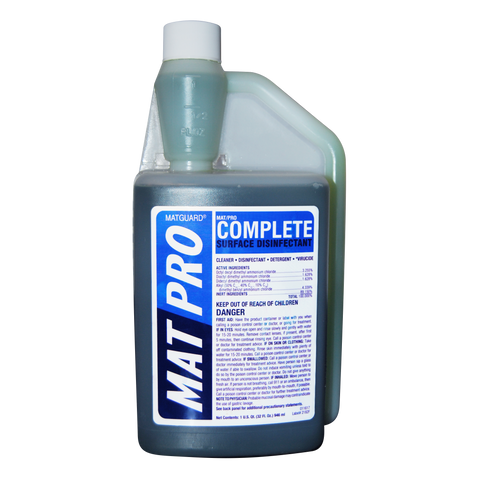
For routine cleaning, Matguard disinfectant sprays and disinfectant wipes give teams a simple way to disinfect helmets between uses without making the process complicated.
Quick Answer: How Do You Clean a Batting Helmet?
To clean a batting helmet, wipe away loose dirt first. Then clean both the outside shell and the interior padding where sweat builds up.
After that, disinfect high-contact areas with Matguard disinfectant spray or Matguard disinfectant wipes. Focus on the padding, ear guards, chin strap, brim, and any areas players touch often.
Let the helmet air dry completely before storing it or handing it to another player.
Do not soak the helmet. Avoid bleach, abrasive cleaners, or harsh chemicals unless the helmet manufacturer specifically approves them. These can damage padding, finishes, decals, and helmet materials.
Why Batting Helmets Need Regular Cleaning
Sweat Builds Up Quickly
Batting helmets trap heat and moisture, especially during warm-weather practices, doubleheaders, tournaments, and summer batting cage sessions.
The interior padding often absorbs sweat first. Over time, that moisture can lead to odor, grime, and an uncomfortable fit for the next player.
If a player uses the same helmet several times per week, or if a team shares helmets, cleaning should be part of the normal equipment routine.
Shared Helmets Increase Germ Exposure
Shared helmets are common in youth baseball, softball leagues, school athletic programs, travel teams, and batting cages.
That means one helmet may touch multiple heads, hands, and faces in a short period of time. Players also adjust helmets constantly, especially around the brim, ear guards, chin strap, and face guard.
Using Matguard disinfectant wipes between players is a practical way to keep shared helmets cleaner during busy practices and games.
Dirt Does Not Just Come From the Field
Batting helmets do not only get dirty from clay and grass. They also collect sunscreen, sweat, dust, hair products, and skin oils.
That buildup can make helmets feel sticky, smell bad, and look worn out faster than they should.
A quick cleaning routine helps remove surface grime before it settles deeper into padding and hard-to-reach areas.
What You’ll Need
Before cleaning batting helmets, gather a few basic supplies:
-
Soft microfiber cloth
-
Soft brush if needed
-
Matguard disinfectant spray
-
Matguard disinfectant wipes
-
Clean towel
-
Well-ventilated area for drying
Avoid bleach, strong solvents, abrasive pads, or harsh cleaners unless the helmet manufacturer specifically says they are safe to use. Batting helmets are protective equipment, so the goal is to clean and disinfect without damaging the shell, padding, straps, or finish.
Step 1: Inspect the Helmet
Before cleaning, inspect the helmet for damage.
Look for cracks, loose padding, broken chin straps, damaged hardware, missing pieces, or anything that looks unsafe. Pay attention to the shell, ear guards, face guard attachments, and interior padding.
Cleaning can remove dirt and grime, but it cannot fix structural damage. If a helmet is cracked or compromised, it should be removed from use and reviewed according to the team, league, or manufacturer’s safety guidelines.
Step 2: Remove Loose Dirt
Start by removing loose dirt before applying any disinfectant.
Brush off dried clay, dust, and debris. Wipe the shell with a soft cloth. Clean around vents, padding edges, ear guards, and the brim where dirt often collects.
This step matters because disinfectants work best on surfaces that are already cleared of visible soil and buildup.
Step 3: Clean the Outside of the Helmet
Next, clean the exterior of the batting helmet.
Focus on the shell, brim, ear guards, and face guard if the helmet has one. These areas are touched often by players, coaches, and teammates.
Matguard disinfectant wipes are a good option for quick daily cleaning because they are easy to use between games, after practice, or during tournament days when equipment needs to be cleaned quickly.
Wipe the surface evenly and make sure you reach the areas players grab most often.
Step 4: Disinfect the Interior Padding
The inside of the helmet needs just as much attention as the outside.
Clean the foam padding, sweatband areas, ear padding, and chin strap. These areas collect the most sweat and moisture, especially during hot practices and long game days.
Use Matguard disinfectant spray evenly over high-contact interior areas, or use Matguard disinfectant wipes for routine cleaning. Follow the product’s contact time instructions before wiping or allowing the surface to dry.
Do not oversaturate the padding. The goal is to disinfect the surface, not soak the helmet.
Step 5: Let the Helmet Air Dry
After cleaning and disinfecting, let the helmet air dry completely.
Do not use high heat, dryers, direct heaters, or heat guns. Too much heat can damage padding, adhesives, decals, and helmet materials.
Place the helmet in a well-ventilated area and allow the padding to dry naturally before storing it in a bag, bin, locker, or equipment room.
How Often Should Batting Helmets Be Cleaned?
Individual Player Helmet
For a helmet used by one player, wipe it down after games and practices. During the season, a deeper cleaning once a week is a smart routine, especially in hot weather.
If the helmet smells, feels sticky, or has visible grime, clean it sooner.
Shared Team Helmets
Shared team helmets should be disinfected after every use whenever possible.
Coaches or equipment managers should also inspect them daily for damage, loose padding, or heavy buildup. A deeper cleaning should happen regularly throughout the season, especially during tournaments or stretches with multiple games per week.
Matguard disinfectant wipes are especially useful for shared helmets because they make between-player cleaning faster and easier.
Batting Cage Helmets
Batting cage helmets may need to be cleaned multiple times per day depending on traffic.
Because different players use the same helmets back-to-back, facilities should have a simple cleaning system in place. Wipes can be used during active hours, while spray disinfectant can be used as part of a more thorough daily cleaning routine.
Common Cleaning Mistakes
Using Bleach
Bleach may damage helmet materials, padding, finishes, or decals. Unless the manufacturer specifically approves it, avoid using bleach on batting helmets.
Soaking the Helmet
Do not soak a batting helmet in water or cleaning solution. Soaking can damage padding, loosen adhesives, and make drying harder.
Skipping the Interior
Most sweat builds up inside the helmet. If you only wipe the outside, the helmet may still smell and feel dirty.
Not Allowing Proper Dry Time
Putting a damp helmet directly into a bag or storage bin can trap moisture and create odor problems. Always let the helmet air dry fully.
Forgetting Chin Straps
Chin straps are touched often and sit close to the face. They are easy to overlook, but they should be cleaned and disinfected regularly.
Tips to Keep Batting Helmets Cleaner Longer
Wipe helmets immediately after games and practices so sweat and grime do not sit on the surface.
Let helmets dry before storing them. Avoid tossing damp helmets into closed bags, plastic bins, or crowded equipment lockers.
Store helmets in a cool, dry location when possible. If helmets are shared, rotate them so the same helmet is not used repeatedly without time to dry.
For teams, coaches, and facilities, Matguard disinfectant wipes are useful between players during practices and games. Matguard disinfectant spray can also be used as part of a regular athletic equipment cleaning routine.
Who Should Clean Batting Helmets?
Individual Players
Players should be responsible for wiping down their own helmets after practices and games.
Parents
Parents can help younger players keep helmets clean, dry, and stored properly between uses.
Coaches
Coaches should build helmet cleaning into the team’s normal equipment routine, especially when helmets are shared.
Equipment Managers
Equipment managers should inspect, clean, disinfect, and track helmets throughout the season.
Athletic Directors
Athletic directors can set cleaning expectations for school programs, shared equipment rooms, and multi-team facilities.
Indoor Batting Facilities
Batting facilities should clean shared helmets frequently throughout the day and have a clear system for separating used helmets from cleaned helmets.
Why Consistent Helmet Cleaning Matters
Consistent helmet cleaning helps protect the overall hygiene of the team environment.
It also makes helmets smell fresher, feel better, and look better throughout the season. Players are more likely to wear equipment properly when it feels clean and comfortable.
For schools, leagues, and facilities, a simple cleaning routine also makes equipment easier to manage. Instead of waiting until helmets smell bad or look visibly dirty, regular cleaning keeps the process quick and controlled.
Using Matguard disinfectant sprays and wipes helps make that routine easier to follow.
Frequently Asked Questions
Can you wash a batting helmet with water?
You can usually wipe a batting helmet with a damp cloth, but you should not soak it. Too much water can damage padding, adhesives, and interior materials. Always check the manufacturer’s care instructions.
How often should batting helmets be disinfected?
Shared helmets should be disinfected after each use when possible. Individual helmets should be wiped after games and practices, with deeper cleaning at least weekly during the season.
Can multiple players safely share batting helmets?
Teams often share batting helmets, but shared helmets need a consistent cleaning routine. Matguard disinfectant wipes can help teams disinfect helmets between players.
What is the best way to clean helmet padding?
Wipe the padding gently, remove visible grime, and disinfect high-contact areas with Matguard disinfectant spray or wipes. Avoid soaking the padding and let it air dry fully.
Can disinfectant sprays damage batting helmets?
Disinfectant sprays should be used according to product directions and helmet manufacturer guidance. Avoid harsh chemicals, oversaturation, and products not intended for athletic equipment surfaces.
Should batting helmets be cleaned after every game?
Yes, helmets should be wiped down after every game. Shared helmets should be disinfected more often, especially during tournaments or back-to-back practices.
How do you remove odor from a batting helmet?
Clean the interior padding, disinfect high-contact areas, and let the helmet air dry completely. Odor often comes from trapped sweat and moisture, so drying is just as important as cleaning.
Are disinfectant wipes safe for batting helmets?
Disinfectant wipes are useful for quick surface cleaning when used as directed. Matguard disinfectant wipes are a convenient option for helmets, especially for teams, coaches, and batting cage facilities.
Conclusion
Batting helmets collect sweat, dirt, sunscreen, hair products, and grime throughout the season. When helmets are shared by multiple players, regular cleaning becomes even more important.
A simple routine can make a big difference: remove loose dirt, clean the shell and padding, disinfect high-contact areas, and let the helmet air dry completely.
Matguard disinfectant sprays and disinfectant wipes make it easier to keep baseball and softball helmets cleaner, fresher, and ready for the next practice, game, or batting cage session.
Explore Matguard disinfectant products to build a better athletic equipment cleaning routine for your team, school, or facility.