

What Makes an EPA-Registered Sports Disinfectant Different?
Not all disinfectants are created equal, especially in athletic facilities.
Gyms, schools, training rooms, and sports programs deal with a different kind of cleaning challenge. Sweat builds up fast. Equipment gets shared. Mats, pads, benches, helmets, and weight room surfaces are touched over and over again. A regular household cleaner may not be the right fit for that kind of environment.
That is where EPA registration matters. For coaches, athletic directors, trainers, and facility managers, choosing an EPA-registered sports disinfectant helps take the guesswork out of cleaning. It gives you a clearer understanding of what the product is designed to do, how it should be used, and whether it fits the surfaces and routines in your facility.
What Does EPA-Registered Mean?
EPA-registered means the disinfectant has been reviewed by the U.S. Environmental Protection Agency for specific claims, directions, and proper use.
In simple terms, the product must support what it says on the label. If a disinfectant claims to kill certain bacteria, viruses, or fungi, those claims must be backed by data submitted during the registration process.
It also means the label includes instructions for how to use the product correctly. That matters because disinfectants only work as intended when they are applied the right way.
EPA registration does not mean every product is the same. Two EPA-registered disinfectants can have different active ingredients, contact times, surface uses, dilution instructions, odors, formats, and safety requirements. The label still matters.
Why EPA Registration Exists
EPA registration exists to help protect public health.
Disinfectants are not just cleaning products. They are antimicrobial products with specific claims about reducing or killing germs on surfaces. EPA registration helps make sure those claims meet required standards before the product is marketed that way.
It also gives users clear directions. That includes how much product to use, how long the surface should stay wet, what surfaces it can be used on, and what safety precautions need to be followed.
For athletic facilities, that clarity is important. Staff, coaches, trainers, and athletes need products that can be used consistently, not products that leave everyone guessing.
Why Athletic Facilities Need EPA-Registered Products
Athletic facilities are high-touch environments.
Think about how many hands, shoes, towels, uniforms, and pieces of gear move through a sports facility in one day. Athletes share equipment, sit on benches, use training tables, grab weights, hit mats, and return to the same locker room after practice.
That creates more opportunities for germs, sweat, and grime to move from surface to surface.
EPA-registered products help facilities build a more reliable cleaning routine. Instead of choosing a product based only on scent, price, or convenience, athletic programs can look at the label and understand what the product is actually designed to do.
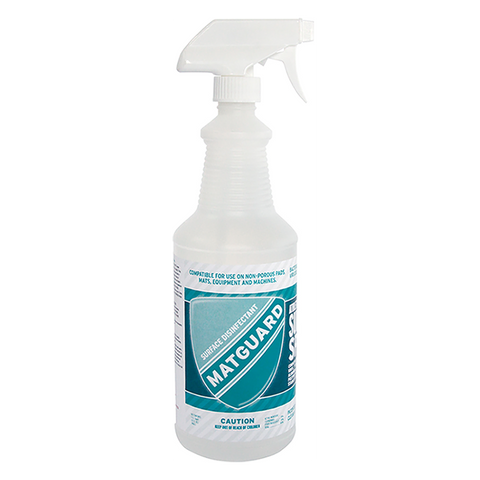
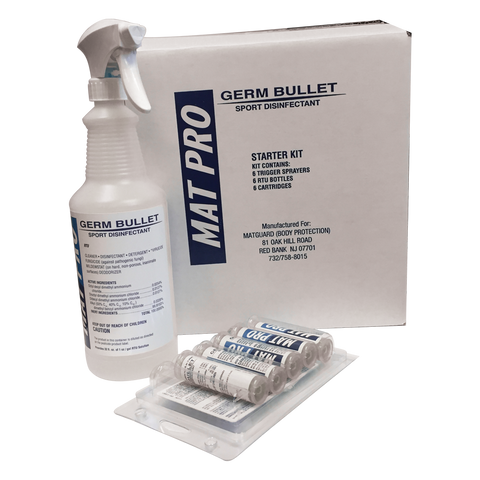
A good disinfectant spray can be especially useful for surfaces that need regular coverage after practices, games, workouts, and equipment use.
Common Athletic Surfaces That Require Disinfecting
Athletic facilities have a lot of surfaces that need regular attention.
Common examples include:
-
Wrestling mats
-
Weight room equipment
-
Locker room benches
-
Training tables
-
Sidelines and team benches
-
Shared sports equipment
-
Helmets, pads, and protective gear
-
Exercise mats
-
Door handles and storage areas
The key is consistency. Some areas may need disinfecting after every use, while others may be part of a daily or weekly cleaning schedule. A product that works well in an athletic setting should fit the reality of how the facility operates.
Features That Set EPA-Registered Sports Disinfectants Apart
EPA registration is a starting point, but the details on the label are what separate one product from another.
For athletic programs, the best choice is usually not just the strongest-sounding product. It is the product that is effective, practical, surface-appropriate, and easy enough for staff to use correctly every day.
Proven Efficacy Claims
EPA-registered disinfectants include specific efficacy claims.
That means the product has been reviewed for use against certain organisms listed on the label. This may include specific bacteria, viruses, fungi, or other pathogens depending on the product.
For coaches and facility managers, this is why reading the label matters. You do not want to assume a product covers everything just because it says “disinfectant.” Look at what it is actually registered for, where it can be used, and whether those claims match your facility’s needs.
Contact Times
Contact time, also called dwell time, is the amount of time a surface needs to stay visibly wet for the disinfectant to work as intended.
This is one of the most overlooked details in athletic cleaning.
If a product requires a 10-minute contact time but the surface dries in two minutes, the product may not be doing what the user thinks it is doing. In a busy training room or weight room, that matters.
Athletic facilities should look for products with contact times that are realistic for their routines. If coaches, athletes, or staff cannot follow the directions consistently, the cleaning plan starts to break down.
Surface Compatibility
Sports facilities have many different surface types.
A wrestling mat is not the same as a weight bench. Helmet padding is not the same as a hard locker room bench. Training tables, rubber flooring, vinyl mats, plastic gear, metal equipment, and foam padding may all respond differently to cleaning products.
That is why surface compatibility matters.
Using the wrong product can leave residue, damage materials, create odors, dry out surfaces, or shorten the life of expensive equipment. A sports disinfectant should be practical for the surfaces it is being used on and should support the long-term care of the facility.
For protective gear, a dedicated helmet and pad spray can help programs clean equipment without treating it like a generic hard surface.
Clear Instructions for Use
A strong disinfectant is only useful if people know how to use it.
Clear instructions should explain:
-
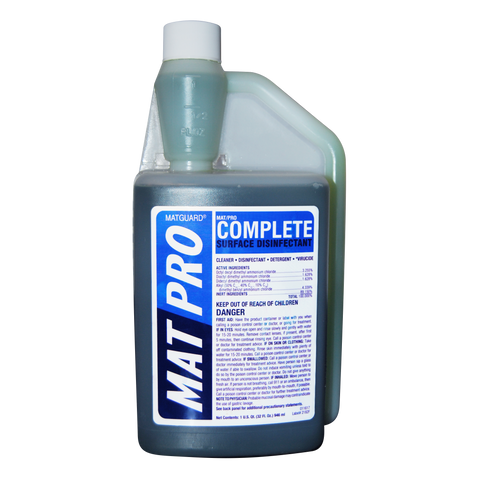
Whether the product is ready-to-use or needs dilution
-
How it should be applied
-
How long the surface must remain wet
-
What surfaces it is intended for
-
Whether rinsing is required
-
What safety precautions should be followed
-
How the product should be stored
This is especially important in schools and athletic departments where more than one person may be responsible for cleaning. Coaches, custodial teams, athletic trainers, and student managers all need a routine that is easy to understand and repeat.
Questions to Ask Before Choosing a Sports Disinfectant
Before choosing a sports disinfectant, ask a few practical questions.
Is it EPA-registered?
What organisms does it address on the label?
How long is the contact time?
Is it safe for the surfaces you plan to clean?
Does it require dilution?
Is it practical for daily use?
Can coaches, trainers, or staff apply it correctly during busy periods?
Does it fit your facility’s schedule, budget, and equipment needs?
These questions help you move beyond marketing claims and focus on real-world use. The right product should support the way your facility actually runs.
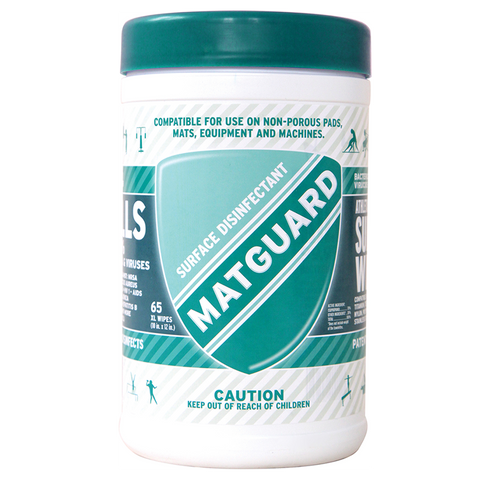
For quick cleanups, shared equipment, and high-touch areas, disinfectant wipes may also be useful as part of a broader cleaning plan.
Why Choosing the Right Product Matters
Choosing the right disinfectant helps create consistency.
That consistency matters more than most people realize. A product that is too confusing, too harsh, too slow, or too difficult to apply often gets used incorrectly or not at all.
The right sports disinfectant gives staff more confidence. It helps coaches explain expectations. It helps athletic directors create better cleaning procedures. It also supports a healthier athletic environment for everyone using the space.
No product replaces good habits, smart scheduling, hand hygiene, or proper facility maintenance. But the right disinfectant makes those routines easier to follow.
Conclusion
EPA registration is an important factor when choosing a sports disinfectant, but it should not be the only factor.
Coaches, athletic directors, and facility managers should also look at contact times, surface compatibility, label claims, application methods, and whether the product is practical for daily athletic use.
Athletic facilities are busy, high-touch environments. Choosing products designed for those environments can help teams clean more consistently, protect equipment, and support a safer space for athletes, coaches, and staff.