

Do Basketballs Carry Germs?
Do basketballs carry germs? Yes, they can. Basketballs are constantly passed between players, bounced on gym floors, tossed onto benches, stored in locker rooms, and loaded into equipment carts.
That means they pick up sweat, dirt, and germs from shared hand contact and indoor athletic environments. For schools, teams, gyms, and athletic programs, regular hygiene routines matter. Disinfectant sprays and disinfectant wipes can help clean basketballs, benches, and shared gear, while antibacterial body wipes give athletes a quick way to clean their hands and body during practices, tournaments, and travel.
Yes, Basketballs Can Carry Germs
Basketballs are shared by multiple players
Basketballs move from hand to hand all practice long. During passing drills, scrimmages, games, and warmups, several players may touch the same ball within seconds.
That constant hand contact makes basketballs a shared surface. When sweat, skin oils, dirt, or germs transfer from one player’s hands to the ball, the next player can come into contact with the same buildup.
Basketballs touch many surfaces throughout the day
Basketballs do not only touch players’ hands. They hit gym floors, roll under benches, sit in locker rooms, and get stored in ball racks or equipment carts.
Those surfaces are not always cleaned as often as people think. A ball that touches the floor, then gets picked up and passed around again, can contribute to cross contamination throughout practice.
Moisture and sweat can increase bacteria buildup
Warm indoor gyms, sweaty hands, and repeated use can create the kind of environment where odor-causing bacteria builds up. Even if a basketball looks clean, it may still carry germs from sweat exposure and shared use.
This is why regular cleaning should be part of the team routine, not something that only happens when equipment smells bad.
What Germs Can Spread on Basketballs?
Staph bacteria
Staph can spread through skin contact and contaminated surfaces, especially in athletic environments where players share equipment and have frequent close contact.
Basketballs are not the only concern, but they are one of many shared sports items that can help move germs from one person or surface to another.
Cold and flu viruses
Cold and flu viruses can spread through shared hand contact, especially when athletes touch their faces, cough, sneeze, or keep playing while feeling sick.
In indoor team settings, one shared basketball may pass through an entire group during a single practice or tournament game.
Ringworm and other skin infections
Ringworm and other skin infections are more common in sports where athletes share surfaces, gear, towels, and close contact. Basketball is not usually thought of the same way as wrestling or football, but hygiene still matters.
Regular cleaning, hand hygiene, and not sharing personal items can help reduce avoidable exposure.
General bacteria from hands and dirty surfaces
Not every germ on a basketball is tied to a specific infection. Many come from dirty hands, gym floors, locker rooms, sneezing, coughing, and touching faces during play.
The issue is simple: basketballs are handled constantly, so they should be cleaned consistently.
Why Indoor Basketball Environments Can Increase Germ Exposure
Shared gym equipment creates more contact points
Basketballs are only one part of the gym environment. Players also touch benches, weight room equipment, locker room surfaces, doors, water stations, and training gear.
The more shared contact points there are, the easier it is for germs to move from one surface to another.
Teams often share gear during practices
During practice, teams may rotate through basketballs, training aids, rebounding equipment, ball carts, cones, and other shared tools. Most of this equipment gets used by multiple athletes in a short amount of time.
Without a routine cleaning plan, the same gear may be reused all day by different groups.
Cleaning routines are not always consistent
Busy practice schedules make cleaning easy to overlook. A gym may have school teams, rec leagues, camps, private training, and tournaments using the same space.
When equipment gets reused between sessions without proper sanitation, germs can build up across the day.
How Teams Help Keep Basketballs Cleaner
Using disinfectant sprays on basketballs and equipment
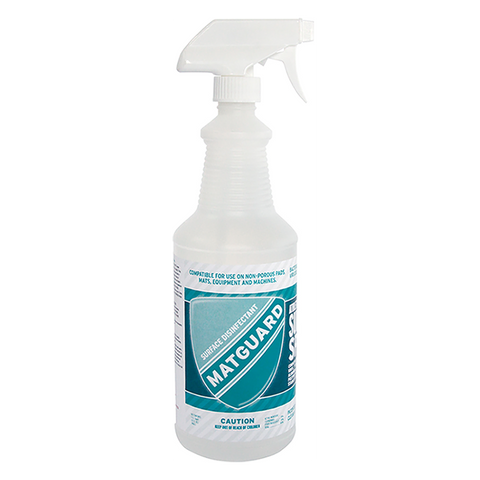
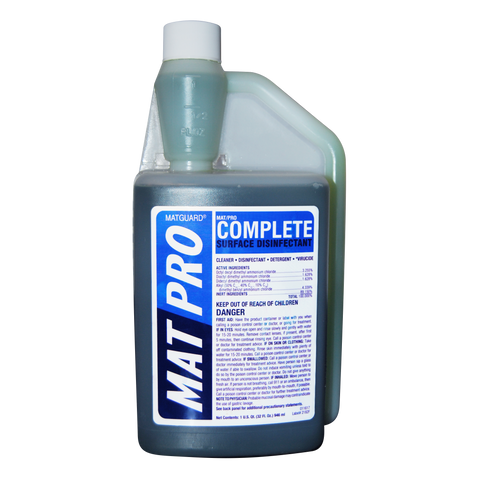
Disinfectant sprays can help teams clean basketballs after practices, games, and high-volume use. They can also be used on benches, locker room surfaces, shared athletic equipment, and other high-touch sports surfaces.
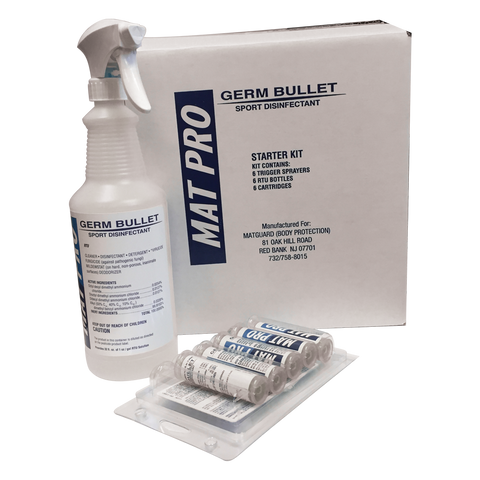
For athletic programs that need a simple daily routine, Matguard USA disinfectant sprays are designed to help clean basketballs, locker rooms, shared gear, and sports surfaces without making sanitation complicated.
Using disinfectant wipes between drills and games
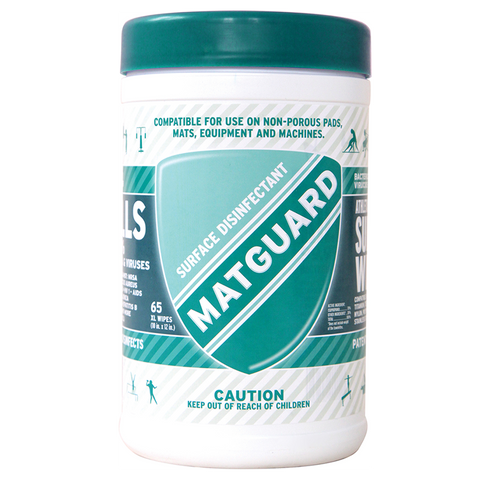
Disinfectant wipes are useful when teams need a quick cleaning option. Coaches, trainers, and facility staff can use wipes for basketballs, ball racks, clipboards, training equipment, and other shared items during practices or tournaments.
They are especially helpful when a full cleaning setup is not realistic between drills, games, or back-to-back sessions.
Encouraging athletes to use antibacterial body wipes
Athletes also need a way to clean themselves when they cannot shower right away. Antibacterial body wipes can be used for hands, arms, neck, and other high-contact areas after practices, games, workouts, and travel.
For tournaments, camps, and multi-game days, Matguard USA antibacterial body wipes give players a quick hygiene option between sessions.
Improving overall hygiene habits
Cleaning equipment is important, but it works best with better team habits. Athletes should wash their hands, avoid sharing towels, keep personal gear separate, and stay home when they are sick.
Locker rooms, benches, and shared spaces should also be cleaned regularly so basketballs are not being placed back onto dirty surfaces.
Basketball Equipment That Should Also Be Cleaned
Ball racks and storage carts
Ball racks and storage carts hold basketballs before and after use, so they should be cleaned as part of the same routine. If the cart is dirty, clean basketballs can quickly pick up germs again.
Benches and scorer’s tables
Players sit, sweat, lean, and place gear on benches and scorer’s tables throughout games and practices. These are high-touch areas that should not be ignored.
Shared training equipment
Training tools like cones, resistance bands, passing dummies, agility equipment, and rebounding tools are often handled by several athletes. These items should be wiped down regularly, especially during camps, clinics, and team workouts.
Locker room and sideline surfaces
Door handles, chairs, water stations, lockers, and shared sideline areas can all contribute to germ transfer. Keeping these surfaces cleaner helps support the entire equipment hygiene routine.
Why More Athletic Programs Are Focusing on Equipment Hygiene
Coaches are more aware of infection prevention
Coaches and trainers understand that shared equipment can affect athlete safety. With year-round sports schedules, crowded gyms, and back-to-back practices, consistent cleaning has become part of running a responsible program.
Parents expect cleaner athletic environments
Parents want to know their athletes are practicing and competing in spaces that are cared for properly. Clean equipment, organized locker rooms, and visible hygiene routines help build trust in the program.
Simple cleaning routines can help reduce risk
Equipment hygiene does not need to be complicated. Routine disinfecting, better hand hygiene, antibacterial body wipes, and consistent cleaning habits can make a real difference.
The goal is not fear. The goal is consistency.
Conclusion
Basketballs can carry germs because they are shared athletic surfaces touched constantly throughout practices, games, and tournaments. They move between hands, floors, benches, locker rooms, and equipment carts all day.
Regular cleaning and smart hygiene habits can help reduce spread. Disinfectant sprays work well for basketballs and shared equipment, disinfectant wipes are helpful for quick cleaning, and antibacterial body wipes give athletes a practical way to clean up during practices, games, and travel.
Matguard USA offers hygiene and sports sanitation products built for athletes, coaches, schools, gyms, and teams that want cleaner gear and safer routines.