

How to Clean Indoor Turf
Indoor turf takes on more than most people realize. Throughout the day, it collects sweat, dirt, dust, skin oils, spills, hair, tape, and debris from athletes, shoes, training equipment, and general facility traffic.
These surfaces are common in training centers, school field houses, commercial gyms, batting facilities, football programs, indoor soccer centers, and multipurpose athletic spaces. In many of these facilities, athletes stretch, run drills, push sleds, complete floor exercises, and place their hands directly on the turf.
Vacuuming or removing visible debris is important, but it does not address every cleaning concern. A complete indoor turf maintenance routine should include debris removal, spot cleaning, disinfection, drying, grooming, and regular inspection.
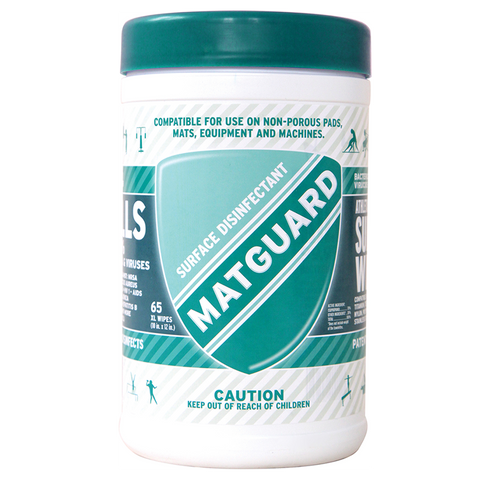
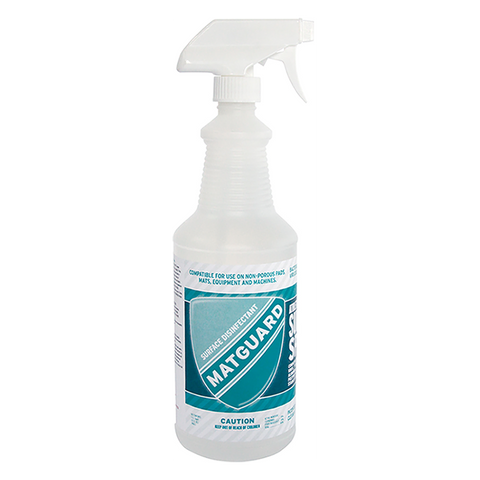
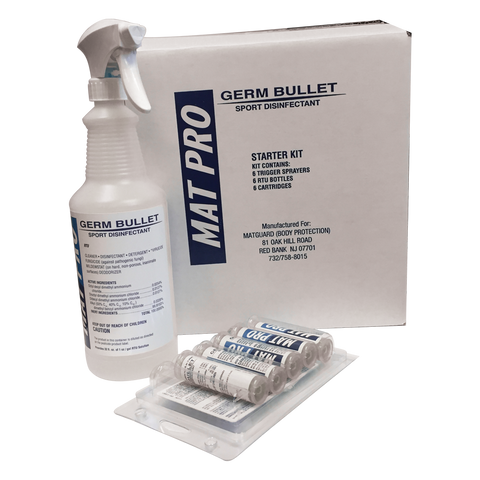
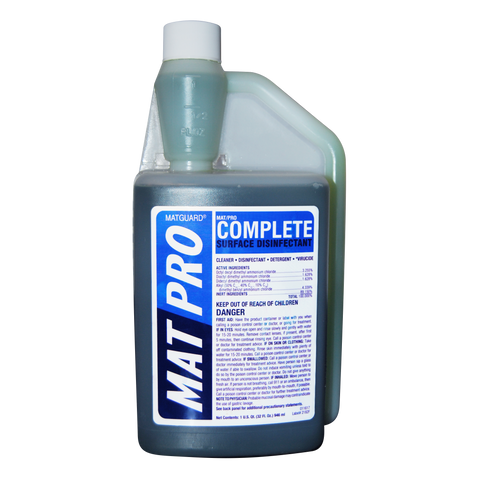
Matguard Turf Guard for indoor athletic turf is designed to help facilities maintain and disinfect synthetic athletic surfaces as part of a consistent cleaning program.
Quick Answer: How Do You Clean Indoor Turf?
To clean indoor turf properly:
-
Remove loose debris, tape, hair, and larger materials.
-
Vacuum or sweep the turf using equipment approved for synthetic surfaces.
-
Spot-clean spills, stains, and visible grime.
-
Apply Matguard Turf Guard according to the product label.
-
Keep the surface wet for the required contact time.
-
Allow the turf to dry completely before reopening the area.
-
Brush or groom the turf when needed.
The exact process depends on the turf manufacturer, facility traffic, infill type, surface construction, and activities taking place on the turf. Always follow the turf manufacturer’s maintenance guidance along with the cleaning product label.
Why Indoor Turf Needs Regular Cleaning
Dirt Gets Trapped Between Turf Fibers
Synthetic turf fibers can trap small debris that is easy to miss during a quick visual inspection.
Common buildup includes:
-
Dust
-
Soil
-
Rubber particles
-
Hair
-
Athletic tape
-
Wrappers
-
Grass or field debris
-
Food and drink residue
As athletes move across the surface, some of this material settles deeper between the fibers. Regular vacuuming or sweeping helps prevent it from accumulating.
Sweat and Skin Oils Build Up
Athletes often have direct contact with indoor turf during:
-
Floor exercises
-
Stretching
-
Warm-ups
-
Sled work
-
Agility drills
-
Group fitness classes
-
Shared training sessions
Hands, arms, legs, clothing, shoes, and equipment all transfer sweat and skin oils onto the surface. This buildup may not always be visible, which is why appearance alone should not determine when the turf gets cleaned.
Indoor Turf Does Not Get Natural Rainfall
Outdoor turf may receive occasional rinsing from rain. Indoor turf does not.
Every bit of dirt, sweat, residue, and tracked-in debris must be addressed through the facility’s maintenance program. Without a consistent routine, buildup can remain on the surface for long periods.
High Traffic Causes Faster Buildup
Busy facilities need more frequent cleaning because more athletes, teams, and equipment move across the same surface.
High-use environments include:
-
Sports complexes
-
School field houses
-
Indoor soccer facilities
-
Football training centers
-
Batting cages
-
Commercial gyms
-
Strength and conditioning facilities
Tournament weekends, camps, and overlapping team schedules can increase cleaning needs even further.
What You Need to Clean Indoor Turf
Before getting started, gather the appropriate supplies:
-
Turf-safe vacuum or sweeper
-
Soft-bristle brush
-
Microfiber cloths
-
Spot-cleaning supplies
-
Clean application equipment approved for synthetic turf
-
Matguard Turf Guard
-
Gloves and any other label-directed protective equipment
-
Wet-floor or area-closed signage
-
Adequate ventilation
The correct tools matter. Equipment that is too aggressive may pull at fibers, affect seams, or disturb infill.
For routine disinfection, use an indoor turf disinfectant according to its complete label directions and the turf manufacturer’s recommendations.
Step 1: Inspect the Turf
Walk the entire surface before cleaning.
Look for:
-
Visible debris
-
Stains
-
Wet areas
-
Matted fibers
-
Loose seams
-
Damaged sections
-
Uneven infill
-
Odor-prone areas
-
Gum
-
Tape
-
Sticky residue
Pay particular attention to entryways, stretching zones, goals, sled lanes, and areas where equipment is stored.
Cleaning can address dirt, spills, and contamination, but it cannot repair loose seams, damaged backing, worn fibers, or structural problems. Damaged areas may need to be evaluated by the turf installer or a qualified maintenance professional.
Step 2: Remove Loose Debris
Start by picking up larger debris by hand.
Remove tape, wrappers, hair, athletic materials, food, and anything else that should not be on the turf. After that, vacuum or sweep away loose dirt using equipment approved by the turf manufacturer.
Avoid stiff or harsh brushes that may damage the turf fibers. Make sure the vacuum or sweeper is appropriate for the turf system and infill type.
Removing debris first is important because dirt and residue can interfere with cleaning and disinfecting. Applying product over a layer of dust, hair, or grime will not give the surface the thorough attention it needs.
Step 3: Spot-Clean Spills and Stains
Indoor turf can experience many different types of spills and stains, including:
-
Sports drinks
-
Water spills
-
Mud
-
Food
-
Adhesive residue
-
Gum
-
Shoe marks
-
Blood or other bodily fluids
Address spills as soon as possible. Blot liquids rather than aggressively scrubbing them deeper into the fibers.
Sticky residue, gum, and adhesives may require a turf-approved removal method. Always check the manufacturer’s guidance before using solvents or specialty cleaners.
Blood or bodily fluid incidents may require a separate facility response protocol, appropriate protective equipment, restricted access, and specific cleanup procedures. Staff should follow the organization’s exposure-control policies and all applicable product directions.
Step 4: Apply Turf Guard
After visible debris and grime have been removed, apply Matguard Turf Guard according to the product label.
Use the appropriate dilution or ready-to-use format based on the specific product. Cover the intended surface evenly without flooding or oversaturating the turf and backing.
Give extra attention to high-contact and high-traffic areas such as:
-
Agility lanes
-
Sled tracks
-
Stretching zones
-
Warm-up areas
-
Goal areas
-
Dugout-style training zones
-
Entry points
-
Areas around shared equipment
Matguard Turf Guard for athletic facilities can be incorporated into a routine maintenance schedule for indoor synthetic turf surfaces.
Always confirm surface compatibility and follow both the turf manufacturer’s guidance and the Turf Guard label.
Step 5: Follow the Contact Time
Disinfectants need time to work.
The surface must remain wet for the contact time listed on the product label. Spraying the turf and immediately reopening the area may not allow enough time for the disinfecting process.
Facility staff should read and follow the complete label, including:
-
Application instructions
-
Dilution requirements
-
Contact time
-
Protective equipment
-
Ventilation guidance
-
Surface compatibility
-
Storage requirements
Schedule turf disinfection during facility downtime whenever possible. This gives staff enough time to apply the product correctly without athletes walking across the surface before the process is complete.
Step 6: Let the Turf Dry Completely
Keep athletes, coaches, and equipment off the surface while it is wet.
Improve ventilation by opening approved airflow systems or using fans when appropriate. Do not place sleds, pads, balls, benches, or other equipment back onto wet turf.
Reopen the area only after the surface is dry and safe for use.
Trapped moisture can contribute to odors and other maintenance problems. Adequate drying is an important part of the cleaning process, not an optional final step.
Step 7: Brush and Groom the Turf
Depending on the turf system, periodic brushing or grooming can help lift flattened fibers and redistribute infill.
Focus on high-traffic areas where fibers are most likely to become matted, including:
-
Sled lanes
-
Entry points
-
Goal areas
-
Agility zones
-
Areas beneath frequently moved equipment
Use only brushes and grooming equipment approved by the turf manufacturer. Aggressive equipment may damage fibers, disturb seams, or move too much infill from one area to another.
How Often Should Indoor Turf Be Cleaned?
Daily
Daily maintenance should include:
-
Picking up visible debris
-
Addressing spills immediately
-
Cleaning entry areas
-
Inspecting high-traffic zones
-
Checking for wet or damaged areas
This keeps minor issues from becoming larger cleaning problems.
After Heavy Use
Additional cleaning may be needed after:
-
Team practices
-
Camps
-
Tournaments
-
Group fitness classes
-
Sled training
-
Agility sessions
-
Large facility events
The turf should also be inspected after equipment-heavy activities that create concentrated wear or residue.
Weekly
A weekly routine may include:
-
Thorough vacuuming or sweeping
-
Spot cleaning
-
Disinfecting high-contact areas
-
Odor checks
-
Inspection of seams and fibers
-
Cleaning equipment stored on the turf
Higher-traffic facilities may need to perform these tasks more often.
Periodically
Periodic maintenance may include:
-
Deep cleaning
-
Grooming
-
Infill inspection
-
Seam inspection
-
Fiber inspection
-
Professional turf maintenance
The right cleaning frequency depends on facility size, traffic, season, activities, infill type, and the amount of direct body contact athletes have with the surface.
High-Contact Areas That Need Extra Attention
Stretching and Warm-Up Zones
Athletes often place their hands, arms, legs, clothing, and faces close to the turf while stretching or warming up.
These areas should be disinfected more frequently than parts of the field that receive mostly foot traffic.
Sled and Agility Lanes
Sled tracks and agility lanes experience repeated shoe traffic, equipment drag, sweat, and hand contact.
The fibers may also become flattened faster in these areas, making inspection and grooming especially important.
Goal Areas
Indoor soccer and lacrosse goal areas receive concentrated movement, falls, equipment contact, and repeated foot traffic.
Goal frames and nearby equipment should be cleaned along with the turf.
Entry Points
Entry areas collect moisture, soil, dust, and debris tracked in from hallways, sidewalks, locker rooms, and parking areas.
Keeping entrances clean can reduce how much material reaches the rest of the turf.
Areas Around Shared Equipment
Give extra attention to turf around:
-
Medicine balls
-
Sleds
-
Tackling dummies
-
Training cones
-
Resistance equipment
-
Shared mats
-
Blocking pads
-
Equipment carts
These areas often combine floor contact, hand contact, equipment drag, and repeated use.
Common Indoor Turf Cleaning Mistakes
Only Cleaning When Turf Looks Dirty
Sweat, skin oils, and contamination may not always be visible.
A turf surface can look clean while still receiving hours of direct athlete and equipment contact. Use a schedule rather than relying only on appearance.
Using the Wrong Vacuum or Brush
Equipment that is too powerful or abrasive may damage fibers, seams, backing, or infill distribution.
Check the turf manufacturer’s recommendations before purchasing or using cleaning equipment.
Applying Too Much Liquid
More product is not automatically better.
Oversaturation can increase drying time and may affect the turf backing, adhesives, infill, or odor. Apply cleaning and disinfecting products exactly as directed.
Ignoring Contact Time
Disinfectants should remain wet for the full label-directed contact time.
Applying product and reopening the field immediately may not allow the disinfectant to work as intended.
Reopening the Turf Too Soon
Wet turf may be slippery. Athletes and equipment may also interrupt the required contact time.
Keep the area closed until the process is complete and the surface is dry.
Forgetting Equipment Stored on the Turf
Sleds, balls, pads, cones, mats, benches, and carts can reintroduce grime to a freshly cleaned surface.
Clean frequently used equipment as part of the same routine.
Using Harsh Chemicals Without Approval
Strong chemicals may damage turf fibers, backing, adhesives, markings, or infill.
Check the turf manufacturer’s guidance and the cleaning product label before applying anything to the surface.
How to Control Odors on Indoor Turf
Odor control starts by removing the source, not simply covering the smell.
A practical odor-control routine should include:
-
Removing sweat and organic buildup
-
Addressing spills immediately
-
Increasing ventilation
-
Cleaning high-contact zones more often
-
Keeping shared equipment clean
-
Avoiding excessive moisture
-
Letting the turf dry completely
-
Using Matguard Turf Guard as directed
If odors return quickly, inspect the surrounding equipment, infill, backing, drainage, ventilation, and facility cleaning schedule.
Masking an odor with fragrance does not replace proper cleaning.
Indoor Turf Cleaning Tips for Schools and Sports Facilities
Schools and athletic facilities should create a written maintenance schedule for their turf.
A practical program should include:
-
Assigned cleaning responsibilities
-
Daily inspection procedures
-
Records of tournaments and high-use events
-
Stocked Turf Guard supplies
-
Staff training on application and contact time
-
Area-closed signage during cleaning
-
Separate storage for clean and used equipment
-
Inspections before and after major events
-
Regular entrance cleaning
-
Procedures for spills and bodily fluids
Cleaning responsibilities should be specific. Staff should know who is responsible for daily debris removal, spot cleaning, disinfection, grooming, equipment cleaning, and periodic inspections.
Equipment That Should Be Cleaned Alongside the Turf
Indoor turf does not stay clean if dirty equipment is immediately placed back onto it.
Clean commonly used items such as:
-
Sleds
-
Tackling dummies
-
Blocking pads
-
Medicine balls
-
Training cones
-
Agility ladders
-
Goal frames
-
Ball carts
-
Benches
-
Equipment storage racks
-
Shared mats
Handles, wheels, bases, padding, and other surfaces that touch the turf deserve particular attention.
Why a Consistent Turf Maintenance Schedule Matters
A repeatable schedule helps facilities stay ahead of dirt, spills, odors, and heavy buildup.
Consistent indoor turf maintenance supports:
-
A cleaner athletic environment
-
Better odor control
-
Easier daily maintenance
-
Improved facility appearance
-
Less heavy buildup
-
More predictable cleaning around practices and events
-
Better long-term care of the turf system
-
Clearer staff responsibilities
Occasional deep cleaning is useful, but it should support regular daily and weekly maintenance rather than replace it.
Frequently Asked Questions
Can Indoor Artificial Turf Be Disinfected?
Yes. Many indoor synthetic turf surfaces can be disinfected using an appropriate product. Always check the turf manufacturer’s recommendations and follow the disinfectant label for surface compatibility, application, contact time, and drying.
How Often Should Indoor Turf Be Cleaned?
Visible debris and spills should be addressed daily. High-contact areas may need frequent disinfection, while more thorough vacuuming, spot cleaning, and inspection can be completed weekly or based on facility traffic.
Can You Vacuum Indoor Turf?
Yes, but the vacuum should be approved for the specific synthetic turf system. An overly aggressive vacuum may damage fibers or disturb infill.
What Is the Best Way to Remove Odors From Indoor Turf?
Remove debris and organic buildup, address spills, disinfect appropriate areas, improve ventilation, clean nearby equipment, and let the turf dry completely. Do not rely on fragrance alone to cover odors.
Can Indoor Turf Be Mopped?
Traditional mopping may not be appropriate for every turf system. Use application equipment approved by the turf manufacturer and avoid oversaturating the fibers, backing, or infill.
How Long Should Indoor Turf Dry After Cleaning?
Drying time depends on the product, application amount, ventilation, humidity, turf construction, and facility conditions. Keep the area closed until the label-directed contact time has passed and the surface is completely dry.
Can Turf Guard Be Used in Sports Facilities?
Matguard Turf Guard is intended for athletic turf maintenance and disinfection when used according to its product label. Confirm compatibility with the facility’s specific turf system before application.
Should Equipment Be Removed Before Cleaning Turf?
Yes. Remove movable equipment whenever possible so staff can clean the turf underneath it and avoid placing dirty equipment onto a freshly cleaned surface.
How Do You Clean Spills From Synthetic Turf?
Address spills promptly. Remove solid material, blot liquids, use a turf-approved spot-cleaning method, and avoid aggressive scrubbing. Bodily fluid spills may require a separate facility protocol.
Does Indoor Turf Need Professional Deep Cleaning?
Some facilities may benefit from periodic professional cleaning, grooming, infill inspection, seam repair, or specialized maintenance. The need depends on traffic, turf type, age, condition, and manufacturer recommendations.
Conclusion
Effective indoor turf maintenance involves more than picking up visible debris or running a vacuum across the surface.
A complete routine includes inspecting the turf, removing loose material, spot-cleaning stains, applying an appropriate disinfectant, following the required contact time, allowing the surface to dry, and grooming the fibers when needed.
Busy athletic facilities should use a repeatable schedule based on traffic, direct athlete contact, equipment use, tournaments, and seasonal demand.
Matguard Turf Guard can be a practical part of regular indoor athletic turf maintenance when used according to the label and the turf manufacturer’s guidance.
Explore Matguard Turf Guard for indoor turf cleaning and disinfection to help maintain synthetic athletic surfaces in schools, gyms, field houses, and training facilities.