

Can Helmets Spread Skin Infections?
Helmets are one of the most frequently shared pieces of athletic equipment. In schools, youth leagues, batting cages, rental programs, and team settings, the same helmet may be worn by multiple athletes in a single day.
Over time, helmets collect sweat, skin cells, dirt, hair products, and oils from the skin. The inside padding can hold moisture, while the outside shell is constantly touched by hands during practices, games, and training sessions.
Helmets themselves do not cause skin infections. But when helmets are not cleaned regularly, contaminated surfaces can create more opportunities for certain germs to spread between players.
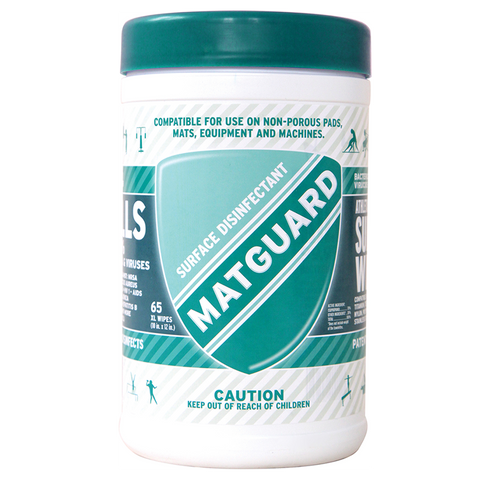
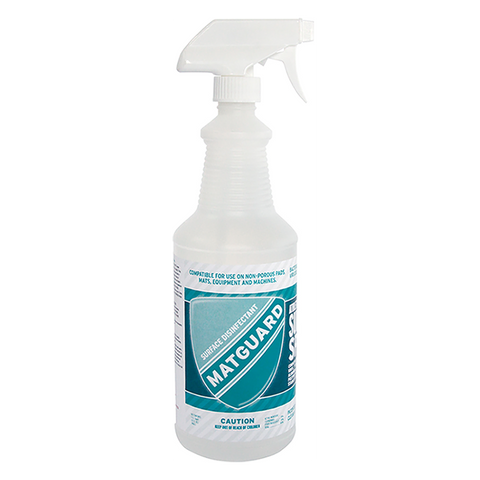
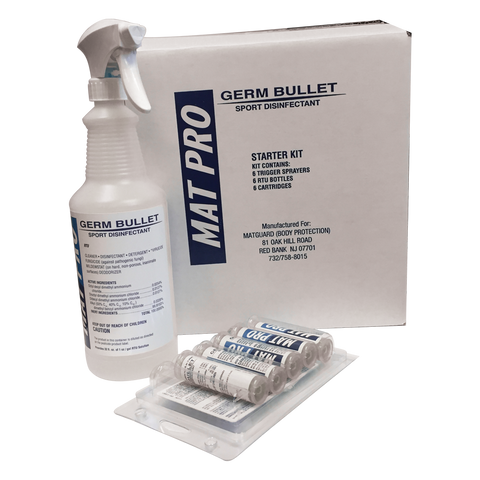
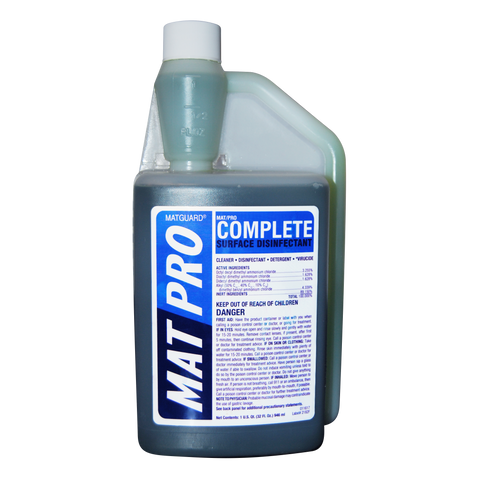
That is why a simple helmet cleaning routine matters. Matguard disinfectant sprays and disinfectant wipes give coaches, parents, schools, and athletic facilities an easy way to disinfect shared helmets between uses and keep equipment cleaner throughout the season.
Quick Answer: Can Helmets Spread Skin Infections?
Helmets can become contaminated with bacteria, fungi, and other microorganisms from sweat, skin contact, dirt, and repeated handling.
Shared helmets may increase the chance that germs transfer from one player to another, especially when helmets are used back-to-back without cleaning.
Regular cleaning and disinfecting helps reduce contamination and keeps athletic equipment more hygienic.
For shared helmets, disinfect after use whenever possible. Matguard disinfectant spray and Matguard disinfectant wipes are practical options for cleaning helmets used by multiple athletes.
How Do Helmets Become Contaminated?
Sweat
Sweat builds up quickly inside helmet padding. During hot practices, long games, and tournament weekends, the inside of a helmet can stay damp for hours.
Skin Cells
Helmets sit directly against the head, forehead, ears, and sometimes the chin area. Skin cells naturally transfer onto the padding and straps during use.
Dirt and Dust
Dirt, dust, clay, grass, and field debris can collect on the shell, vents, straps, and padding. Outdoor sports make this buildup even more common.
Hair Products
Gel, spray, oils, and other hair products can transfer from athletes onto the inside of the helmet. Over time, this can make padding feel sticky or greasy.
Oils From Skin
Natural skin oils collect on the parts of the helmet that touch the forehead, ears, and chin. These areas should be cleaned often because they get repeated direct contact.
Hands Touching the Helmet
Athletes constantly adjust helmets. They grab the brim, shell, face guard, chin strap, and ear guards before, during, and after play.
All of this builds up over repeated practices and games. The more often a helmet is used, especially by different athletes, the more important regular cleaning becomes.
What Types of Helmets Are Shared Most Often?
Shared helmets show up in many sports and athletic settings.
Common examples include:
-
Batting helmets
-
Football helmets
-
Hockey helmets
-
Lacrosse helmets
-
Rental helmets
-
Batting cage helmets
-
School athletic equipment
Shared helmets are not automatically unsafe, but they do need a cleaning plan. When a helmet is used by multiple athletes, it should be disinfected more often than a helmet used by one player.
Can Skin Infections Live on Helmet Surfaces?
Some microorganisms can survive on surfaces, especially when moisture is present. Helmet padding can create warm, damp conditions when sweat is not allowed to dry fully.
That does not mean every helmet will spread infection. It means shared, sweaty, poorly cleaned equipment can increase exposure opportunities.
Interior padding, chin straps, ear padding, and face guards deserve extra attention because they touch the body or are handled often.
Proper disinfecting helps reduce contamination and supports a cleaner athletic environment without needing to overcomplicate the routine.
Factors That Increase the Risk
Sharing Equipment Frequently
The more athletes use the same helmet, the more chances there are for sweat, skin oils, and germs to transfer.
Not Cleaning Between Players
When helmets are passed from player to player without being wiped or disinfected, buildup can happen quickly.
Damp Padding
Moisture inside padding can make helmets smell bad and feel uncomfortable. Damp conditions can also make it easier for contamination to persist.
Poor Equipment Storage
Throwing damp helmets into bags, bins, lockers, or equipment rooms can trap moisture and odors.
Long Tournament Weekends
Multiple games in a short period can mean repeated helmet use with little time for drying or cleaning.
Hot Weather
Heat increases sweat. More sweat means more moisture inside the helmet, especially during summer baseball, football camp, lacrosse tournaments, and outdoor practices.
Signs a Helmet Needs Cleaning
A helmet should be cleaned if you notice:
-
Visible dirt
-
Sweat stains
-
Odor
-
Sticky padding
-
Damp interior
-
Multiple players using the same helmet
Do not wait until a helmet smells terrible before cleaning it. By that point, buildup has already been sitting inside the padding for too long.
How to Reduce the Risk of Skin Infections
Clean Helmets Regularly
Helmets should be cleaned as part of the normal equipment routine, not only at the end of the season.
Wipe down the exterior shell, brim, face guard, chin strap, and interior padding. Focus on areas that touch the athlete’s skin or are handled often.
Disinfect Shared Helmets
Shared helmets should be disinfected after use whenever possible.
Matguard disinfectant spray is useful for covering high-contact helmet areas as part of a deeper cleaning routine. Matguard disinfectant wipes are helpful for quick cleaning between athletes, practices, or games.
Always follow product directions, including contact time instructions.
Allow Helmets to Dry
Drying matters. A helmet that stays damp inside a closed bag or bin can quickly develop odor and buildup.
After cleaning, place helmets in a well-ventilated area and allow the padding to air dry completely.
Avoid Sharing When Possible
If athletes can use their own helmets, that is ideal. Individual helmets reduce the amount of shared contact.
When sharing is unavoidable, cleaning and disinfecting should be more consistent.
Store Equipment Properly
Store helmets in a cool, dry place. Avoid stuffing damp helmets into crowded bags, lockers, or sealed containers.
Good storage helps reduce moisture, odor, and grime between uses.
How Coaches Can Protect Their Teams
Coaches can make helmet hygiene easier by building it into the team routine.
Create a daily cleaning process for shared helmets. Have athletes wipe down helmets after practice. Set clear rules for which helmets are clean and which need to be disinfected.
Inspect helmets often for cracks, loose padding, broken straps, or heavy buildup. Cleaning is important, but damaged helmets should not be ignored.
Keep Matguard disinfectant wipes available in the dugout, locker room, equipment room, or training area so quick wipe-downs actually happen.
What Parents Can Do
Parents can help by checking helmets regularly at home.
Wipe helmets after games and practices, especially around the padding, chin strap, brim, and ear areas. Let the helmet dry before putting it back into a sports bag.
If the helmet has removable liners, follow the manufacturer’s care instructions for washing them.
Parents should also encourage athletes not to share towels, hats, helmets, or personal gear when avoidable. Good personal hygiene supports better equipment hygiene.
What Athletic Facilities Should Do
Batting cages, indoor training centers, schools, and recreation centers often deal with shared helmets every day.
These facilities should have a clear cleaning schedule and a system for rotating helmets between use. Used helmets should not be mixed with cleaned helmets.
Make disinfectant wipes easy for staff and athletes to access. Train staff on when helmets should be cleaned, where cleaned helmets should be stored, and how to identify equipment that needs inspection.
For higher-traffic facilities, helmets may need to be cleaned multiple times per day.
Common Mistakes
Only Cleaning the Outside
The outside shell matters, but the inside padding usually collects the most sweat and skin contact.
Putting Damp Helmets Into Equipment Bags
Damp helmets need air. Putting them straight into a closed bag traps moisture and can lead to odor.
Forgetting Chin Straps
Chin straps are touched often and sit close to the face. They should be cleaned regularly.
Waiting Until Helmets Smell
Odor is a sign that buildup has already been sitting for a while. Clean helmets before they smell bad.
Assuming Shared Helmets Are Already Clean
If a helmet is shared, do not assume someone else cleaned it. Teams and facilities need a clear cleaning process.
Why Consistent Helmet Cleaning Matters
Consistent helmet cleaning supports better equipment hygiene and creates a better experience for athletes.
Clean helmets smell fresher, feel better, and look better throughout the season. Players are more confident using equipment that does not feel sticky, damp, or neglected.
For coaches, schools, and facilities, regular cleaning also makes long-term maintenance easier. Instead of dealing with heavy buildup at the end of the season, small wipe-downs and routine disinfecting keep the process manageable.
Matguard disinfectant sprays and wipes help make that routine simple enough to actually follow.
Frequently Asked Questions
Can bacteria live inside a helmet?
Yes, helmet interiors can collect sweat, skin cells, oils, and other buildup. Regular cleaning and disinfecting helps reduce contamination inside the helmet.
Should helmets be disinfected after every game?
Shared helmets should be disinfected after use whenever possible. Individual helmets should be wiped down after games and practices and cleaned more thoroughly on a regular schedule.
Are shared batting helmets safe?
Shared batting helmets are common, but they should be cleaned and disinfected often. Matguard disinfectant wipes are useful for wiping shared helmets between players.
Can sweat spread skin infections?
Sweat itself is not usually the main issue. The concern is that sweat, skin contact, moisture, and contaminated surfaces can create more opportunities for germs to transfer.
How often should coaches clean team helmets?
Team helmets should be cleaned routinely and disinfected after shared use whenever possible. During tournaments, camps, and busy practice weeks, cleaning should happen more frequently.
What is the best way to disinfect helmet padding?
Use a disinfectant product appropriate for athletic equipment surfaces, follow label directions, and avoid oversaturating the padding. Matguard disinfectant spray or disinfectant wipes can be used on high-contact areas as directed.
Can disinfectant wipes be used on helmets?
Yes, disinfectant wipes are a practical option for quick helmet cleaning, especially for shared helmets. Matguard disinfectant wipes can help coaches, parents, and facilities clean high-touch areas quickly.
Should helmets be cleaned before storing them?
Yes. Helmets should be cleaned and allowed to air dry before storage. Storing damp or dirty helmets can lead to odor and buildup.
Conclusion
Helmets can collect sweat, dirt, skin oils, hair products, and microorganisms over time, especially when they are shared by multiple athletes.
Helmets do not cause skin infections on their own. But poorly cleaned shared equipment can increase contamination and create more opportunities for germs to spread.
A simple routine makes a big difference: clean helmets regularly, disinfect shared helmets, let them dry completely, and store them properly.
Matguard disinfectant sprays and disinfectant wipes make it easy for players, coaches, schools, and athletic facilities to keep helmets cleaner throughout the season.
Explore Matguard disinfectant products to support a cleaner athletic equipment routine for your team, school, or facility.