

Athletic Facility High-Touch Surfaces
Athletes touch the same surfaces over and over throughout practices, games, workouts, and training sessions.
Dumbbells, helmets, benches, locker handles, treatment tables, water fountains, and shared sports equipment all collect sweat, dirt, skin oils, and repeated hand contact throughout the day.
No cleaning program can eliminate every germ from an athletic facility. Still, regularly cleaning and disinfecting high-touch surfaces can help reduce contamination and support a cleaner, healthier environment for athletes, coaches, trainers, and staff.
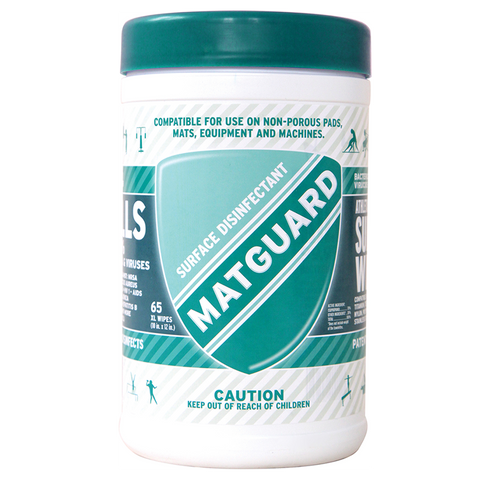
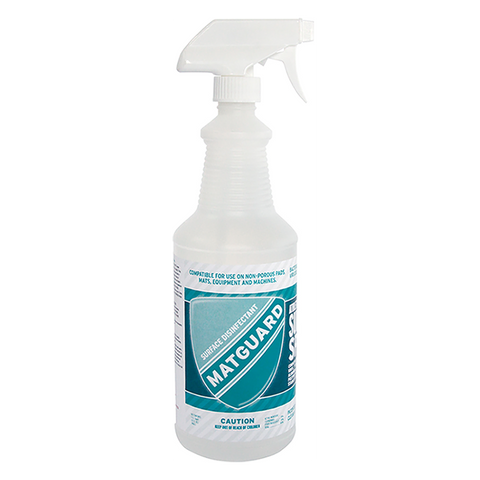
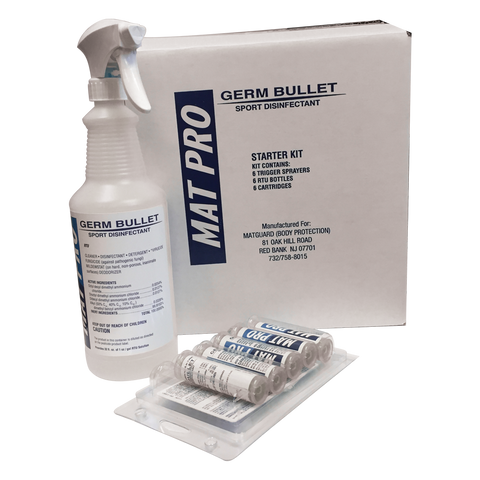
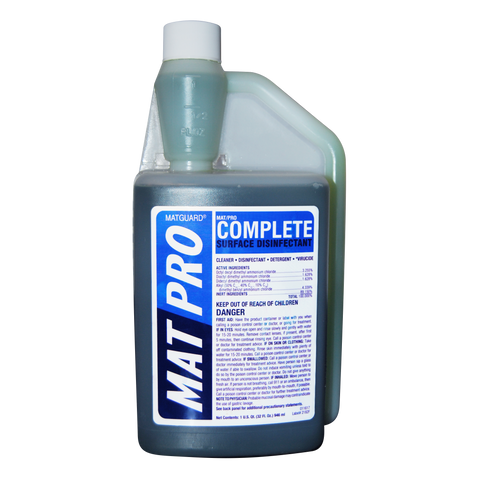
Matguard disinfectant sprays and Matguard disinfectant wipes make it easier to disinfect frequently touched athletic surfaces as part of a daily cleaning routine.
Quick Answer: What Are High-Touch Surfaces in Athletic Facilities?
High-touch surfaces are pieces of equipment and facility areas that are handled frequently by athletes, coaches, trainers, staff, or visitors.
These surfaces often collect the most contamination because they are touched repeatedly throughout the day. Shared equipment should be a top cleaning priority, especially when several athletes use the same item during one practice or workout.
Athletic facilities should:
-
Clean high-touch surfaces daily
-
Disinfect shared equipment between groups when possible
-
Increase cleaning during tournaments, camps, and busy seasons
-
Follow disinfectant product directions and contact times
-
Use a consistent schedule instead of waiting until equipment looks dirty
A surface can look clean and still need attention. Consistency matters more than appearance alone.
Why High-Touch Surfaces Matter
Constant Player Contact
Athletes constantly grab, lean on, adjust, carry, or share equipment.
A weight bench may be used by dozens of people in one day. A batting helmet may be passed between players. A locker room door handle may be touched hundreds of times.
The more contact a surface receives, the more often it should be cleaned.
Sweat and Skin Oils Build Up
Sweat and skin oils collect quickly on athletic equipment.
Handles, padding, benches, helmets, mats, straps, and workout machines can all become sticky or grimy over time. This buildup can make surfaces harder to clean and less pleasant to use.
Routine cleaning removes grime before it becomes a larger maintenance problem.
Shared Equipment Increases Contact
Shared equipment creates more opportunities for contamination to move from one user to another.
Examples include:
-
Helmets
-
Sports balls
-
Weight equipment
-
Training tools
-
Protective padding
-
Locker room benches
-
Rehab equipment
Shared items should be cleaned more often than equipment used by one person.
Busy Facilities Need More Frequent Cleaning
A small private training room may not need the same cleaning frequency as a school gym, tournament facility, recreation center, or commercial fitness center.
The more athletes and teams move through a space, the more often high-touch surfaces should be addressed.
The Most Common High-Touch Surfaces
Weight Room Equipment
Weight rooms contain some of the most frequently touched equipment in an athletic facility.
High-touch areas include:
-
Dumbbells
-
Barbells
-
Weight machine handles
-
Benches
-
Adjustable seat handles
-
Weight pins
-
Cable attachments
-
Rack handles
Athletes may use several pieces of equipment during one workout, which means these surfaces receive constant hand and body contact.
Matguard disinfectant wipes are useful for quick cleaning between users, while Matguard disinfectant spray can be used as part of a more complete facility cleaning routine.
Cardio Equipment
Cardio machines are touched continuously during use.
Important surfaces include:
-
Treadmill handles
-
Bike handlebars
-
Rowing machine grips
-
Elliptical handles
-
Display screens
-
Buttons
-
Adjustment controls
These areas should be wiped regularly, especially in busy school gyms and fitness facilities.
Athletic Training Areas
Athletic training rooms often serve many athletes throughout the day.
High-touch areas include:
-
Treatment tables
-
Rehab equipment
-
Stretching tools
-
Foam rollers
-
Resistance bands
-
Therapy balls
-
Countertops
-
Equipment handles
Treatment tables and rehab tools should be cleaned between athletes whenever possible.
Locker Rooms
Locker rooms combine high traffic, moisture, and frequent contact.
Common high-touch surfaces include:
-
Locker handles
-
Benches
-
Door handles
-
Light switches
-
Shower handles
-
Sink faucets
-
Bathroom fixtures
-
Towel dispensers
These areas should be part of a daily cleaning schedule, with more frequent attention during tournaments, camps, and multi-team events.
Wrestling Rooms
Wrestling rooms require consistent surface cleaning because athletes have direct contact with mats and wall padding.
High-touch surfaces include:
-
Wrestling mats
-
Wall padding
-
Mop handles
-
Mat carts
-
Cleaning equipment
-
Door handles
-
Storage areas
Mat surfaces should be cleaned according to a regular schedule and between sessions when appropriate.
Team Equipment
Team equipment is often shared by many athletes.
Common examples include:
-
Batting helmets
-
Football helmets
-
Shoulder pads
-
Blocking pads
-
Tackling dummies
-
Catcher’s gear
-
Protective padding
-
Shared gloves
Pay special attention to handles, straps, interior padding, chin areas, and surfaces that touch the body.
Shared Sports Equipment
Sports balls and training tools are handled constantly.
High-touch items include:
-
Basketballs
-
Footballs
-
Volleyballs
-
Soccer balls
-
Lacrosse balls
-
Medicine balls
-
Training cones
-
Agility equipment
The right cleaning method depends on the material, so always follow manufacturer and disinfectant product directions.
Facility Touch Points
Some of the most frequently touched surfaces are not athletic equipment at all.
These include:
-
Entry doors
-
Handrails
-
Water fountains
-
Score tables
-
Check-in counters
-
Equipment carts
-
Vending machine buttons
-
Elevator buttons
-
Shared pens
These areas are easy to overlook because they are part of the building rather than the workout space.
Areas That Are Often Forgotten
Equipment Bags
Equipment bags collect sweat, dirt, grass, mud, and grime from the gear stored inside them.
They should be emptied, wiped down, disinfected when appropriate, and allowed to dry.
Chin Straps
Chin straps touch the face and are frequently handled.
They should be included in regular helmet cleaning rather than ignored.
Helmet Padding
Helmet interiors collect sweat, skin oils, and hair products.
Cleaning only the outside shell leaves one of the highest-contact areas untouched.
Ball Carts
Players and coaches repeatedly grab ball cart handles and frames.
These surfaces should be included in daily cleaning.
Storage Shelves
Shelves collect dust and contamination from equipment placed on them.
Cleaning gear but returning it to a dirty shelf defeats part of the purpose.
Shared Clipboards
Coaches, trainers, athletes, and officials may all touch the same clipboards during practices and games.
They are easy to forget but simple to wipe down.
Training Room Counters
Training room counters often hold tape, tools, bottles, paperwork, and equipment.
They should be disinfected regularly, especially when multiple athletes move through the space.
Coach Communication Equipment
Whistles, radios, tablets, and shared headsets are touched frequently and may be held close to the face.
These items should be cleaned according to manufacturer instructions.
How Often Should High-Touch Surfaces Be Cleaned?
Daily Cleaning
High-touch facility surfaces should be cleaned at least daily in most active athletic environments.
This includes door handles, benches, machine handles, counters, locker areas, and shared equipment.
Between Team Sessions
When several teams use the same space, shared equipment should be cleaned between groups whenever practical.
This is especially important for:
-
Training rooms
-
Weight rooms
-
Wrestling rooms
-
Batting cages
-
Shared locker rooms
After Practices
Equipment that collects sweat or direct body contact should be cleaned after practice.
This includes helmets, mats, pads, treatment tables, and workout equipment.
After Games
Game equipment should be wiped down and allowed to dry before storage.
Do not place damp, sweaty equipment directly into bags, bins, or equipment rooms.
During Camps and Tournaments
Camps and tournaments bring heavier traffic and repeated equipment use.
Cleaning may need to happen several times per day, particularly for shared helmets, locker rooms, treatment tables, and training equipment.
The right frequency depends on facility traffic, the number of users, and how often equipment is shared.
Building an Effective Cleaning Routine
Identify High-Traffic Areas
Walk through the facility and identify what people touch most often.
Look beyond obvious equipment. Include doors, handrails, carts, counters, storage areas, tablets, and locker room surfaces.
Assign Cleaning Responsibilities
A cleaning plan only works when everyone knows who is responsible.
Assign tasks to staff, coaches, facility managers, equipment personnel, or athletes where appropriate.
Avoid vague instructions like “someone should wipe this down.” Make responsibilities specific.
Keep Cleaning Supplies Accessible
Cleaning is more likely to happen when supplies are nearby.
Keep Matguard disinfectant spray and Matguard disinfectant wipes in practical locations such as:
-
Weight rooms
-
Equipment rooms
-
Locker rooms
-
Training areas
-
Dugouts
-
Mat rooms
-
Front desks
Supplies should be easy for staff to access without creating clutter or safety problems.
Follow Product Contact Times
Disinfectants need time to work.
Follow the product label for application instructions, surface compatibility, and required contact time. Wiping a product away too quickly may reduce its effectiveness.
Document Cleaning Schedules
Schools, gyms, and athletic facilities can use a simple checklist to track what was cleaned, when it was cleaned, and who completed the task.
Documentation helps prevent missed areas and keeps the routine consistent.
Common Cleaning Mistakes
Waiting Until Equipment Looks Dirty
Visible dirt is not the only reason to clean.
A surface can look fine and still receive heavy hand, sweat, or body contact throughout the day.
Only Cleaning Visible Dirt
Removing visible grime is important, but cleaning should also include disinfecting high-touch surfaces when appropriate.
Cleaning and disinfecting are related but not identical steps.
Forgetting Shared Equipment
Teams often focus on floors, benches, and locker rooms but forget balls, helmets, pads, carts, and training tools.
Shared equipment should be part of the routine.
Ignoring Storage Areas
Clean equipment can become dirty again if it is placed on dusty shelves, damp floors, or contaminated carts.
Storage areas need regular attention too.
Using the Wrong Cleaning Products
Not every cleaner is suitable for every surface.
Harsh chemicals may damage padding, finishes, electronics, rubber, leather, or protective materials. Follow equipment manufacturer guidance and disinfectant label directions.
Skipping Contact Time
Applying disinfectant and wiping it away immediately is a common mistake.
Allow the product to remain on the surface for the required contact time.
Tips for Schools, Gyms, and Athletic Facilities
Use daily cleaning checklists that clearly identify high-touch areas.
Train staff on:
-
Which surfaces need frequent cleaning
-
Which products to use
-
How much product to apply
-
Required contact times
-
How to store cleaning supplies
Create clear policies for shared equipment. Athletes should know when they are expected to wipe down equipment after use.
Before and after tournaments, camps, and large events, schedule additional cleaning for locker rooms, benches, mats, training rooms, and shared gear.
Check disinfectant supplies regularly. Empty spray bottles and wipe containers make a cleaning plan useless.
Encourage athletes to participate in basic equipment care, but do not rely on them as the only cleaning system.
Why Consistency Is More Important Than Deep Cleaning
A facility should not wait for one major deep cleaning to address weeks of buildup.
Small daily habits are easier to manage and more effective over time.
Consistent cleaning helps:
-
Reduce grime and contamination
-
Keep equipment looking better
-
Make surfaces easier to maintain
-
Extend the appearance and useful life of equipment
-
Simplify seasonal deep cleaning
-
Create a cleaner experience for athletes and visitors
Deep cleaning still has a place, but it should support the daily routine rather than replace it.
Frequently Asked Questions
What Are High-Touch Surfaces in a Gym?
High-touch gym surfaces include dumbbells, barbells, machine handles, benches, cardio controls, door handles, lockers, water fountains, and shared training equipment.
How Often Should Shared Sports Equipment Be Disinfected?
Shared equipment should be disinfected after use or between groups whenever practical. At minimum, it should be part of the facility’s daily cleaning routine.
Which Athletic Equipment Gets Touched the Most?
Weight handles, benches, helmets, balls, pads, treatment tables, locker handles, and training tools often receive the most contact.
Should Balls and Helmets Be Disinfected?
Yes, shared balls and helmets should be cleaned and disinfected when the materials and manufacturer instructions allow it. Focus on high-contact areas and follow product directions.
Do Locker Rooms Require More Frequent Cleaning?
Locker rooms often need frequent cleaning because they combine heavy traffic, moisture, shared surfaces, and direct skin contact.
What Is the Best Way to Disinfect Athletic Equipment?
Remove visible dirt first, apply an appropriate disinfectant, follow the required contact time, and allow the equipment to dry. Matguard disinfectant spray and wipes offer practical options for many high-touch athletic surfaces.
Should Athletic Facilities Have a Cleaning Schedule?
Yes. A written cleaning schedule helps staff stay consistent, assign responsibility, track completed tasks, and avoid forgotten surfaces.
Can Disinfectant Wipes Be Used on Sports Equipment?
Disinfectant wipes can be used on many sports equipment surfaces when the product and equipment manufacturer allow it. Matguard disinfectant wipes are convenient for quick cleaning of frequently touched areas.
Conclusion
Every athletic facility has high-touch surfaces that collect sweat, dirt, skin oils, and repeated hand contact throughout the day.
Weight equipment, helmets, locker room surfaces, training tools, sports balls, doors, benches, and facility touch points all need consistent attention.
A practical daily cleaning routine helps reduce contamination, keeps equipment looking its best, and supports a cleaner environment for athletes, coaches, trainers, staff, and visitors.
Matguard disinfectant sprays and Matguard disinfectant wipes make it easier to disinfect high-touch athletic surfaces as part of a regular maintenance program.
Explore Matguard’s disinfectant products for athletic facilities and sports equipment to build a cleaning routine your staff can follow every day.
Meta Description
Learn which high-touch surfaces in athletic facilities need frequent cleaning and how to disinfect shared equipment with a consistent routine.
URL Slug
/athletic-facility-high-touch-surfaces